

There’s something undeniably magical about a perfectly grilled chicken-the crispy, charred exterior giving way to juicy, tender meat that melts in your mouth. But achieving this culinary feat is far more than mere luck or intuition; it’s a harmonious blend of artistry and science. Behind every flawless bite lies a deep understanding of heat dynamics, marination chemistry, and precise timing. In this article, we’ll unravel the secrets hidden in smoke and flame, revealing how mastering the science behind grilling can transform your chicken from ordinary to extraordinary. Prepare to elevate your BBQ game and impress every palate with a mastery that goes beyond the grill.
Mastering the Art: The Science Behind Perfectly Grilled Chicken reveals the transformative magic when chemistry meets culinary craftsmanship. The golden crust, juicy interior, and intoxicating aroma all hinge on understanding the Maillard reaction-a complex dance of amino acids and sugars creating incredible flavors and deep browns that captivate the senses. This knowledge guides each marinade choice, heat adjustment, and timing decision, ensuring every bite bursts with savory richness and balanced tenderness.
Prep and Cook Time
Preparation: 20 minutes | Marination: 2-6 hours | Grilling: 15-20 minutes
Yield
Serves 4
Difficulty Level
Medium
Ingredients
- 4 boneless, skin-on chicken thighs (about 6 ounces each)
- 1/4 cup olive oil
- 3 tablespoons soy sauce (for umami depth)
- 2 tablespoons honey (to amplify caramelization)
- 1 tablespoon apple cider vinegar (for tenderizing acid)
- 3 garlic cloves, minced
- 1 teaspoon smoked paprika
- 1 teaspoon freshly ground black pepper
- 1 teaspoon salt
- 1 teaspoon dried oregano
- Optional Rub: 1 tablespoon brown sugar (for extra crust)
Instructions
- Prepare the marinade: In a bowl, whisk together olive oil, soy sauce, honey, apple cider vinegar, minced garlic, smoked paprika, salt, pepper, oregano, and brown sugar if using. This balanced marinade infuses flavor and promotes Maillard browning through its sugars and acids.
- Marinate the chicken: Place the chicken thighs in a resealable bag or shallow dish. Pour the marinade over the chicken, ensuring even coating. Refrigerate for 2 to 6 hours-longer marination allows the acids and enzymes to tenderize the meat deeply without breaking down proteins excessively.
- Preheat the grill: Heat your grill to medium-high heat (about 375°F to 400°F). Clean and oil the grates to prevent sticking and assist in flame contact for an even sear.
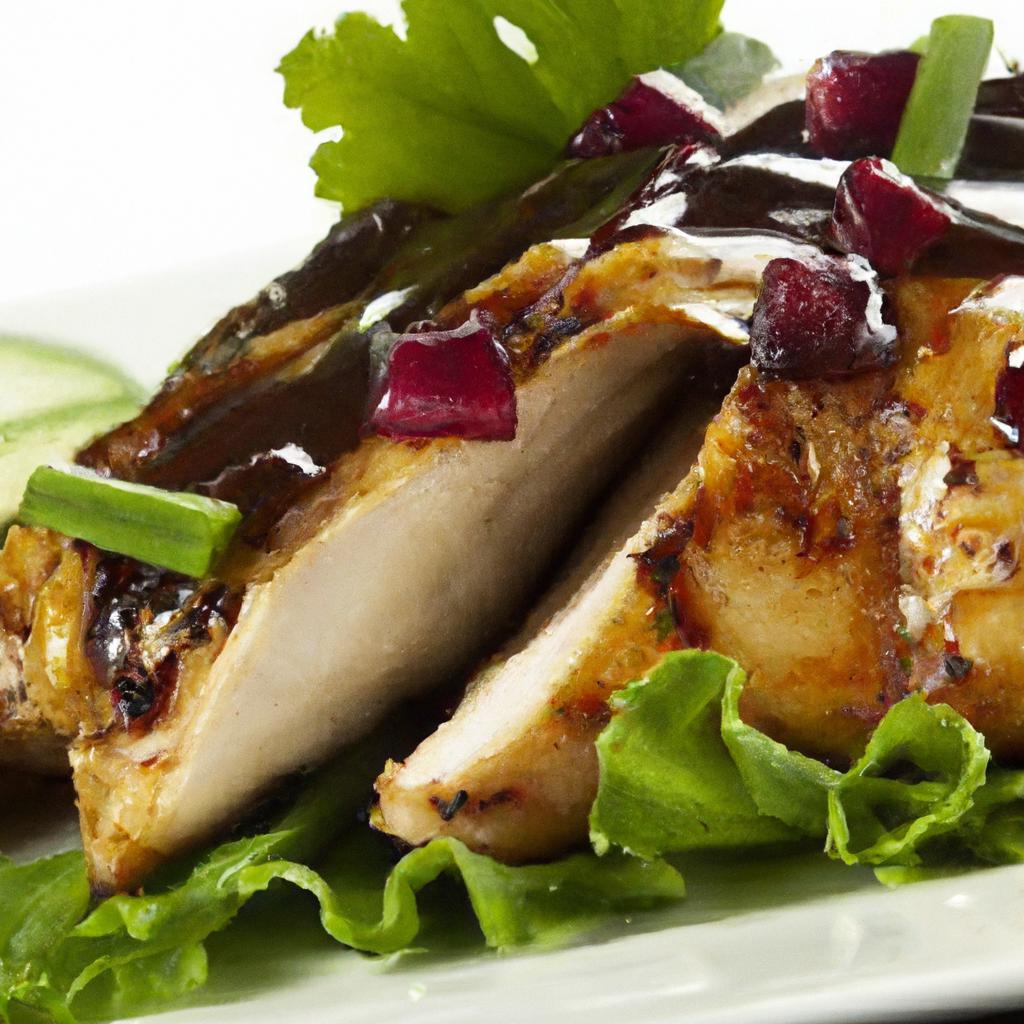
- Grill the chicken: Remove chicken from marinade, letting excess drip off. Place skin-side down on the grill. Cook for roughly 6-8 minutes without moving-this patience helps develop a crisp, caramelized crust via the Maillard reaction.
- Flip and finish: Turn the chicken over and grill an additional 7-10 minutes, allowing the internal temperature to reach 165°F (75°C). Use a meat thermometer to prevent overcooking and dryness. If flare-ups occur, move chicken to indirect heat briefly, then return to direct heat for finishing.
- Rest the chicken: Remove from grill and tent loosely with foil. Rest for 5 minutes to allow juices to redistribute for juicy, tender bites.
Tips for Success
- Use skin-on thighs for optimal moisture, as the skin insulates meat during grilling and crisps wonderfully thanks to rendered fat.
- For a smoky flavor boost, add wood chips soaked in water to charcoal or a smoker box. Hickory or applewood complement poultry beautifully.
- Do not over-flip. Allowing the chicken to sear uninterrupted maximizes the Maillard reaction’s flavorful crust development.
- If pressed for time, a quick 30-minute marinade still imparts good flavor but less tenderizing.
- Internal temperature is king-consistently check to avoid dryness or undercooking.
- Experiment with rubs containing cumin, coriander, or chili powder for exciting variations on your grilled chicken.
- Make-ahead: Marinate chicken overnight for even deeper savory infusion.
Serving Suggestions
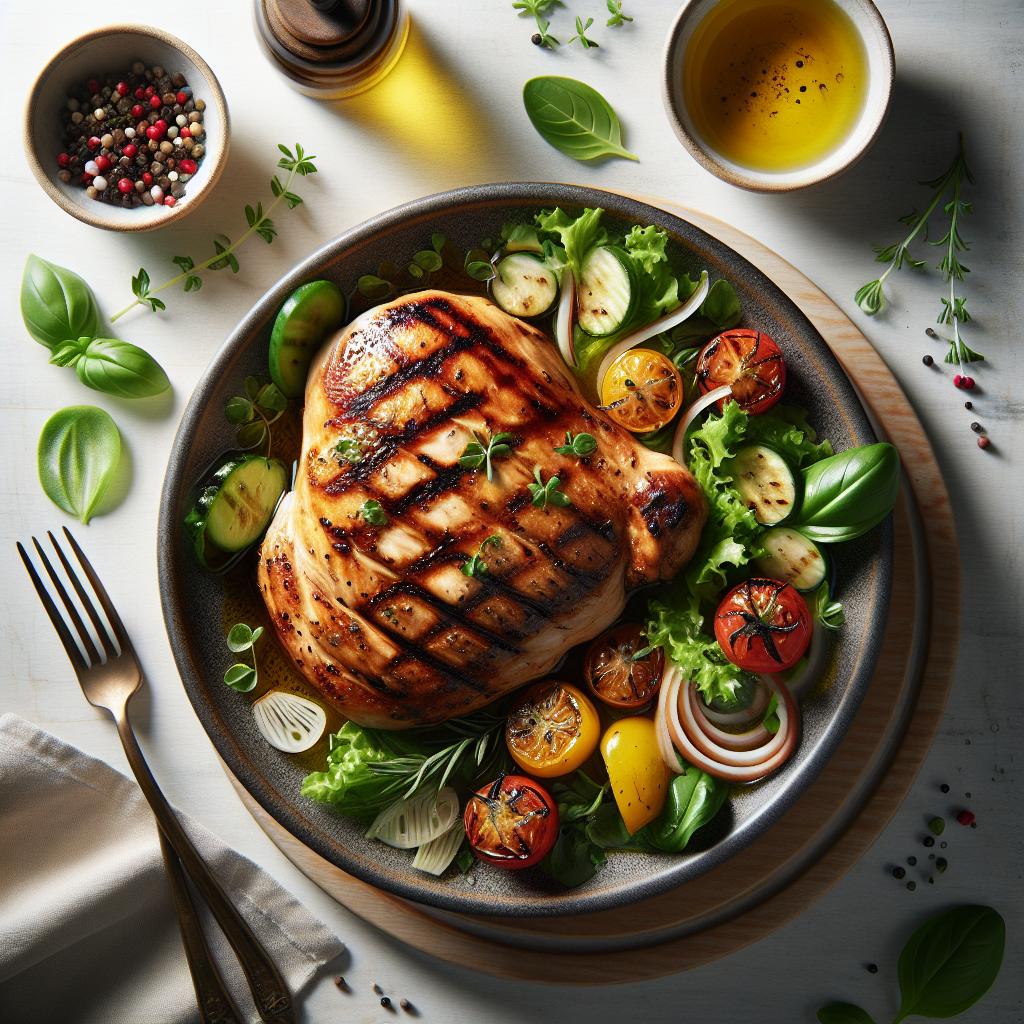
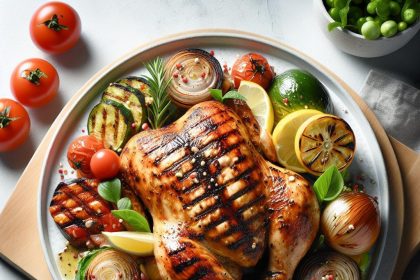
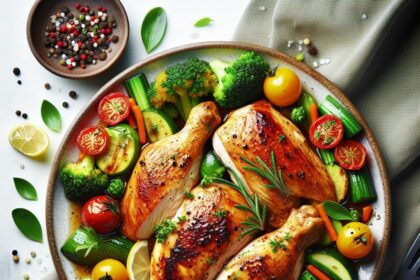
Present your perfectly grilled chicken nestled on a bed of fresh herb salad-think arugula, parsley, and mint-drizzled lightly with lemon vinaigrette. Complement with grilled vegetables like zucchini and bell peppers for a colorful, healthful plate. Garnish with a sprinkle of toasted sesame seeds and thinly sliced green onions to elevate visual appeal and add crunch. Serve alongside a chilled glass of dry white wine or a crisp cider to complete the meal.

| Nutrient | Per Serving |
|---|---|
| Calories | 320 |
| Protein | 28 g |
| Carbohydrates | 6 g |
| Fat | 18 g |
For more on grilling mastery and flavor science, visit Serious Eats’ guide to the Maillard reaction. Also, explore our Grilling Techniques for Chicken article for in-depth tips on perfect heat control and flavor layering.
Q&A
Q&A: Mastering the Art: The Science Behind Perfectly Grilled Chicken
Q1: What makes grilled chicken truly “perfect”?
A: Perfectly grilled chicken strikes a harmonious balance between a crispy, caramelized exterior and juicy, tender meat inside. Achieving this requires understanding heat control, marination, and timing-the trifecta that turns simple poultry into a culinary masterpiece.
Q2: How does marination affect the taste and texture of grilled chicken?
A: Marination is more than just flavor enhancement. Acids in marinades (like lemon juice or vinegar) break down muscle fibers, tenderizing the meat. Oils keep it moist, while herbs and spices infuse layers of taste. When done right, marinating can transform dry chicken into a juicy delight.
Q3: Why is temperature control crucial for grilling chicken?
A: Chicken is notorious for drying out if overcooked. Maintaining a medium heat ensures the outside crisps up without burning, while the inside cooks evenly. Using a meat thermometer to reach the safe internal temperature (165°F/74°C) prevents undercooking or dryness.
Q4: What role does the Maillard reaction play in grilled chicken?
A: The Maillard reaction is the magical browning that happens when proteins and sugars meet heat, creating complex flavors and that irresistible golden crust. It’s a key reason grilled chicken smells so delicious and tastes rich.
Q5: Can resting the chicken after grilling really make a difference?
A: Absolutely! Letting chicken rest for 5-10 minutes allows juices to redistribute within the meat, instead of spilling out when cut. This simple pause enriches tenderness and juiciness, elevating your grilled chicken to restaurant-quality status.
Q6: Are there any tricks to avoid flare-ups and burnt spots?
A: Yes! Flare-ups happen when fat drips onto flames, causing sudden bursts of heat. Trim excess fat, use a two-zone fire (one side hotter for searing, one cooler for finishing), and keep a spray bottle handy to tame flames without dousing your grill.
Q7: How important is the choice of chicken cut for grilling?
A: Very! Thighs and drumsticks are more forgiving due to higher fat content, staying juicy and flavorful. Breasts cook faster but demand careful attention to avoid dryness. Choosing the right cut matches your grilling skill and preferred texture.
Q8: What’s the best grilling technique to lock in moisture?
A: Start with a preheated grill and sear the chicken quickly over direct heat to lock surface juices, then move it to indirect heat to cook through gently. This two-step method ensures mouthwatering moisture without charring or toughness.
Q9: How can one infuse smoky flavors without overpowering the chicken?
A: Use moderate amounts of soaked wood chips or charcoal, and opt for milder smoke sources like applewood or cherrywood. Patience is key-slow, subtle smoke enhances rather than overwhelms, building depth layer by flavorful layer.
Q10: What’s the ultimate secret to mastering grilled chicken?
A: It’s a marriage of science and patience. Respect the chemistry of heat and proteins, trust your senses, and embrace the rhythm of prepping, grilling, and resting. With practice, each grilled chicken becomes less of a recipe and more of an art form-your signature masterpiece.
In Conclusion
As the flames die down and the tantalizing aroma of perfectly grilled chicken lingers in the air, it’s clear that mastering this culinary craft is as much a science as it is an art. Understanding the delicate balance of heat, timing, and seasoning transforms a simple meal into a mouthwatering masterpiece. By embracing the science behind the sizzle, you can confidently turn every grill session into a flavorful success story. So fire up your grill, trust the process, and savor the delicious harmony of technique and taste-because perfectly grilled chicken is not just cooked, it’s crafted.