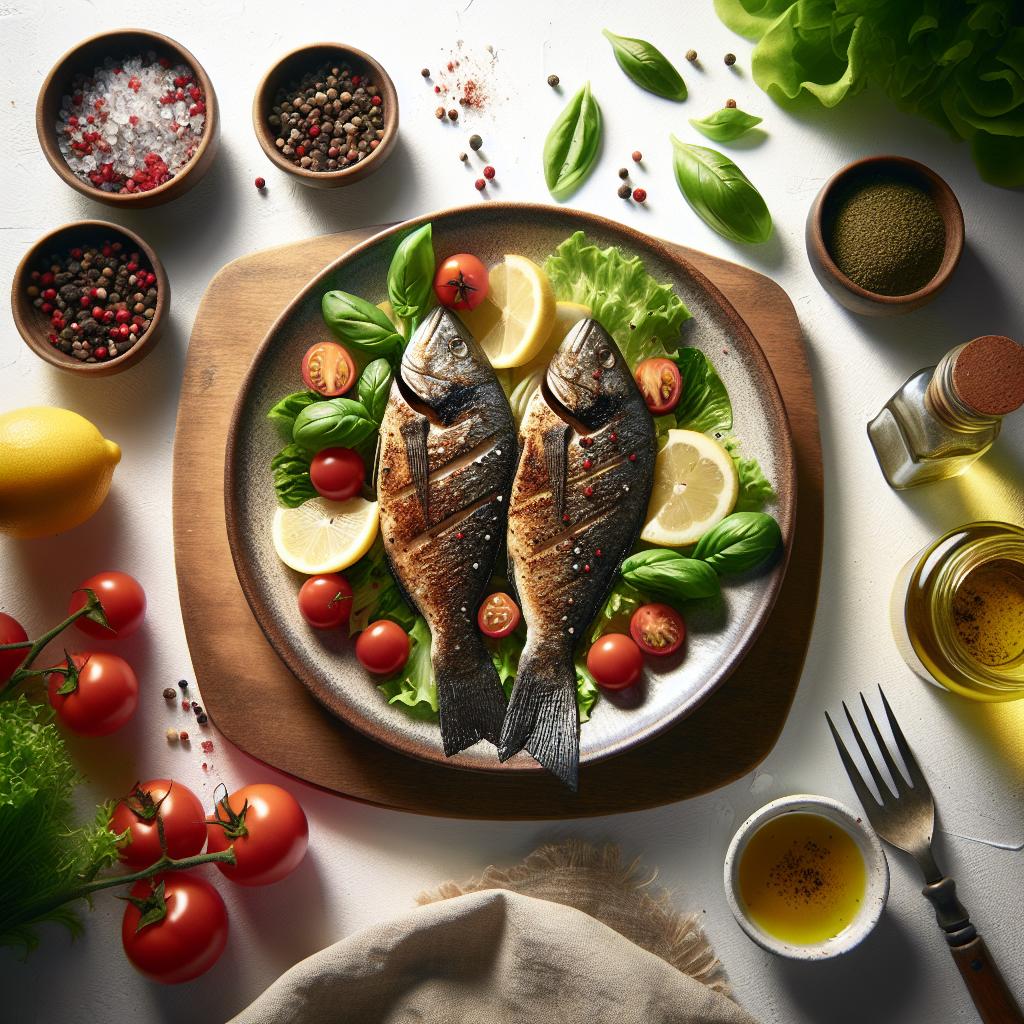

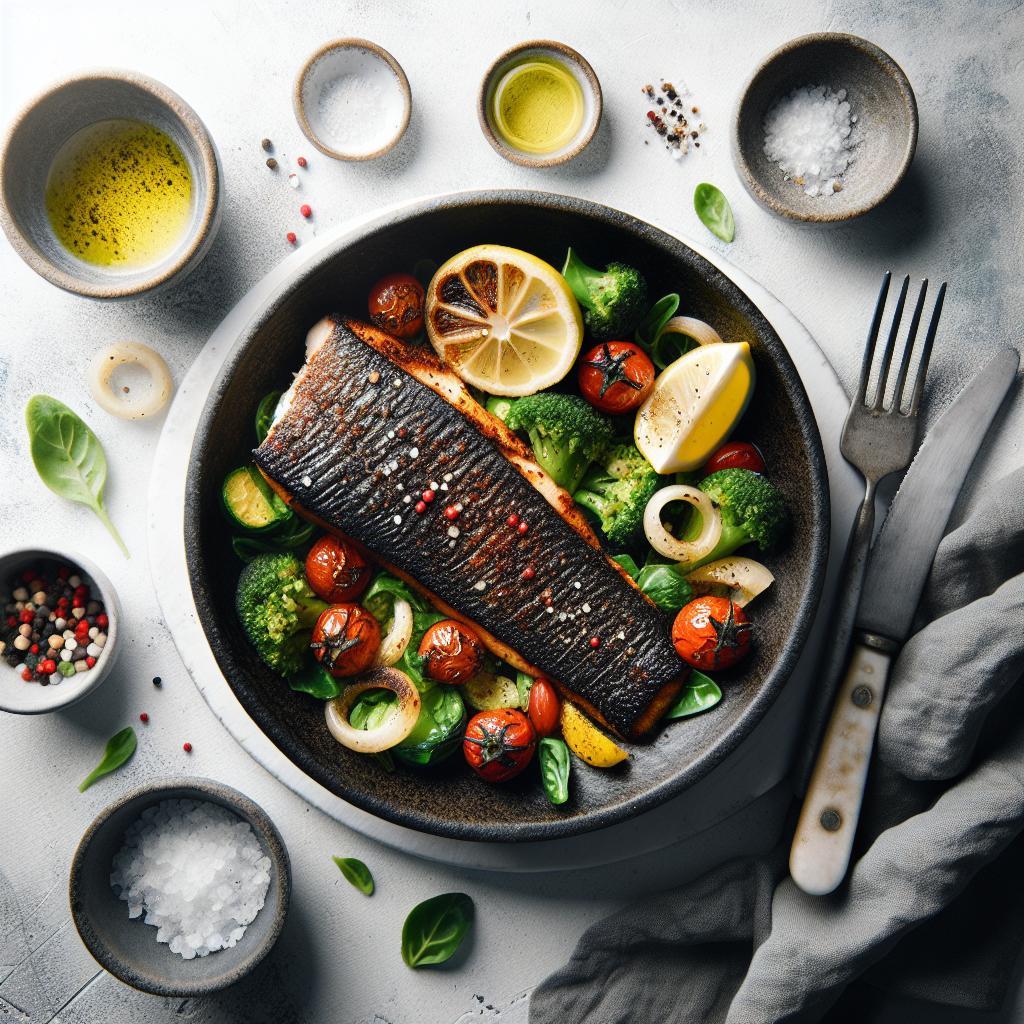

There’s a captivating alchemy happening when fish meets fiery cast iron, transforming simple fillets into a symphony of bold, smoky, and crisply charred flavors. Blackened fish isn’t just a dish-it’s a culinary ritual, a dance of heat and spice that elevates seafood to a new level of savory brilliance. But behind the irresistible crust lies a fascinating science waiting to be mastered. From understanding the chemistry of the Maillard reaction to perfecting the sear without sacrificing juiciness, mastering the science behind the perfect blackened fish unlocks a world where technique meets taste in harmonious balance. Join us as we dive deep into the flavors, textures, and techniques that turn a humble fish fillet into a masterpiece of blackened allure.
Mastering the Science Behind the Perfect Blackened Fish
Mastering the science behind the perfect blackened fish begins by understanding how precise spice blends, ideal fish selection, and controlled heat create a symphony of flavors and textures. This iconic Cajun-inspired dish combines a fiery crust with moist, flaky fish beneath, delivering a vibrant experience that excites the palate and satisfies the soul.
Prep and Cook Time
Preparation: 15 minutes | Cooking: 10 minutes | Total: 25 minutes
Yield
Serves 4
Difficulty Level
Medium – requires attentiveness to heat and seasoning balance
Ingredients
- 4 (6-ounce) fillets of firm white fish (e.g., black cod, red snapper, or mahi-mahi)
- 2 tablespoons paprika (smoked paprika preferred for depth)
- 1 tablespoon dried thyme
- 1 tablespoon dried oregano
- 1 tablespoon cayenne pepper (adjust to taste for heat)
- 1 teaspoon garlic powder
- 1 teaspoon onion powder
- 1 teaspoon black pepper, freshly ground
- 1 teaspoon salt
- 3 tablespoons unsalted butter, melted
- 2 tablespoons vegetable oil or clarified butter, for high-heat cooking
- Fresh lemon wedges, for serving
- Optional: chopped fresh parsley or green onions for garnish
Instructions
- Prepare the blackening spice blend: In a small bowl, combine paprika, thyme, oregano, cayenne pepper, garlic powder, onion powder, black pepper, and salt. Whisk until evenly mixed to unleash complex aromatic layers.
- Pat dry the fish fillets: Using paper towels, gently blot each fillet to remove excess moisture-this ensures a crisp, even sear.
- Coat the fish: Brush each fillet generously with melted butter, then generously press the blackening spice blend into all sides. Let the fillets rest for 5 minutes at room temperature to absorb the flavors.
- Preheat your skillet: Heat a heavy cast-iron or stainless-steel skillet over medium-high heat for about 3 minutes until it’s smoking hot. Add vegetable oil or clarified butter, swirling to coat evenly.
- Sear the fish: Place fillets in the skillet, cooking without moving for 3-4 minutes until the bottom forms a deep, charred crust. Flip carefully and cook the other side for an additional 3-4 minutes, depending on thickness, until the fish flakes easily with a fork.
- Rest and serve: Remove the fillets from heat and transfer them to a warm plate. Let rest for 2 minutes to allow juices to redistribute for optimal moistness.
Chef’s Notes
- Fish choice matters: Opt for firm, oily fish like black cod or mahi-mahi, which stand up well to the intense blackening spices and heat without falling apart.
- Heat control is key: Too high heat risks burning spices and drying the fish. Aim for a “smoking hot” pan but moderate flame to create a blackened crust without bitter char.
- Butter vs oil: Butter adds richness but burns quickly-clarified butter or vegetable oil stabilizes the searing temperature and flavor profile.
- Prep ahead: Spice blend can be made in bulk and stored airtight for up to 2 weeks, making this recipe quick and convenient.
- Adjusting spice heat: Control cayenne pepper levels to tailor the dish from warm and inviting to fiery and bold.
Serving Suggestions
Blackened fish shines alongside cool, creamy sides that balance its bold flavors. Consider serving with cilantro-lime rice, a crisp avocado and tomato salad, or a vibrant mango salsa. Drizzle with fresh lemon juice and sprinkle chopped parsley or green onions for brightness and a pop of color.
| Nutrient | Per Serving |
|---|---|
| Calories | 320 |
| Protein | 35g |
| Carbohydrates | 3g |
| Fat | 18g |

Deep Dive: How Spices and Heat Shape Flavor and Texture
The magic behind mastering the science behind the perfect blackened fish is understanding the Maillard reaction-the chemical browning between amino acids and sugars-that intensifies flavor complexity. The bold spices not only flavor the fish but, under high heat, transform into a crisp, charred crust. This creates contrast against the soft, juicy fish inside. Each spice contributes elements of earthiness, heat, and subtle herbal notes that layer beautifully.
Using thick, firm fish ensures texture integrity when high heat meets spice. Less dense fish risk falling apart, while oily fish retain moisture and flourish under charred seasoning. The pan must be hot enough to create that char quickly, sealing in juices without steaming the fish. Mastering this balance elevates the dish to restaurant-quality finesse.
For those craving further culinary explorations on spice blending and seafood pairings, check out our detailed Ultimate Seafood Spice Guide and visit ScienceDaily’s article on Maillard reaction in cooking for a fascinating scientific overview.
Q&A
Q&A: Mastering the Science Behind the Perfect Blackened Fish
Q1: What exactly is blackened fish, and why is it so popular?
A1: Blackened fish is a culinary technique where fish is coated with a bold blend of spices and then seared in a cast-iron skillet until the exterior forms a flavorful, charred crust. This method, popularized by Cajun cuisine, locks in moisture and infuses the fish with a smoky, spicy complexity that keeps taste buds dancing.
Q2: What’s the science behind that signature blackened crust?
A2: The magic lies in the Maillard reaction-a chemical reaction between amino acids and reducing sugars that occurs when food is cooked at high heat. This reaction is responsible for the deep browning and complex flavors. The spices, combined with the intense heat of the skillet, create that irresistible blackened layer.
Q3: Why is cast-iron the preferred pan for blackening?
A3: Cast-iron skillets retain and distribute heat evenly, reaching very high temperatures without warping. This intense, consistent heat is crucial to instantly sear the fish and lock in flavors. The pan’s seasoning also adds a subtle depth of flavor that enhances the crust.
Q4: Can any fish be blackened, or are certain types better?
A4: While many fish can be blackened, firm, white-fleshed fish like redfish, snapper, catfish, and mahi-mahi work best. Their texture holds up during the intense cooking process, and their mild flavors balance perfectly with spicy seasonings.
Q5: What role do spices play beyond just taste?
A5: Beyond flavor, the spices-typically paprika, cayenne, thyme, oregano, and garlic powder-contribute antioxidants and create a protective layer on the fish. This layer helps in caramelization and forms that signature crust while complementing the fish’s natural oils.
Q6: How do you prevent the fish from sticking to the pan?
A6: Preheating the cast-iron skillet until it’s smoking hot is key, as it creates a natural non-stick surface. Also, a light layer of oil with a high smoke point (like grapeseed or avocado oil) helps the fish release cleanly without compromising the crust.
Q7: What’s the ideal thickness for blackened fish fillets?
A7: Fillets about ¾ to 1 inch thick are ideal. Thinner pieces risk overcooking before the crust forms, while thicker fillets can remain underdone inside or take too long to cook through, causing the crust to burn.
Q8: How can home cooks replicate restaurant-quality blackened fish?
A8: Mastering blackened fish at home is about temperature control, spice balance, and timing. Use fresh, dry fish; coat evenly with spices; preheat your cast iron thoroughly; don’t crowd the pan; and cook the fish quickly on each side (usually 2-3 minutes). Practice makes perfect to get the crust dark yet not charred to bitterness.
Q9: Are there healthier twists to blackening fish without losing flavor?
A9: Absolutely! Use moderate amounts of spices to avoid excessive sodium, opt for heart-healthy oils, and pair the blackened fish with fresh vegetables or grains instead of heavy sauces. The technique itself is a great low-fat cooking method since there’s no deep-frying, just a hot skillet and a sizzle.
Q10: What’s the best way to serve blackened fish to celebrate its rich flavors?
A10: Serve your masterpiece over a bed of coconut rice, alongside a crisp slaw, or with a citrusy salsa to balance the heat. A squeeze of lime or a dollop of cooling yogurt sauce can elevate the smoky, spicy notes for a restaurant-worthy experience right at home.
In Summary
As you embark on your journey to master the science behind the perfect blackened fish, remember that this culinary art is a delicate dance of timing, temperature, and technique. Each spice, each sear, and every crackling crust tells a story of chemistry and tradition coming together on your plate. By embracing the science behind the sizzle, you’re not just cooking-you’re elevating a classic to a masterpiece. So, don your apron like a scientist’s lab coat, ignite your skillet with confidence, and let the alchemy of blackening transform ordinary fish into an extraordinary feast. The perfect blackened fish isn’t just a dish; it’s a delicious experiment worth savoring bite by bite.