

Savor the Flavor: The Art of Roasted Vegetable Medley
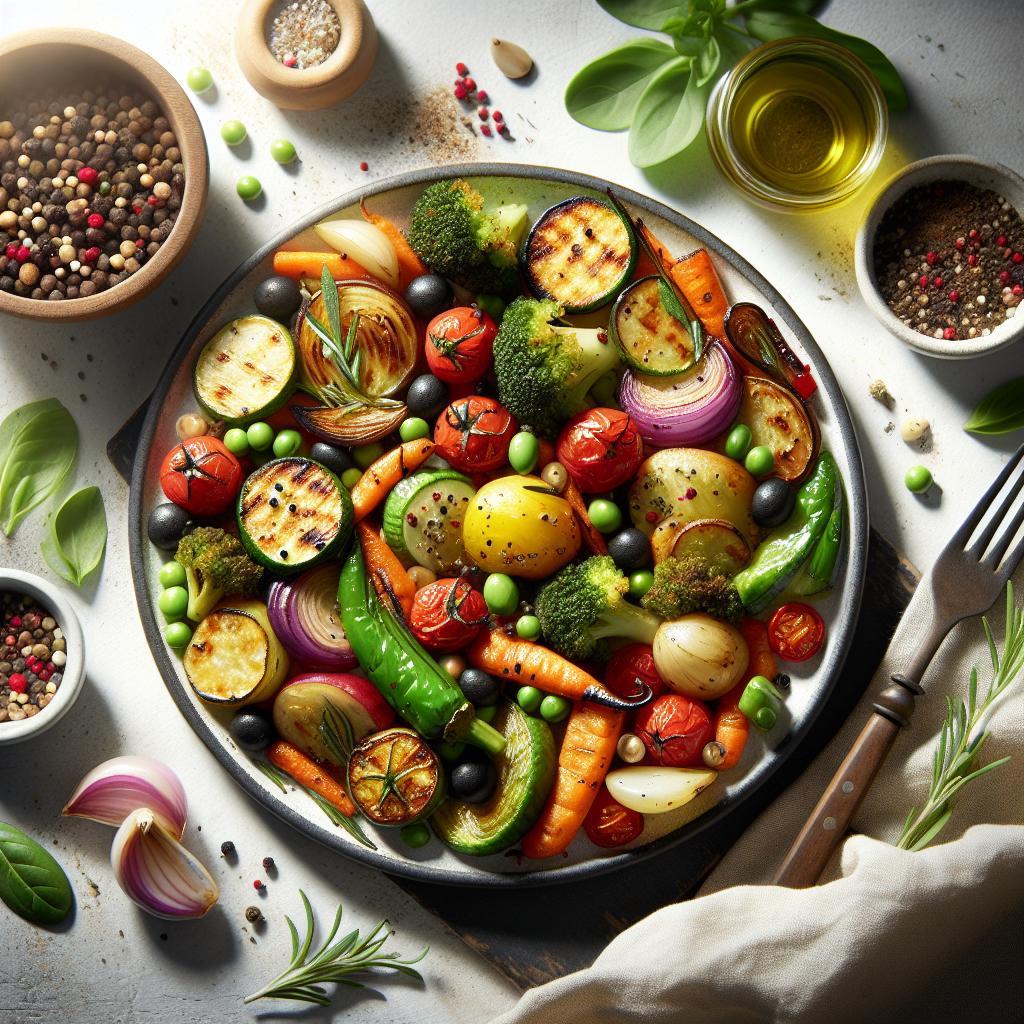
Roasted vegetables transform raw produce into concentrated, caramelized bites that lift any meal. Roasting boosts sugars, develops savory browning, and creates texture contrast that works across cuisines.
- High heat produces crisp edges and rich Maillard notes.
- Uniform cuts yield predictable cooking times and even browning.
- Season twice—before and after roasting for layered flavor.
- Avoid overcrowding so vegetables roast, not steam.
Why Roasted Vegetables Work
Roasting relies on dry heat to concentrate flavor and build a complex surface crust. The browning stems from the Maillard reaction, which forms savory, roasted notes when amino acids meet heat.
At the same time, sugar breakdown through caramelization deepens color and sweetness on sugar-rich vegetables. Controlling time and temperature lets you maximize both reactions without overcooking interiors.
Prep and Cook Time for Roasted Vegetables
Preparation: 15 minutes. Trim, peel when necessary, and cut items to consistent size to equalize roast times. Use a sharp knife or mandoline for reliable pieces.
Cooking: 30–40 minutes at 425°F (220°C) for most mixed medleys. Stir or turn every 10–15 minutes to promote even surface browning and prevent scorching.
Yield and Difficulty for Roasted Vegetables
Serves 4 as a side. The recipe scales, but larger volumes need batch roasting or multiple sheets for consistent results.
Difficulty: Easy. This method uses standard kitchen tools and a stable oven temperature; consult internal guides for troubleshooting when ovens run hot or cool.
Ingredients
Balance textures: include quick-roast items like zucchini and bell pepper and dense roots like sweet potato and carrots. Match cut size to density so all pieces finish together.
Sample list: 2 cups baby carrots, 1½ cups Brussels sprouts (halved), 1 large sweet potato (cubed), 1 red bell pepper (sliced), 1 medium zucchini (half-moons), 1 red onion (wedges), 4 tbsp extra-virgin olive oil, 3 cloves garlic (minced), 1 tsp smoked paprika, 1 tsp dried thyme, 1 tsp kosher salt, ½ tsp black pepper, 1 tbsp balsamic vinegar (optional), fresh parsley to garnish.
Instructions
Preheat the oven to 425°F (220°C). A thoroughly preheated oven ensures quick surface browning and reliable texture.
In a large bowl, combine cut vegetables. Toss with olive oil, garlic, smoked paprika, thyme, salt, and pepper until every piece is lightly coated.
Sheet Setup and Roasting
Spread vegetables in a single layer on a large rimmed baking sheet; avoid overcrowding. If pieces touch extensively, they steam rather than roast, preventing crisp edges.
Roast for 30–40 minutes, turning once or twice. Look for golden-brown edges and fork-tender centers; adjust time for thicker pieces or denser roots.
Finishing Touches
Five minutes before the end, optionally drizzle with a tablespoon of balsamic for brightness and a glossy finish. The acid tames the roasted sugars and adds a lively counterpoint.
Finish with fresh herbs and a bright finishing salt to lift the plate. A light squeeze of lemon or a scattering of chopped parsley adds freshness to the warm medley.
For extra texture and nutrition, add toasted seeds or roasted chickpeas once the vegetables finish. These provide crunch and a protein component when needed.
Seasoning Strategy
Season in two stages: a base seasoning before roasting and a finishing seasoning after. Base seasoning includes oil, salt, and aromatics to encourage browning and flavor penetration.
Finish with acid, fresh herbs, or crunchy toppings to reintroduce contrast and complexity. Use quality oil characteristics to match flavor; consider how different oils behave at heat and flavor points. See olive oil for tasting notes and typical varieties.
If you must cook large quantities, roast in batches or use multiple sheets and rotate them in the oven for uniform results. Rotating sheets midway balances heat zones and keeps edges crisp.
Creative Serving Ideas
Roasted vegetables work across many formats: pile them on grains, blend into soups, or use them in tarts and sandwiches. They form a versatile base for vegetarian mains and composed bowls.
For Mediterranean notes, finish with a balsamic glaze or sprinkle toasted nuts. Learn about balsamic vinegar styles to choose the right sweetness and acidity for finishing.
Nutritional Information
A typical serving of this roasted vegetable medley provides roughly 150 kcal with modest fat and carbohydrate from starchy vegetables. Roasting preserves nutrients better than prolonged boiling, particularly water-soluble vitamins, when cooking time is controlled.
Adjust oil quantity to lower calories, or add plant proteins like roasted chickpeas for a balanced plate. Simple swaps—less oil, added legumes—shift the macronutrient profile toward protein and fiber.
| Nutrient | Per Serving |
|---|---|
| Calories | 150 kcal |
| Protein | 3 g |
| Carbohydrates | 25 g |
| Fat | 6 g |
Common Variations
Swap vegetables seasonally: butternut squash, cauliflower, and beets all roast well when cut to similar size. Denser roots need longer at temperature than tender summer squash.
Add bold spices like smoked paprika or cumin for warmth, or toss with lemon, garlic, and herbs for a brighter profile. For protein-focused plates, roast chickpeas or tempeh with the vegetables so they crisp and take on the same seasoning.
Internal Resources
For planning seasonal menus and produce selection, see our Guide to Seasonal Vegetables. That resource helps you choose peak-flavor produce and plan batch roasts efficiently.
Refer to the Roasting Techniques page for oven setups, pan types, and troubleshooting specific to different ovens. Those guides help improve consistency across kitchens and household ovens.
FAQ
What oven temperature is best for roasting vegetables?
Use 425°F (220°C) for most mixed medleys. This temperature balances surface browning with interior tenderness for roasted vegetables.
How do I get crispy edges without drying vegetables?
Cut pieces uniformly and avoid overcrowding the sheet pan. Use enough oil to promote browning but not so much that pieces swim in fat, and remove when edges are golden and centers are fork-tender.
Can I roast frozen vegetables?
Frozen vegetables often release water and steam rather than brown. If using frozen, thaw thoroughly and pat dry before roasting to improve caramelization, or roast in well-spaced single layers at higher heat.
How do I season for different cuisines?
Match spice blends to the cuisine: smoked paprika and cumin for Spanish notes, za’atar for Levantine flavor, or soy and ginger for East Asian profiles. Start with salt and oil as a base, then layer distinct spices to ensure each piece picks up the intended profile.
How long will leftovers last?
Store roasted vegetables in an airtight container in the refrigerator for up to 4 days. Reheat briefly in a hot oven or skillet to restore some crispness, and repurpose leftovers in salads, bowls, or soups.
Takeaway: Apply these techniques—consistent cuts, high initial heat, staged seasoning—to produce repeatable, flavorful roasted vegetables every time. Practice and small adjustments by vegetable type deliver reliable results.
See also: Guide to Seasonal Vegetables
See also: roasted vegetables