

Spreading the Flavor: How a Paella Pan’s Wide Surface Works
The paella pan is a deliberate piece of culinary engineering. Its wide, shallow form governs heat, evaporation, and browning in ways that a deep pot cannot replicate.
- Even heat distribution: a broad base exposes more rice to direct heat for uniform doneness.
- Controlled evaporation: wide surface area helps liquids reduce at the right pace to form socarrat.
- Flavor concentration: increased surface contact enhances Maillard-driven browning and aroma.
- Social design: the shape encourages communal serving and visual presentation.
The Science Behind the Wide Surface
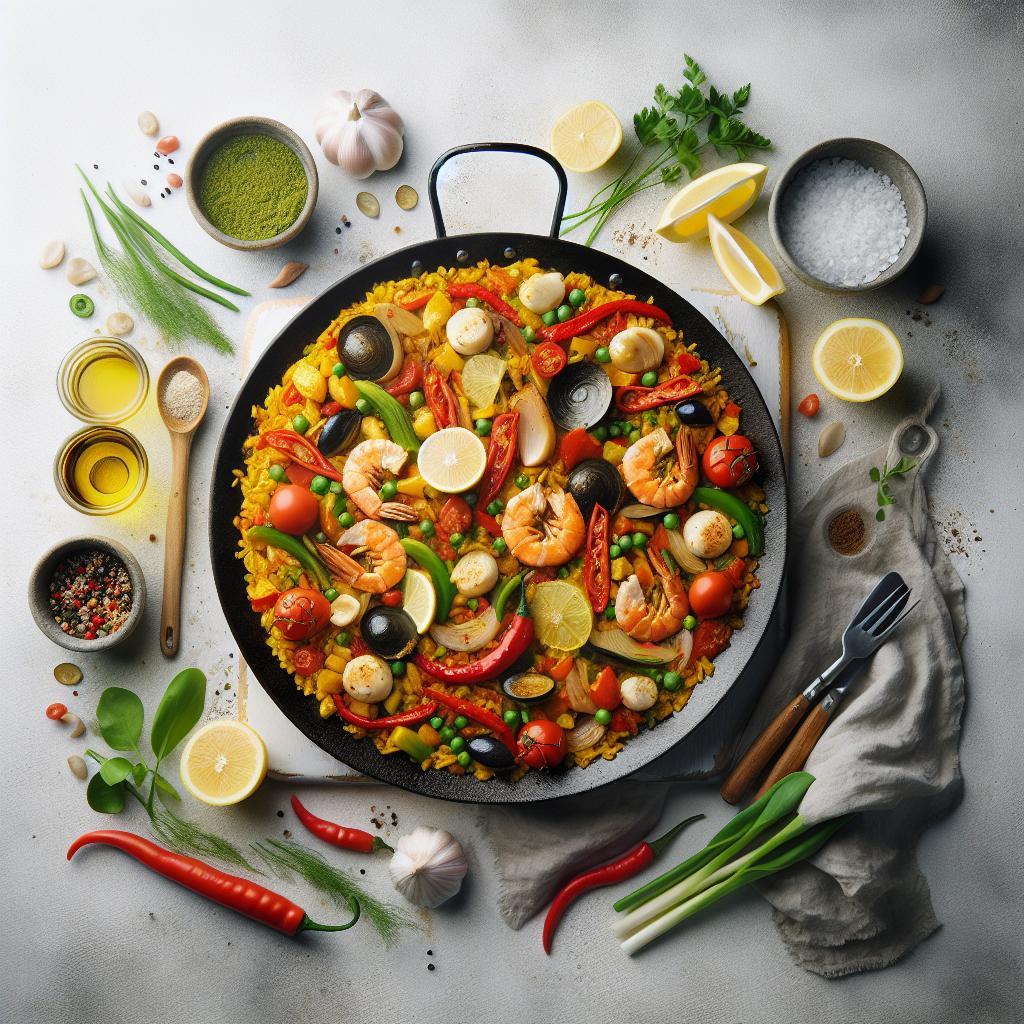
The paella pan’s geometry spreads rice and other ingredients into a thin, even layer. That physical arrangement changes heat transfer, evaporation rate, and the way flavor compounds develop during cooking.
Heat conduction across a shallow metal disc creates a broad, relatively uniform temperature field. This reduces thermal gradients that cause uneven cooking in deeper vessels.
The pan also increases the ratio of surface area to volume. Air and steam escape more readily, which prevents steaming and encourages gentle drying of the grain exterior.
That drying concentrates sugars and amino acids at the rice surface. When those molecules interact with heat, the result is the complex browning that adds nutty and toasted notes to paella.
For context on the dish historically and technically, see paella on Wikipedia. For the botanical and aromatic aspects of the spice used, consult saffron on Wikipedia.
How the Pan’s Shape Influences Heat Distribution
A broad diameter means more rice contacts metal directly. That direct contact creates uniform crust formation and avoids localized overcooking or undercooking.
Metal type matters: carbon-steel pans heat quickly and pass heat well, while heavier alternatives retain temperature differently. Choose material with predictable conductivity for your heat source.
Open flame or wide burners work best because they match the pan’s footprint. Small concentrated burners create hot spots at the center and cool edges, which defeats the pan’s design intent.
When rice lies in a single layer, each grain absorbs liquid and heat at a similar rate. This physical parity is the foundation for consistent texture across the entire pan.
Recipe: Seafood Paella — Prep and Practical Method
This recipe emphasizes technique that exploits the pan’s surface. Follow the order of operations and resist stirring once the broth goes in to protect the socarrat.
Yield and timing below assume a single thin layer of rice spread across a 15–18 inch pan. Adjust pan size and liquid proportionally to preserve depth and cooking dynamics.
Prep and Cook Time
- Prep time: 25 minutes
- Cook time: 40 minutes
- Total time: 65 minutes
Yield
- 4–6 generous servings, ideal for sharing
Difficulty Level
- Medium — requires timing and attention to heat
Ingredients
- 2 cups bomba or short-grain rice (short-grain rice absorbs without turning mushy; see rice varieties on Wikipedia for context)
- 4 cups warm chicken or seafood broth
- 12 large shrimp, peeled and deveined
- 1/2 lb mussels or clams, scrubbed
- 1/2 cup green peas
- 1 medium onion, finely chopped
- 2 cloves garlic, minced
- 1 large ripe tomato, grated or 1/2 cup canned crushed tomato
- 1 red bell pepper, sliced
- 1/4 cup extra-virgin olive oil
- 1 teaspoon smoked paprika
- Pinch of saffron threads, soaked in 2 tbsp warm broth
- Salt and freshly ground black pepper to taste
- Fresh flat-leaf parsley for garnish
- Lemon wedges for serving
Instructions
- Prepare saffron: Soak threads in warm broth for at least five minutes to release color and aroma.
- Heat the pan: Warm the paella pan over medium heat, add olive oil and heat until shimmering but not smoking.
- Sauté aromatics: Cook onion and garlic until translucent. Add bell pepper and cook until slightly softened.
- Add tomato and paprika: Stir in tomato and smoked paprika, reduce until mixture thickens and deepens in color.
- Toast rice: Spread rice evenly across the pan. Stir briefly to coat each grain in the sofrito base; toast for one to two minutes.
- Add broth and saffron: Pour warm broth and saffron infusion evenly over the rice. Do not stir after this point; spreading must remain even for correct socarrat formation.
- Arrange seafood and peas: Place shrimp, mussels and peas evenly across the rice. The wide surface prevents crowding and ensures consistent exposure to heat.
- Simmer uncovered: Maintain a gentle boil for 20–25 minutes until liquid absorbs. Adjust flame to keep even simmering across the pan.
- Rest: Remove from heat, cover loosely with a kitchen towel and rest 5 minutes to equalize moisture and finish cooking by residual heat.
After resting, garnish with parsley and lemon wedges. Serve directly from the pan for the best presentation and texture contrast.
Why Socarrat Forms and How to Manage It
Socarrat is the caramelized, slightly crisp layer that forms at the bottom of the pan. It results from concentrated heat and reduced moisture at the metal-rice interface.
To encourage socarrat, use a single layer of rice and allow controlled reduction of the broth. Avoid stirring after the broth goes in; agitation interrupts crust formation.
Monitor color and aroma rather than time alone. A faint, toasted scent signals safe formation; burnt notes indicate excessive heat and require immediate reduction.
Understanding the chemistry helps: Maillard reactions and sugar caramelization at the surface produce the crunchy, flavorful base. For the underlying chemistry, see Maillard reaction on Wikipedia.
Care and Seasoning of Paella Pans
Carbon-steel pans perform exceptionally well but require seasoning and maintenance. A properly seasoned surface resists sticking and builds flavor over time.
To season, apply a light coat of oil and heat the pan until it smokes lightly; repeat the process several times. Never use abrasive detergents that strip the seasoning.
After cooking, clean the pan with hot water and a firm brush, then dry it thoroughly and rub with oil to prevent rust. For more on choosing durable cookware, see our guide on choosing the right cast iron skillet.
For detailed maintenance routines and tracker-friendly steps, consult our internal care guide at paella pan care. Regular maintenance extends the pan’s service life and preserves flavor benefits.
Serving, Pairings, and the Social Role of the Pan
The wide, shallow pan creates an immediate visual cue for communal dining. Presentation matters: serve straight from the pan to emphasize texture contrasts between tender rice and crisped socarrat.
Pair paella with a crisp white such as Albariño or a light red Tempranillo. The acidity balances the dish’s richness and heightens aromatic saffron notes.
Sharing from one pan shapes the meal’s social dynamics. It places emphasis on collective tasting and ensures each diner samples both moist rice and the coveted crust.
Traditional service practices complement technical considerations: nearby burners, proper utensils and preheated plates speed service and preserve texture.
In Retrospect
The wide surface of a paella pan is a functional choice that affects material science, heat dynamics and culinary chemistry. It actively shapes texture, flavor and presentation.
Adopt the pan’s methodical approach: spread ingredients thin, match the heat source, avoid post-broth stirring, and maintain your equipment. Those steps convert simple ingredients into layered, well-balanced paella.

FAQ
How does a paella pan differ from a regular skillet?
A paella pan is broader and shallower than most skillets. That shape spreads food in a single layer and optimizes evaporation and even heat contact.
Skillets focus heat into a smaller footprint, which can create depth rather than wide, uniform contact with rice grains.
Can I use a non-carbon pan for paella?
Yes. Stainless steel or enameled pans will work, but they change heat retention and require different heat management. Adjust flame size and timing accordingly.
Carbon steel remains a preferred choice for responsiveness and socarrat formation, but any heavy, flat-bottomed pan with similar diameter can produce good results.
Why should I avoid stirring after adding broth?
Stirring disperses temperature zones and can release starch that makes rice gummy. An undisturbed layer allows individual grains to set and a crust to form underneath.
Leave the rice to absorb and redistribute heat naturally; this preserves grain integrity and texture contrast.
How do I know when the socarrat is ready?
Color and aroma guide you more reliably than time. Look for an even, toasted tone and a pleasant nutty scent. If you smell burnt smoke, act quickly to lower the heat.
If unsure, lift a corner with a flat spatula to inspect the crust. It should be crisp and golden, not blackened or bitter.
Where can I learn more about paella history and equipment?
For technical background and historical context, consult the paella entry on Wikipedia. For rice science and grain selection, see the rice article.
These sources complement practical experience and help you align technique with reliable culinary science.
If you want a step-by-step seafood-focused variant, see our internal recipe at seafood paella recipe for a tested ingredient list and timing adjustments.
See also: paella pan