


Beneath the tangy crunch of sauerkraut, the rich aroma of sourdough bread, and the velvety texture of yogurt lies a microscopic world bursting with life and purpose. These invisible architects-starter cultures-are the unsung heroes of food fermentation, quietly orchestrating the transformation of ordinary ingredients into extraordinary culinary delights. From ancient traditions passed down through generations to cutting-edge innovations in modern gastronomy, starter cultures hold the key to unlocking flavor, texture, and nutritional magic. In this article, we embark on a journey to discover how these tiny microorganisms breathe life into our favorite fermented foods and why their role is more crucial than ever in today’s food landscape.
Starter Cultures: The Unsung Heroes of Food Fermentation
Starter cultures are fascinating microorganisms responsible for unlocking complex flavors and preserving foods through fermentation. These tiny yet powerful allies transform raw ingredients, boosting aromas, textures, and shelf life with remarkable precision and artistry.
Prep and Cook Time
- Preparation: 15 minutes (selection and setup)
- Fermentation: 1 to 7 days (depending on recipe)
Yield
- Varies with recipe; generally yields 4-6 servings
Difficulty Level
- Intermediate
Ingredients
- 1 cup unpasteurized milk (for dairy fermentations)
- 2 tablespoons sauerkraut brine (rich in natural lactic acid bacteria)
- 1 teaspoon dried kefir grains (optional for probiotic enhancement)
- 1 tablespoon sea salt (non-iodized, for vegetable fermentations)
- Fresh vegetables or base ingredient such as 1 head cabbage or 2 cups diced cucumbers
- Filtered water (chlorine-free, for saltwater brine)
Instructions
- Prepare your base ingredient: Wash vegetables thoroughly. For cabbage, remove tough outer leaves and slice thinly.
- Create your brine: Dissolve 1 tablespoon of sea salt in 2 cups filtered water. Ensure it’s fully dissolved to maintain optimal conditions for microbes.
- Introduce starter cultures: For quicker fermentation, add 2 tablespoons of sauerkraut brine or 1 teaspoon dried kefir grains to your base ingredient.
- Combine ingredients: In a sterilized glass jar, pack your sliced veggies tightly, pressing down to release natural juices. Pour over the salt brine to submerge completely.
- Seal and ferment: Cover the jar with a cloth or fermentation lid. Leave it at room temperature (~68°F / 20°C) away from direct sunlight.
- Monitor your culture: Check daily, pressing down vegetables if needed to remain submerged, preventing mold formation. Expect bubbling and tangy aromas as fermentation progresses.
- Finish and store: After 3-7 days, taste your creation. When flavors reach desired tanginess, refrigerate to slow fermentation and preserve character.
Chef’s Notes: Tips for Success
- Selecting starter cultures: Opt for high-quality, live-fermentation brines or specific culture starters designed for your food type to ensure consistent and robust results.
- Sanitation matters: Always sterilize vessels and utensils to avoid unwanted microbes competing with starter cultures.
- Temperature control: Warm, steady room temperatures (65-72°F) maximize microbial activity without risk of spoilage.
- Experiment with ingredients: Incorporate herbs like caraway or garlic to complement flavors and subtly influence microbial growth.
- Make ahead: Prepare starter cultures in advance by maintaining a ‘mother’ batch of fermented vegetables, which you can use repeatedly as an inoculant.
- Troubleshooting: Cloudiness in brine or white film (kahm yeast) on surface is normal – just skim off gently. Avoid black or fuzzy mold, which indicates contamination.
Serving Suggestions
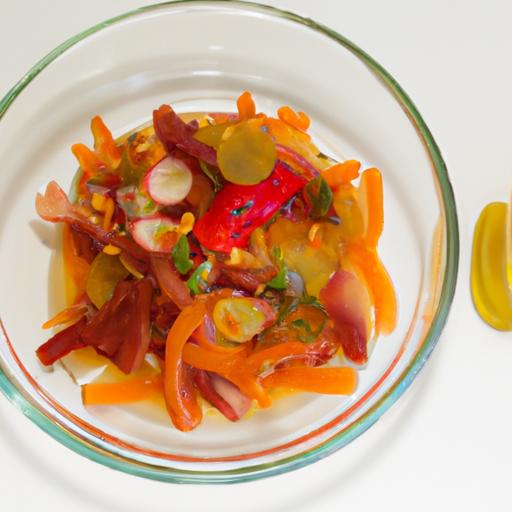
Enjoy your fermented treasures as vibrant side dishes, tangy toppings for sandwiches, or zesty additions to grain bowls. Garnish with fresh herbs like dill or parsley for an extra layer of color and aroma. Pair with creamy cheeses or charcuterie boards to balance their bright acidity.

| Nutrient | Per Serving |
|---|---|
| Calories | 45 kcal |
| Protein | 2 g |
| Carbohydrates | 6 g |
| Fat | 0.2 g |
Understanding the Role of Starter Cultures in Flavor and Preservation
The magic of starter cultures lies in their ability to trigger biochemical transformations. These microbes, primarily lactic acid bacteria and yeasts, metabolize sugars and produce organic acids, alcohols, and aromatic compounds. This process not only imparts signature tangy and umami notes but also creates acidic and anaerobic environments that inhibit spoilage organisms, extending the food’s shelf life.
Research shows that specific starter cultures can be tailored to influence textures-like the creamy consistency in yogurt or the crisp crunch in pickles-making them incredibly versatile in traditional and modern fermentation applications. With a keen understanding of their science, home fermenters and industry professionals alike can achieve consistent, flavorful outcomes.
Ready to deepen your fermentation journey? Explore more on NIFA’s fermentation resource and check our Ultimate Guide to Homemade Fermented Veggies for inspired recipes and expert tips.
Q&A
Q&A: Starter Cultures – The Unsung Heroes of Food Fermentation
Q1: What exactly are starter cultures?
Starter cultures are carefully selected microorganisms-usually bacteria, yeasts, or molds-that kickstart and control the fermentation process in foods. Think of them as the tiny chefs who transform raw ingredients into tangy yogurts, flavorful cheeses, and bubbly sourdough breads.
Q2: Why are starter cultures considered “unsung heroes”?
They work quietly behind the scenes, often invisible to our eyes, yet their impact is immense. Without starter cultures, many beloved fermented foods wouldn’t have their unique flavors, textures, or even their shelf stability. They turn ordinary ingredients into culinary masterpieces, but seldom get the spotlight.
Q3: How do starter cultures influence the taste and texture of fermented foods?
Each type of microorganism produces specific enzymes and acids that break down sugars and proteins in the food. This biochemical magic creates distinctive aromas, tanginess, and textures – from the creamy bite of yogurt to the tangy crust of sourdough bread. Starter cultures are essentially flavor architects.
Q4: Are all fermented foods made with starter cultures?
Not always. Some traditional fermentations rely on wild or natural microbes present in the environment. However, using starter cultures gives producers control over consistency, safety, and flavor precision. Many commercial products depend on starter cultures to ensure quality.
Q5: Can starter cultures impact food safety?
Absolutely! Starter cultures often produce acids and antimicrobial compounds that inhibit harmful bacteria. This natural preservation method not only extends shelf life but also makes fermented foods safer to eat, acting as microscopic bodyguards.
Q6: How have starter cultures evolved over time?
Ancient civilizations unknowingly harnessed wild microbes to ferment foods. Today, science isolates and selects specific strains for optimal results. Modern biotechnology allows us to customize starter cultures, improving taste, nutrition, and even health benefits.
Q7: What’s the future of starter cultures in food?
Starter cultures are poised to revolutionize food innovation-crafting new flavors, reducing food waste, and enhancing probiotic qualities. As we learn more about the microbiome, these tiny heroes might even play a bigger role in personalizing nutrition and wellness.
Q8: Can I make my own starter culture at home?
Yes! Many artisans and home fermenters cultivate starter cultures from previous batches or natural sources like whey or sourdough discard. It’s a fascinating blend of science and tradition that turns your kitchen into a living lab.
Q9: How do starter cultures benefit our health?
Some starter cultures produce beneficial probiotics that support gut health, boost immunity, and even improve digestion. Eating fermented foods with active cultures can be a delicious way to nurture your microbiome.
Q10: Why should we celebrate starter cultures?
Because they’re the microscopic magicians converting simple ingredients into cultural treasures. They embody the art and science of fermentation, enriching our plates, preserving heritage, and inspiring new culinary adventures. Without them, our world of fermented foods would be a lot less flavorful-and far less fascinating.
Concluding Remarks
As we peel back the layers of fermentation, it becomes clear that starter cultures are far more than mere microorganisms – they are the quiet architects of flavor, texture, and nutrition that transform humble ingredients into culinary marvels. These tiny, tireless heroes orchestrate a symphony of biochemical magic, turning simple foods into vibrant, living expressions of culture and history. By appreciating the science and artistry behind starter cultures, we not only deepen our understanding of fermentation but also gain a renewed respect for the time-honored traditions and innovations that enrich our tables. So, the next time you savor a tangy yogurt, a crusty sourdough, or a zesty kimchi, remember to tip your hat to the unseen allies making that delicious transformation possible.