

In the modern rush of breakfast routines, microwave oatmeal has emerged as a swift and satisfying solution, offering warmth and nourishment in mere minutes. But behind its humble simplicity lies a fascinating blend of science and technique that transforms basic oats into a creamy, comforting bowl. From the chemistry of starch gelatinization to the precise dance of water absorption and heat distribution, understanding these scientific principles can elevate your microwave oatmeal from ordinary to extraordinary. Join us as we unravel the secrets behind crafting the perfect microwave oatmeal, turning this everyday staple into a culinary masterpiece fueled by science.
The science behind crafting perfect microwave oatmeal unveils the subtle art of balance – from the critical water to oats ratio to the intricacies of microwave timing and power settings. Achieving a luscious, creamy bowl every time is all about understanding these elements and mastering simple techniques that elevate flavor, texture, and nutrition.
Prep and Cook Time
Preparation: 2 minutes
Cooking: 3-5 minutes (varies per microwave power)
Total time: 5-7 minutes
Yield
Serves 1 hearty portion
Difficulty Level
Easy
Ingredients
- ½ cup old-fashioned rolled oats
- 1 cup water (or milk for creamier texture)
- Pinch of salt
- 1 tbsp maple syrup or honey (optional, for natural sweetness)
- ½ tsp ground cinnamon (optional for warmth and aroma)
- Fresh berries or sliced banana for garnish
- A handful of chopped nuts or seeds to boost nutrition and crunch
- 1 tbsp Greek yogurt (optional, for creaminess and protein)
Instructions
- Combine oats, water, and a pinch of salt in a large, microwave-safe bowl. A larger bowl prevents overflowing as oats expand and bubble.
- Microwave at medium-high (70-80% power) for 2 minutes. Pause and stir gently with a spoon to prevent clumping and to evenly distribute heat.
- Microwave for 1 to 2 additional minutes, depending on your microwave’s wattage. Keep an eye to avoid boiling over.
- Remove carefully (the bowl will be hot!), stir in maple syrup and cinnamon for enhanced flavor integration.
- Stir vigorously for 20-30 seconds to activate oats’ natural starches, creating a creamy, velvety consistency.
- Top with fresh fruit, nuts, and a dollop of Greek yogurt for texture, nutrition, and taste.
Tips for Success
- Perfect the liquid-to-oats ratio: Adjust water gradually-more water makes it creamier but thinner; less water yields a denser texture.
- Microwave power varies: If your oatmeal comes out watery or uneven, lower power and extend cooking time; higher power may cause spillage or dry oats.
- Flavor enhancements: Mix-in spices like nutmeg or vanilla extract for complexity.
- Nutrition boost: Adding chia seeds or flaxseeds pre-cooking adds omega-3 and fiber.
- Make-ahead option: Prepare dry mix portions in advance and store in an airtight container, adding only liquids before microwaving.
Serving Suggestions
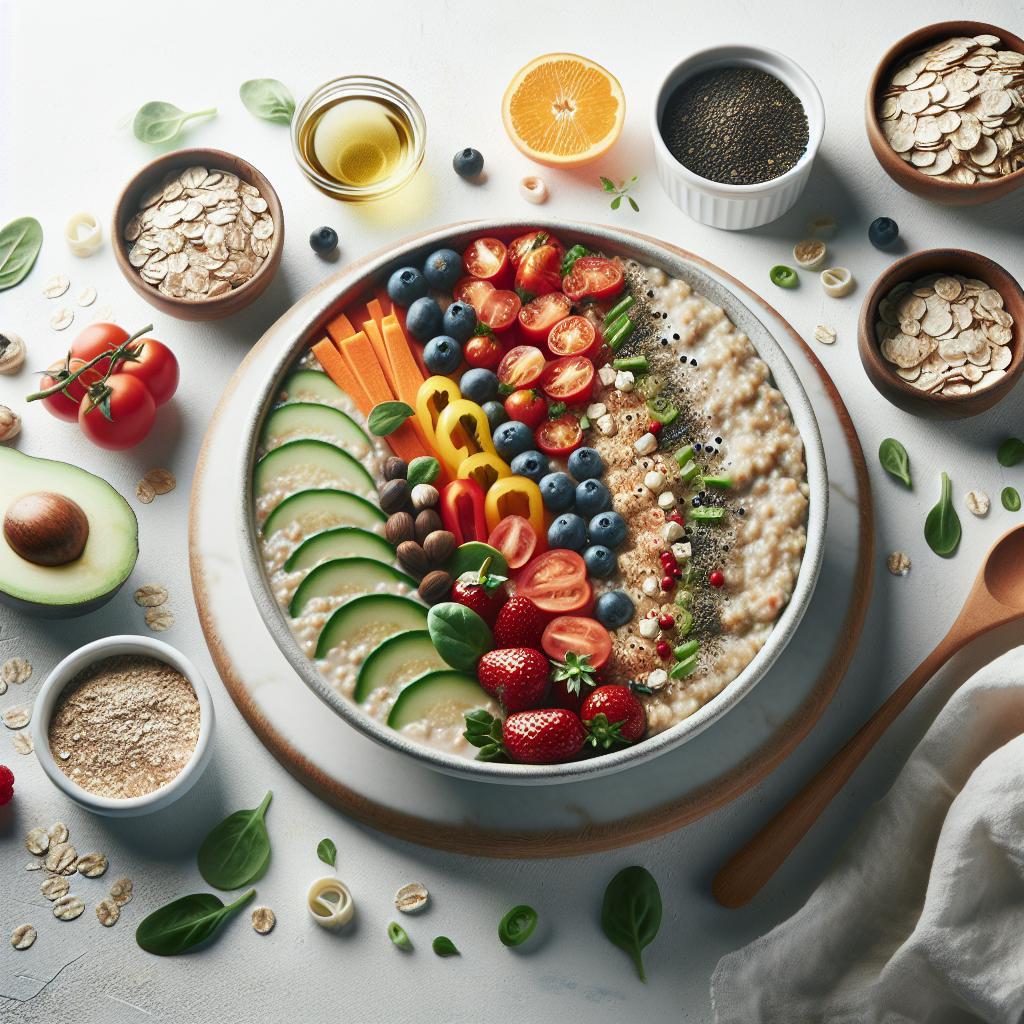
Serve piping hot oatmeal in a rustic ceramic bowl to highlight its comforting vibes. Garnish with vibrant fresh berries, a sprinkle of toasted nuts for crunch, and a drizzle of honey or almond butter to enhance visual appeal and flavor depth. Pair with a warm cup of herbal tea for a wholesome start to your day.
| Nutrient | Amount per Serving |
|---|---|
| Calories | 280 kcal |
| Protein | 8 g |
| Carbohydrates | 45 g |
| Fat | 6 g |
Explore more oat-to-liquid ratios for your ideal bowl.
For detailed food science insights, visit the ScienceDaily article on oatmeal starch gelatinization.

Q&A
Q&A: The Science Behind Crafting Perfect Microwave Oatmeal
Q1: Why does oatmeal sometimes come out gummy or unevenly cooked in the microwave?
A1: Microwave ovens heat food by exciting water molecules, but the energy distribution can be uneven. Oatmeal’s starch granules absorb water and swell, but if microwaved too quickly or without stirring, some parts overcook while others stay dry, resulting in a gummy or lumpy texture.
Q2: How can I control the texture of my microwave oatmeal?
A2: The key lies in water-to-oats ratio and stirring. Using a slightly higher water ratio softens the oats, reducing gumminess. Pausing to stir halfway through microwaving redistributes heat and moisture, ensuring an even, creamy consistency.
Q3: Does the type of oats affect the cooking process in the microwave?
A3: Absolutely! Steel-cut oats need longer cooking times and more water due to their dense, whole-grain structure. Rolled oats cook faster and absorb water more readily, while instant oats are pre-cooked and dried, cooking quickest but sometimes leading to a mushier texture. Tailoring your timing and water levels to oat type is essential.
Q4: What role does water temperature play when preparing microwave oatmeal?
A4: Starting with room temperature water lets oats hydrate more uniformly, whereas using boiling water can jump-start cooking but risks clumping. For the most consistent results, blend oats with cold or lukewarm water and microwave in intervals, stirring in between.
Q5: Can additives or toppings influence the science of oatmeal cooking?
A5: Yes! Ingredients like milk, yogurt, or chia seeds alter the liquid content and viscosity, changing how heat transfers and oats swell. Sugars or salt can also affect water absorption by modifying osmotic pressure. Adding toppings after cooking preserves their texture and flavor.
Q6: How does microwave power rating influence oatmeal preparation?
A6: Microwave power determines how quickly energy is delivered. Higher wattage cooks oats faster but increases the risk of overcooking and uneven patches. Lower wattage means longer cooking times with gentler heat distribution. Adjust your time based on your microwave’s power to achieve perfect results.
Q7: Is there a scientific reason to let oatmeal sit for a minute after microwaving?
A7: Yes! Resting allows residual heat to continue gelatinizing starches and redistributing moisture evenly. This settling period enhances creaminess and reduces hot spots, ensuring a smooth, luscious bowl of oatmeal.
Q8: What’s the secret scientific tip for creamy, non-gummy microwave oatmeal?
A8: Combine the perfect ratio of water (usually about 1.5 to 2 times the oats), microwave in short bursts with stirring breaks, and finish with a brief resting time. This orchestrates controlled starch gelatinization, even heat distribution, and moisture balance-the trifecta for oatmeal perfection!
Through understanding the microscopic dance of starch, water, and heat, you can transform microwave oatmeal from a hit-or-miss meal into a reliable, luscious start to your day.
The Conclusion
As you close the lid on your steaming bowl of microwave oatmeal, remember that this humble morning ritual is a small marvel of science and art combined. From the precise interaction of water molecules dancing under microwaves to the careful balance of oats’ texture and flavor, crafting the perfect oatmeal is more than just convenience-it’s a delicious experiment in chemistry and culinary technique. So next time you stir your oats, savor not only the warmth and nutrition but also the fascinating science that makes that perfect, creamy bite possible. Breakfast, it turns out, can be both simple and spectacular-one microwave beep at a time.