
By using this site, you agree to the Privacy Policy and Terms of Use.
Accept
CookOrBitCookOrBitCookOrBit
  • Home
  • About Us
  • Ingredient Science
    • Flavor & Aroma
    • Protein Chemistry
    • Sugar & Starch
    • Fats & Emulsions
  • Cooking Techniques
    • Searing & Grilling
    • Baking & Roasting
    • Boiling & Steaming
    • Low & Slow
  • Kitchen Experiments
    • DIY Ferments
    • Flavor Tests
    • Gadget Testing
    • Molecular Gastronomy
  • Food Myths
    • Searing Myth
    • 5-Second Rule
    • MSG Myths
    • Microwave Myths
  • Tools
  • More
    • Extra Picks
    • Quick & Easy
      • Breakfast Ideas
      • Desserts
      • Snacks
      • Soups
    • Global Flavors
      • Asian Street Eats
      • Latin Comforts
      • Mexican Flavors
      • Modern Mediterranean
CookOrBitCookOrBit
  • Home
  • About Us
  • Ingredient Science
  • Cooking Techniques
  • Kitchen Experiments
  • Food Myths
  • Tools
  • More
Search
  • Home
  • About Us
  • Ingredient Science
    • Flavor & Aroma
    • Protein Chemistry
    • Sugar & Starch
    • Fats & Emulsions
  • Cooking Techniques
    • Searing & Grilling
    • Baking & Roasting
    • Boiling & Steaming
    • Low & Slow
  • Kitchen Experiments
    • DIY Ferments
    • Flavor Tests
    • Gadget Testing
    • Molecular Gastronomy
  • Food Myths
    • Searing Myth
    • 5-Second Rule
    • MSG Myths
    • Microwave Myths
  • Tools
  • More
    • Extra Picks
    • Quick & Easy
    • Global Flavors
Follow US
  • Advertising Policy: 10 Practical Rules for Safe, Compliant Ads
  • Contact Us
  • Cookie Policy: Clear Guide for Site Owners
  • Copyright Notice Guide: 7 Essential Rules for Website Owners
  • Disclaimer
  • Privacy Policy
  • Terms of Service
By Fimaw.com
Unlocking Creamy Magic: What Is a Yogurt Maker?
CookOrBit > Blog > Kitchen Experiments > Gadget Testing > Unlocking Creamy Magic: 7 Expert Reasons to Own a Yogurt Maker
Gadget Testing

Unlocking Creamy Magic: 7 Expert Reasons to Own a Yogurt Maker

William J. Kroll
By William J. Kroll
Published: February 12, 2026
Share
SHARE

Unlocking Creamy Magic: What Is a Yogurt Maker?

Contents
  • What a Yogurt Maker Is and Why It Matters
  • How a Yogurt Maker Works
    • Temperature, Time, and Texture
    • Microbial Activity and Starter Cultures
  • Equipment, Ingredients, and Setup
  • Step-by-Step Guide to Consistent Homemade Yogurt
  • Expert Tips and Flavor Ideas
  • Safety, Storage, and Troubleshooting
  • Serving Suggestions and Uses
  • FAQ
    • What exactly is a yogurt maker, and why buy one?
    • How long does the yogurt-making cycle take?
    • Can I make Greek-style yogurt in the same device?
    • Which milks work best in a yogurt maker?
    • How do I keep the starter culture viable over time?

A yogurt maker is a compact appliance that holds milk at a steady warm temperature so live cultures can turn it into yogurt. It removes guesswork around timing and temperature to deliver consistent, creamy results at home.

  • Control: You choose milk, fat, and sugar levels for cleaner labels.
  • Consistency: Stable incubation yields repeatable texture and tang.
  • Economy: Homemade yogurt typically costs less per serving than store-bought.
  • Versatility: Use the device for yogurt, yogurt cheese, and other cultured foods.

What a Yogurt Maker Is and Why It Matters

A yogurt maker creates a controlled incubator for beneficial bacteria to ferment milk into yogurt. It stabilizes temperature, which is the key variable in producing reliable results.

- Advertisement -

Home equipment lets you avoid thickeners and excess sugar while preserving live cultures for probiotic benefit. For background on fermented dairy, consult yogurt on Wikipedia.

How a Yogurt Maker Works

The device maintains temperatures typically between 104–113°F (40–45°C) for several hours. At these temperatures, starter bacteria metabolize lactose and produce lactic acid, which thickens and tangs the milk.

Timing and temperature determine texture and acidity: shorter incubations give milder yogurt; longer incubations increase tang and firmness. See the science of fermentation for related mechanisms.

- Advertisement -

Temperature, Time, and Texture

Most models let you choose an approximate incubation duration; some allow precise temperature settings. A stable 110°F (43°C) for 6–10 hours suits most plain yogurts.

To make Greek-style yogurt, incubate fully then strain whey through cheesecloth. Control of temperature and time is the difference between a runny set and a firm, spoonable product.

Microbial Activity and Starter Cultures

Common starter organisms include species of Lactobacillus and Streptococcus. These bacteria convert lactose into lactic acid, which lowers pH and causes milk proteins to coagulate.

- Advertisement -

For deeper reading on the organisms involved, refer to the Lactobacillus entry. Use yogurt with live active cultures as a starter or a freeze-dried culture for consistency.

Equipment, Ingredients, and Setup

A basic yogurt maker includes a heated base and several jars or a single container. Choose heat-safe glass or BPA-free plastic containers for food safety and easy cleaning.

Core ingredients are milk and a starter culture. Whole milk yields the richest texture; you can use lower-fat or some plant milks, though results differ. Learn more about milk varieties via milk on Wikipedia.

Step-by-Step Guide to Consistent Homemade Yogurt

Follow a clear sequence to avoid common failures: pasteurize, cool, inoculate, incubate, then chill. Each stage influences final texture and safety.

Prepare your workspace and equipment, then move steadily through heating and cooling to preserve the starter’s viability. Keep the process hygienic and predictable for repeatable batches.

  1. Heat the milk: Warm milk to 180°F (82°C) briefly to denature whey proteins. This improves body and reduces competing microbes.
  2. Cool to incubation range: Let the milk fall to about 110°F (43°C). Use a thermometer for accuracy.
  3. Add starter: Whisk 2 tablespoons of active yogurt or a measured starter into a small portion of warm milk, then blend back into the pot for even distribution.
  4. Optional thickener: Stir in 1 tablespoon of powdered milk per quart for a firmer set.
  5. Transfer and incubate: Pour into jars, place in the yogurt maker, and incubate 6–12 hours depending on desired tang.
  6. Chill and set: Refrigerate for at least 4 hours before serving to firm texture and mellow acidity.

Expert Tips and Flavor Ideas

Tips for repeatable results: Calibrate your thermometer, pre-warm jars if cold, and use a fresh, active starter. Consistency in ingredients and process yields consistent yogurt.

Reserve a small portion of a successful batch to seed your next one. For more cultured projects and recipe inspiration, visit our internal Fermentation Techniques guide and browse Yogurt Recipes.

💡 Expert Insight
Expert Insight: Use full-fat milk for creamier mouthfeel; add 2–4 tablespoons of dry milk per quart to increase solids and improve body without changing flavor.

Flavoring works best after fermentation. Stir in honey, vanilla, or fresh fruit at the time of service to preserve probiotics and texture. Toasted nuts and spice blends add contrast and interest.

Safety, Storage, and Troubleshooting

Maintain clean equipment and avoid cross-contamination. Heating milk to 180°F kills most competing microbes, and refrigeration slows bacterial activity after incubation.

Store yogurt in sealed containers in the refrigerator for up to 10 days. If you detect off-odors, visible mold, or gas, discard the batch; those are signs of unwanted microbial growth.

⚠️ Pro-Caution
Pro-Caution: Do not use starters that have been stored improperly or show separation and off-odors. Weak or contaminated starters can fail or introduce pathogens.

If your yogurt is too thin, try increasing incubation time, adding powdered milk, or straining whey. If it is excessively sour, reduce incubation hours or lower incubation temperature slightly.

Serving Suggestions and Uses

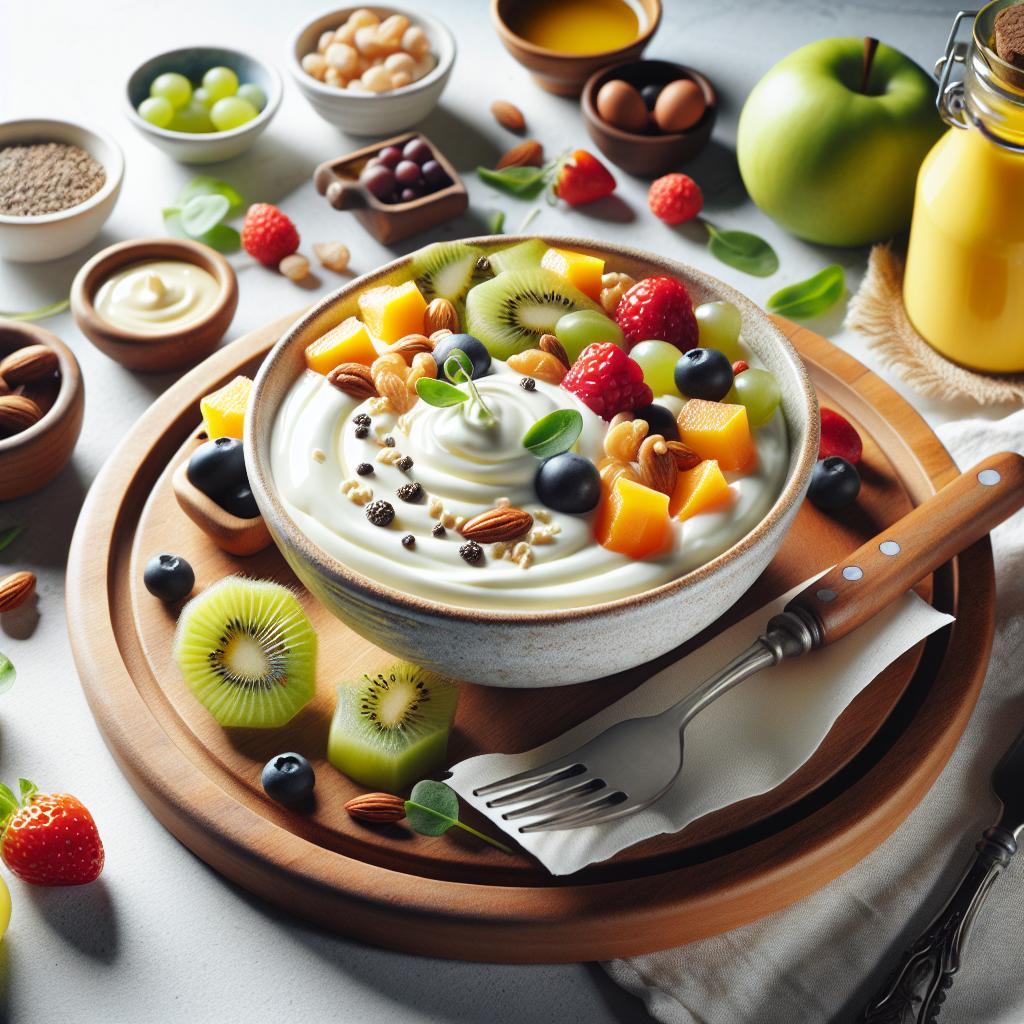
Homemade yogurt serves as breakfast, a sauce base, or a dessert. Layer with fruit and granola or turn strained yogurt into a thick dip or cheese alternative.

Use yogurt to enrich marinades, soups, and chilled sauces. Its acidity tenderizes proteins and contributes a creamy texture that pairs well with fresh herbs and citrus.

FAQ

What exactly is a yogurt maker, and why buy one?

A yogurt maker is an appliance that creates a stable warm environment for starter cultures. You buy one for consistent batches, better ingredient control, and lower per-serving cost than many commercial products.

How long does the yogurt-making cycle take?

Typical fermentation runs 6–12 hours, depending on desired tartness and texture. Then chill for at least 4 hours to set the yogurt fully.

Can I make Greek-style yogurt in the same device?

Yes. Incubate normally, then strain through cheesecloth or a fine mesh for several hours to remove whey and concentrate solids into Greek-style yogurt.

Which milks work best in a yogurt maker?

Cow’s whole milk produces the richest texture. Lower-fat milks work but yield lighter body. Some plant milks set poorly unless thickened or blended with stabilizers.

How do I keep the starter culture viable over time?

Store a reserved starter in the refrigerator and use it within 1–2 weeks for best results. For long-term storage, use a freeze-dried commercial starter and follow the manufacturer’s instructions.

See also: yogurt maker

Bright Start: 5-Step Lemon Blueberry Overnight Oats Recipe
7 Expert Rules to Master Steak Flipping
7 Reasons to Try Roasted Sweet Potato & Quinoa Delight Today
7 Proven Chemistry Tips for Perfect Slow‑Baked Potato Gratin
7 Expert Fixes for Roux Run Short: Rescue Undercooked Roux Fast
TAGGED:andcreamyhomemade yogurtincubation temperatureProbiotic yogurtstarter culturestheunlockingwhatyogurtyogurt fermentationyogurt makeryogurt recipes
Share This Article
Facebook Pinterest Whatsapp Whatsapp LinkedIn Telegram Threads
What do you think?
Love0
Sad0
Happy0
Sleepy0
Angry0
Dead0
Wink0
Previous Article Rice Rivalry: Jasmine vs Basmati Showdown Tested and Explained Basmati vs Jasmine: 7 Tested Differences to Choose the Best Rice
Next Article Carrageenan Uncovered: Nature’s Seaweed Thickening Secret Carrageenan Exposed: 9 Practical Uses and Safe Cooking Techniques
Creamy Garlic Chicken with melted Parmesan and fresh herbs on a rustic white plate
Garlic Chicken: 7 Ultimate Brilliant Recipes to Make the Best-Ever Creamy Garlic Chicken with Parmesan & Fresh Herbs
Extra Picks
Colorful bowls of Leftover Couscous transformed into salads, fritters, and stuffed peppers.
12 Amazing Practical Leftover Couscous Ideas: Brilliant Ways to Reuse and Remix
Uncategorized
Colorful jars of spice blends beside steaming couscous with herbs and lemon
7 Ultimate spice blends That Transform Your Couscous — Amazing Best Flavor Boosts
Uncategorized
Bowls of gluten-free couscous alternatives: quinoa, millet, cauliflower, and rice
10 Amazing couscous alternatives: Best Gluten-Free Swaps for Incredible Flavor
Uncategorized

Tags

and art baked baking science baking techniques Baking tips batch cooking beef behind browning techniques butternut squash caramelization cast iron skillet chemistry chicken comfort food Cooking science cooking technique Cooking techniques Cooking tips crafting creamy creamy soup crispy culinary science fish flavor flavor chemistry food food safety Food science for garlic golden Ground turkey hearty heat high-heat cooking high protein meals how instant read thermometer Lean protein magic Maillard reaction make ahead meals make ahead soup mastering meal prep Meal prep recipes meat thermometer microwave microwave cooking moisture control one pot meals Pan searing perfect perfectly Plant based protein Probe thermometer protein denaturation Quick dinners roasted roasted squash roasted tomato soup Roasted vegetables Roasting techniques savor savory science Searing technique Searing techniques secrets slow cooking squash steak steak cooking sweet temperature control the top turkey turkey soup turkey stew ultimate umami cooking umami flavor unlock unlocking unveiling vegetable velvety weeknight dinner Weeknight dinners weeknight meals what when why with your zesty
April 2026
M T W T F S S
 12345
6789101112
13141516171819
20212223242526
27282930  
« Mar    

You Might Also Like

Wholesome Chicken Veggie Soup: Nourish & Comfort Daily
Extra Picks

Essential Chicken Soup: 7 Simple Ways to Nourish Daily

William J. Kroll
William J. Kroll
December 20, 2025
- Unlocking Flavor: Why Your Vegetarian Meal Feels Incomplete
MSG Myths

Unlocking Flavor: 10 Expert Ways to Make Vegetarian Meals Feel Complete

William J. Kroll
William J. Kroll
November 7, 2025
- Chill Thrills: Safely Crafting Liquid Nitrogen Ice Cream
Molecular Gastronomy

7 Expert Tips: Chill Thrills — Safely Crafting Liquid Nitrogen Ice Cream

William J. Kroll
William J. Kroll
October 29, 2025
Cake vs. Yeast Donuts: Unraveling the Sweet Differences
Baking & Roasting

Cake vs. Yeast Donuts: 7 Powerful Differences Every Baker Should Know

William J. Kroll
William J. Kroll
February 16, 2026
Herb-Kissed Baked Halibut: A Flavorful Seafood Delight
Extra Picks

Herb-Kissed Baked Halibut: 7 Pro Techniques for Moist, Flavorful Fillets

William J. Kroll
William J. Kroll
January 15, 2026
- Unlocking Flavor: The Maillard Magic in Searing Meat
Searing & Grilling

Unlock Flavor: 7 Maillard Secrets for Perfectly Seared Meat

William J. Kroll
William J. Kroll
September 29, 2025
Follow US
By Fimaw.com © All Rights Reserved.
  • Advertising Policy: 10 Practical Rules for Safe, Compliant Ads
  • Contact Us
  • Cookie Policy: Clear Guide for Site Owners
  • Copyright Notice Guide: 7 Essential Rules for Website Owners
  • Disclaimer
  • Privacy Policy
  • Terms of Service
Welcome Back!

Sign in to your account

Username or Email Address
Password

Lost your password?