

In the world of culinary craftsmanship, few techniques captivate the senses quite like dry-aging meat. This ancient yet meticulous process transforms ordinary cuts into extraordinary flavors, unveiling richness and complexity that simply cannot be rushed. But behind the tender, savory perfection lies a fascinating scientific ballet-enzymes breaking down proteins, moisture evaporating to concentrate taste, and beneficial molds cultivating depth. Join us as we unlock the secrets of dry-aging, revealing the science that turns humble slabs of meat into gastronomic masterpieces, and discover why patience truly is the secret ingredient in the quest for flavor.
Unlocking Flavor: Mastering the Dry-Aging Process for Tender, Flavorful Meat
Unlocking Flavor: The Science Behind Dry-Aging Meat is more than an art-it is a precise culinary science that transforms humble cuts into gourmet masterpieces. From the first time I tasted a perfectly dry-aged ribeye, with its nutty aroma and melt-in-your-mouth texture, I knew this was a technique worth mastering. This transformative process relies on the careful chemical dance between temperature, humidity, and airflow which works to develop bold flavors and tender textures that celebrate the very essence of beef.
Prep and Cook Time
- Preparation Time: 5 minutes (initial setup)
- Dry-Aging Duration: 21-45 days (depending on preference)
- Cook Time: 15-20 minutes (post-aging, for cooking the steak)
Yield
- Serves 2-4 people depending on steak size and appetite
Difficulty Level
- Advanced: Requires careful monitoring of environment and patience
Ingredients
- 1 whole primal cut of beef (e.g., ribeye or strip loin), approx. 10-15 lbs, bone-in preferably
- Coarse sea salt, 1 cup for initial seasoning
- Optional fresh herbs (thyme, rosemary), for finishing garnish
- Freshly ground black pepper, to taste
- High-smoke point oil (grapeseed or avocado), 2 tbsp for searing
Instructions
- Prepare Your Aging Environment: Set your dry-aging fridge or dedicated cooler to a consistent temperature between 34-38°F (1-3°C). Maintain relative humidity around 80% with proper airflow (a small fan or vent is ideal).
- Select the Cut: Choose a well-marbled, high-quality primal cut with the fat cap intact. This fat layer protects the meat and fosters flavor development.
- Initial Seasoning: Lightly rub the surface of the beef with coarse sea salt. This enhances moisture extraction, activating enzymes that tenderize the meat.
- Place the Meat: Position the beef on a wire rack allowing air circulation on all sides inside the chilled environment.
- Patience During Aging: Leave the beef to age undisturbed for 21-45 days. The timeline depends on how strong and complex you want the flavors-shorter for subtle earthiness, longer for pronounced funk and nuttiness.
- Regular Monitoring: Check temperature and humidity daily. Adjust fans or humidifiers to maintain steady conditions. Watch for any off-odors or discoloration and trim if necessary.
- Post-Age Preparation: When aging is complete, trim away the dried outer crust to reveal the rich maroon meat inside.
- Cooking: Season the trimmed steak with freshly ground black pepper and sear in a hot skillet with 2 tablespoons of high-smoke point oil. Sear for 3-4 minutes per side until deeply caramelized. Finish with a rest of 10 minutes before slicing.
Chef’s Notes & Tips for Success
- Cut Selection: Prime rib, strip loin, and sirloin are ideal for dry-aging due to their fat content and muscle structure.
- Humidity Control: Too dry and meat can waste away; too moist leads to off-flavors or spoilage. Aim for 80% humidity consistently.
- Airflow is Essential: Good ventilation prevents mold and encourages the ideal crust formation.
- Trimming Advice: Don’t discard the outside crust post-aging; use it to flavor stocks or sauces.
- Make-Ahead: You can pre-season and dry-age then vacuum-seal smaller trimmed steaks for perfect grilling anytime.
- Substitutions: If home dry-aging is impractical, consider wet-aging options for milder flavor enhancements.
Serving Suggestions
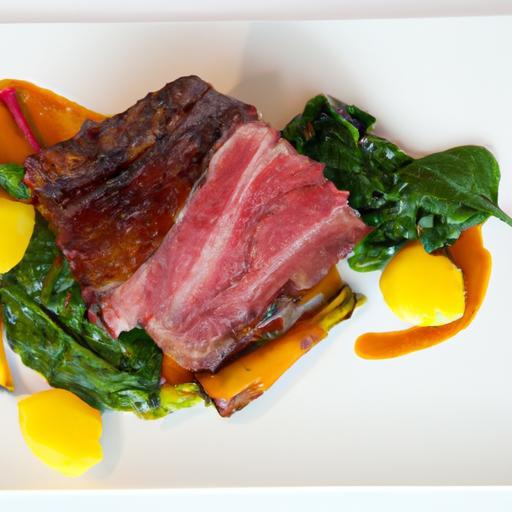
To showcase the rich complexity achieved through dry-aging, serve your steak simply. Pair it with a sprinkle of flaky sea salt, freshly cracked black pepper, and an herbaceous butter or fresh chimichurri. Complement the flavors with roasted garlic mashed potatoes, grilled seasonal vegetables, and a bold red wine like Cabernet Sauvignon or Malbec. Garnish with fresh thyme or rosemary sprigs for an inviting rustic elegance.
| Nutrient | Per 6 oz Cooked Steak |
|---|---|
| Calories | 450 kcal |
| Protein | 48 g |
| Carbohydrates | 0 g |
| Fat | 30 g |

For those interested in exploring more about meat aging techniques, check out our detailed guide on wet-aging vs dry-aging. Additionally, the USDA provides excellent resources on safe meat handling and aging.
Q&A
Q&A: Unlocking Flavor – The Science Behind Dry-Aging Meat
Q1: What exactly is dry-aging meat?
A: Dry-aging is a traditional process where large cuts of beef are hung or placed on racks in a carefully controlled environment for several weeks. During this time, the meat slowly dehydrates and enzymes naturally break down muscle tissue, concentrating flavor and enhancing tenderness.
Q2: How does dry-aging change the flavor of meat?
A: The magic lies in time and enzymes. As meat ages, moisture evaporates, intensifying the beefy flavor. Meanwhile, natural enzymes break down proteins and connective tissues into amino acids and peptides, which add complex, savory, and sometimes nutty notes that fresh meat simply doesn’t have.
Q3: Why does dry-aged meat become more tender?
A: Enzymatic activity during aging softens the muscle fibers by breaking down tough proteins. This natural tenderization process means the meat requires less chewing, offering a melt-in-your-mouth experience that’s a hallmark of premium dry-aged cuts.
Q4: What conditions are necessary for dry-aging?
A: Temperature, humidity, and airflow are key. Ideally, the meat is aged at about 34-38°F (1-3°C) with relative humidity around 80%. Proper airflow prevents spoilage while allowing the outer surface to dry and form a flavorful crust, which is later trimmed off.
Q5: How long can meat be dry-aged?
A: Dry-aging can range from 14 days to over 120 days. Most commonly, beef is aged for 21 to 45 days. Longer aging intensifies flavor but also increases cost, as more moisture loss means less sellable weight.
Q6: Does dry-aging work for all types of meat?
A: Dry-aging is predominantly used for beef, especially ribeye, strip loin, and sirloin because of their fat marbling and size. Other meats like pork or poultry don’t benefit as much due to their lower fat content and different muscle structure.
Q7: Are there risks associated with dry-aging meat at home?
A: Yes, without precise control of environment, harmful bacteria and mold can develop. Professional dry-aging involves specialized refrigeration units that maintain optimal conditions. For home cooks intrigued by dry-aged flavor, using dry-aged beef from trusted sources is recommended.
Q8: How can consumers identify quality dry-aged beef?
A: Look for deep mahogany color, firm texture, and a nutty, earthy aroma. Quality dry-aged beef should be packaged properly and clearly labeled. When cooked, expect a rich, beefy flavor with a buttery tenderness that sets it apart.
Q9: What’s the biggest takeaway about the science behind dry-aging?
A: Dry-aging is a beautiful blend of biology and culinary art. Time, enzymes, and environment conspire to transform simple muscle into a luxurious, flavor-packed experience. It’s nature’s way of unlocking depth and character hidden within the meat.
Q10: How can I best enjoy dry-aged meat?
A: Keep it simple! Let the flavor shine with minimal seasoning-salt and pepper suffice. Cook it to medium-rare to preserve juiciness and savor every bite slowly. Whether grilled, pan-seared, or broiled, dry-aged beef is a celebration of patience paying delicious dividends.
Insights and Conclusions
As we close the chapter on the art and science of dry-aging, it becomes clear that this ancient technique is far more than a simple wait. It’s a carefully orchestrated dance of enzymes, microbes, and time-each playing its part to transform humble cuts of meat into tender, flavor-packed masterpieces. Unlocking the secrets behind dry-aging not only deepens our appreciation for flavor but reminds us how patience and precision can elevate what we eat into an experience. So next time you savor that perfectly aged steak, know that you’re tasting the remarkable science of time itself, carefully crafted to delight your senses.