

In the realm of culinary craftsmanship, eggs have long held a sacred place-simple yet sublime, humble yet endlessly versatile. But achieving the perfect egg, with yolks that flirt between runny and creamy and whites set to silky tenderness, has often been a delicate balancing act. Enter sous vide: a revolutionary technique that transforms egg cooking from guesswork into precision art. By harnessing the power of gentle, unwavering temperature control, sous vide unlocks a new dimension of texture and flavor, elevating the everyday egg into a masterpiece of consistency and grace. Join us as we dive into the science, the secrets, and the sensory delights of mastering sous vide eggs-because perfection isn’t just a goal; it’s a delicious journey waiting to be savored.
- The Science of Temperature Precision and Texture Transformation
- Selecting the Ideal Egg Variety and Freshness
- Prep and Cook Time
- Yield
- Difficulty Level
- Ingredients
- Step-by-Step Guide to Achieving Your Preferred Doneness Every Time
- Creative Flavor Infusions and Serving Suggestions to Elevate Your Sous Vide Eggs
- Chef’s Notes & Tips for Success
- Nutritional Information per 1 Large Sous Vide Egg
- Q&A
- Closing Remarks
Unlocking Perfection: Mastering the Art of Sous Vide Eggs
Unlocking perfection in sous vide eggs begins with understanding the delicate balance between temperature precision and texture transformation. This cooking technique, rooted in culinary science, allows you to transcend traditional egg preparation methods by controlling the exact doneness-resulting in an exquisitely smooth, custard-like yolk and tender white every time. Whether you crave a jammy soft-boiled egg or a silky poached egg consistency, sous vide elevates simple eggs into a sophisticated delight.
The Science of Temperature Precision and Texture Transformation
Achieving perfect sous vide eggs requires nuanced temperature control, which governs the proteins within the egg white and yolk. Egg white proteins begin to solidify around 140°F (60°C), while yolk proteins thicken slightly higher, near 145°F (63°C). By holding eggs in a water bath at precise temperatures ranging from 145°F to 167°F (63°C to 75°C), you control exactly how firm or runny each component becomes. This painstaking precision converts familiar eggs into silky textures that conventional boiling cannot replicate. The gently warmed, stable environment allows for gradual protein denaturation, producing an uncommonly creamy mouthfeel that delights every palate.
Selecting the Ideal Egg Variety and Freshness
For consistent results, fresh eggs with bright yolks and intact whites are essential. Opt for free-range or organic eggs, which often boast richer flavors due to superior hen diets. Egg size also influences cooking time slightly; large eggs are standard, but if using medium or jumbo eggs, minor time adjustments may be necessary. The fresher the egg, the better the texture-older eggs tend to thin out whites, which may affect final consistency. Keep eggs refrigerated until use, and bring them to room temperature before immersion to promote even cooking.
Prep and Cook Time
- Preparation: 5 minutes
- Cook Time: 45 minutes to 1 hour (depending on desired doneness)
- Total Time: Approximately 1 hour
Yield
- Serves 2-4 people, depending on serving size and recipe variations
Difficulty Level
- Medium – Requires temperature management and precise timing
Ingredients
- 4 large fresh free-range eggs, at room temperature
- 1 teaspoon sea salt (optional, for seasoning)
- Herbs or spices for infusion (e.g., fresh thyme, cracked pepper, smoked paprika – optional)
- 1 teaspoon truffle oil (optional, for a luxurious flavor boost)
- Microgreens or edible flowers (for garnish)
Step-by-Step Guide to Achieving Your Preferred Doneness Every Time
- Preheat your sous vide water bath to your target temperature:
- Soft-boiled egg: 145°F (63°C) for 45 minutes
- Medium custard: 147°F (64°C) for 45 minutes
- Classic jammy yolk: 150°F (65.5°C) for 45 minutes
- Harder, spoonable yolk: 165°F (74°C) for 45 minutes
- Gently place eggs into the preheated water bath in a single layer, using a mesh basket or directly into the water.
- Cook without disturbing for the full designated time, allowing the proteins to gently coagulate at a controlled rate.
- Remove eggs from the bath with tongs and immediately plunge into an ice water bath for 1 minute to halt cooking and make handling easier.
- Crack eggs gently and serve immediately, or peel carefully if desired for presentation or recipes like salads and toasts.
Creative Flavor Infusions and Serving Suggestions to Elevate Your Sous Vide Eggs
Transform these delicately cooked eggs by infusing flavors directly into the cooking bath or as finishing touches. Add sprigs of fresh thyme, a pinch of smoked paprika, or lightly cracked pepper to the water for subtle aromatic accents. Drizzle with a few drops of truffle oil for decadent earthy undertones, or sprinkle with flaky sea salt just before serving.
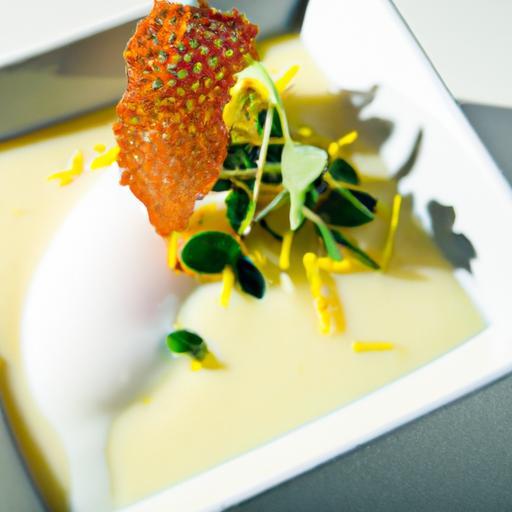
To visually elevate your dish, serve sous vide eggs atop creamy avocado toast garnished with microgreens, a dusting of chili flakes, and freshly cracked black pepper. Alternatively, nestle the eggs atop buttered English muffins paired with sautéed spinach and crisp bacon for a brunch-worthy plate that’s both elegant and comforting. Adding edible flowers provides stunning pops of color, making your plating irresistible to both eyes and palate.
Chef’s Notes & Tips for Success
- Bring eggs to room temperature before cooking to avoid cracking in the hot bath and to ensure even cooking.
- Use a precision sous vide machine for temperature consistency within ±0.1°C to get repeatable results.
- If cooking multiple eggs, arrange them in a single layer to ensure even water circulation around each shell.
- For make-ahead options, sous vide eggs can be refrigerated in their shells for up to 3 days; reheat gently in warm water before serving.
- Experiment with cook times and temperatures to find your perfect texture – every taste is unique!
- Always handle eggs gently post-cooking, as the whites will be tender and delicate.
Nutritional Information per 1 Large Sous Vide Egg
| Calories | Protein | Carbohydrates | Fat |
|---|---|---|---|
| 70 kcal | 6 g | 0.6 g | 5 g |
Explore more sous vide techniques to enhance your culinary repertoire. For scientific insights into egg protein behavior, visit the ScienceDirect journal on egg protein gelation.

Q&A
Q&A: Unlocking Perfection – Mastering the Art of Sous Vide Eggs
Q1: What makes sous vide eggs so special compared to traditional cooking methods?
A1: Sous vide eggs are the epitome of precision. Unlike boiling or frying, sous vide gently cooks eggs at a controlled temperature, unlocking textures that range from silky custard-like yolks to tender whites. This technique eliminates guesswork, ensuring every egg is perfected exactly how you like it-whether that’s a runny center or a firmer bite.
Q2: What equipment do I need to start mastering sous vide eggs?
A2: The heart of sous vide cooking is an immersion circulator-a trusty device that heats and circulates water to your ideal temperature. You’ll also need a container for the water bath and preferably a slotted spoon or mesh basket to gently lower and retrieve the eggs. Beyond that, a timer and a bit of patience are your best allies on this culinary journey.
Q3: How do temperature and timing impact the texture of sous vide eggs?
A3: Temperature is your magical dial for texture:
- Around 63°C (145°F) yields luscious, creamy whites and custardy yolks.
- At 66°C (150°F), expect firmer whites while yolks stay rich and jammy.
- Pushing up to 70°C (158°F) results in more solid whites and yolks, perfect for slicing.
The clock matters too-cook too briefly, and eggs remain underdone; cook for longer, and they firm up uniformly. Sous vide’s slow, consistent heat crafts textures almost impossible to achieve on the stovetop.
Q4: Can I season sous vide eggs before cooking, or is it better to add flavor afterward?
A4: While you can add a pinch of salt or herbs before cooking, seasoning is generally best added post-cook to preserve delicate flavors. The sous vide bath itself is just hot water, so adding seasoning afterward preserves freshness and allows you to customize each serving-be it a sprinkle of truffle salt, a dash of smoked paprika, or a drizzle of homemade hollandaise.
Q5: Are sous vide eggs safe to eat, especially with lower cooking temperatures?
A5: Yes, sous vide is safe when done properly! The key is time-temperature precision. Although some temperatures seem low by traditional standards, cooking eggs sous vide for an extended period pasteurizes them by effectively killing harmful bacteria. If safety is a concern, stick to recommended temps and durations from trusted culinary sources.
Q6: How can sous vide eggs elevate my everyday meals?
A6: Sous vide eggs are culinary chameleons. Drop a perfectly cooked egg atop avocado toast, salads, or ramen and watch textures and flavors bloom. Their creamy consistency elevates simple dishes into memorable brunches or elegant dinners. Plus, consistency means no more guessing if your eggs will be just right every time.
Q7: Any creative twists for serving sous vide eggs?
A7: Absolutely! Try infusing your eggs with flavors by adding aromatics like rosemary or garlic to the water bath (in a sealed bag). Or poach sous vide eggs in flavorful broths for an umami boost. For a playful twist, serve on a bed of truffle mashed potatoes or nestled into a flaky croissant sandwich. The key is embracing the versatility and letting your culinary imagination run wild.
Ready to crack the code? With sous vide eggs, perfection isn’t elusive-it’s unlocked with precision, patience, and a dash of creativity. Happy cooking!
Closing Remarks
As you close the lid on your sous vide adventure, remember that mastering the art of eggs is more than a culinary trick-it’s an invitation to explore precision, patience, and creativity. With each perfectly cooked egg, you unlock new possibilities in texture, flavor, and presentation, transforming a humble ingredient into a masterpiece. So, embrace the science, savor the simplicity, and let your sous vide eggs elevate every dish to perfection. The journey towards flawless eggs is not just about technique; it’s about discovering the endless joy hidden in the art of slow, deliberate cooking. Happy cooking, and may your eggs always come out just right!