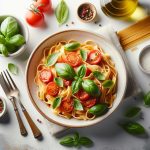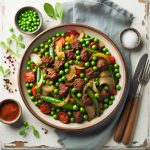

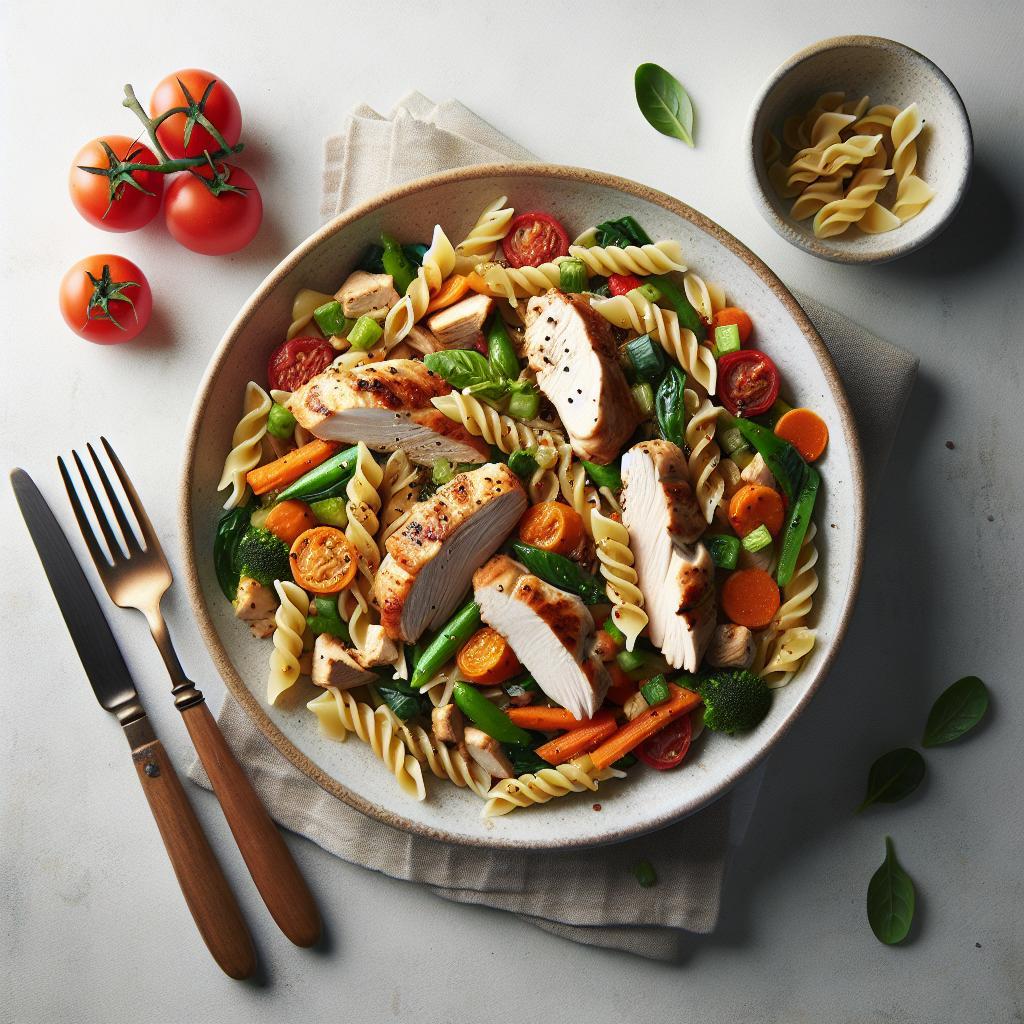

Wholesome chicken and vegetable pasta combines lean protein, whole-grain pasta, and colorful vegetables for a nutrient-dense family meal. The recipe balances texture and flavor so each bite tastes vibrant yet light.
- Introduction: Why this recipe works
- Prep and Cook Time
- Yield and Difficulty
- Ingredients
- Instructions
- Tips for Success
- Serving Suggestions
- Nutrition & Portion Control
- Variations and Special Diets
- FAQ
- What makes this pasta “wholesome”?
- Can I use different vegetables?
- How do I keep the chicken tender?
- Is this meal good for meal prep?
- How do I adjust sauce consistency?
- Future Outlook
- Quick prep: Ready in about 45 minutes for weeknight service.
- Balanced plate: Lean chicken, whole-wheat penne, and a rainbow of vegetables.
- Flexible: Easy swaps for dietary needs or seasonal produce.
- Make-ahead friendly: Components store separately for best texture.
Introduction: Why this recipe works
This is more than comfort food; it is a deliberate assembly of ingredients that deliver protein, fiber, and micronutrients. Each element—chicken, pasta, and vegetables—plays a defined role in flavor, mouthfeel, and nutrition.
For background, learn how chicken functions as a lean protein source on chicken. Also, review the basics of pasta varieties on the pasta page to choose the right shape and grain.
Prep and Cook Time
Preparation: 20 minutes. These steps include trimming and slicing the chicken and prepping vegetables so cooking runs smoothly. Short prep keeps vegetables crisp and chicken tender.
Cooking: 25 minutes. The actual cook time focuses on searing chicken, sautéing vegetables, and finishing the sauce so everything remains vibrant and al dente.
Yield and Difficulty
Yield: Serves 4 generous portions. Portions deliver roughly 450 kcal and a high-protein ratio per the recipe design.
Difficulty: Easy to medium. You only need basic skillet technique and timing control; perfect for cooks who want reliable results without advanced equipment.
Ingredients
Below is a concise ingredient list for predictable outcomes. Use whole-wheat penne for extra fiber and texture, and opt for low-sodium chicken broth to control the final sodium load.
Key items: 12 oz boneless skinless chicken breasts (thin strips), 2 tbsp extra virgin olive oil, 3 garlic cloves minced, 1 tsp fresh thyme, 1 red bell pepper julienned, 1 zucchini sliced, 1 cup cherry tomatoes halved, 1 cup fresh spinach, 8 oz whole wheat penne, 1/2 cup low-sodium chicken broth, 1/3 cup freshly grated Parmesan, salt and black pepper, 1 tbsp lemon juice, chopped fresh basil for garnish.
Ingredient notes and swaps
Swap whole-wheat penne for other whole-grain or legume-based pastas to adjust fiber and protein. For dairy-free diets, omit Parmesan or use a plant-based alternative.
Olive oil contributes mouthfeel and low-level emulsification; read more about its properties on the olive oil page. Parmesan impact on umami follows traditional profiles; see Parmigiano-Reggiano background.
Instructions
Follow the sequence: cook pasta, sear chicken, sauté vegetables, create a light pan sauce, and then combine. Keep heat control tight to prevent overcooking and preserve texture.
Work with mise en place to speed transitions. Reserve a small measure of pasta water to adjust sauce viscosity; the starch will bind the sauce and coat the penne evenly.
Step-by-step method
1. Cook the pasta: Bring a large pot of salted water to a boil. Add whole-wheat penne and cook until al dente, about 9–11 minutes; drain and reserve 1/2 cup pasta water.
2. Prepare and sear chicken: Season strips with salt, pepper, and thyme. Heat 1 tbsp oil in a skillet over medium-high heat, then sear chicken 5–7 minutes until golden and cooked through; remove and rest.
3. Sauté vegetables: Add remaining oil, then garlic; sauté 30 seconds until fragrant. Add bell pepper and zucchini, cook 4–5 minutes until just tender. Stir in cherry tomatoes and spinach; cook until spinach wilts, about 2 minutes.
4. Create the sauce and combine: Add chicken broth and lemon juice, scraping browned bits. Simmer 2–3 minutes. Return chicken, add pasta, and toss. Use reserved pasta water a little at a time to achieve a silky sauce.
5. Finish: Stir in Parmesan until it melts into the sauce, then adjust salt and pepper. Plate and garnish with chopped basil and a light drizzle of olive oil.
Tips for Success
Technique matters. Pat chicken dry to encourage brown crust formation; this step improves flavor through Maillard reaction and helps retain juices during cooking.
Cook vegetables on a higher heat for a short time to preserve color and texture. Quick searing keeps them vibrant and avoids sogginess that dilutes flavor.
If you plan to meal prep, store protein and vegetables separately from pasta. Reheat components gently and combine with freshly cooked pasta to restore ideal mouthfeel.
Serving Suggestions
Serve in shallow bowls to showcase the colorful vegetables and slice of chicken. Add a lemon wedge to brighten flavors at the table for guests who want extra acidity.
Pair with a crisp green salad or toasted garlic bread for contrast. For beverage pairing, choose a light white wine or sparkling water with citrus for a non-alcoholic option.
Nutrition & Portion Control
This recipe targets a balanced macronutrient profile: approximately 36 g protein, 42 g carbohydrates, and 12 g fat per serving. The composition supports satiety and post-meal recovery for active adults.
For training clients or active families, adjust portions upward by adding extra chicken or legumes. Conversely, reduce oil or cheese to lower total fat and calories for specific dietary needs. For general nutrition context see nutrition.
| Nutrient | Amount per Serving |
|---|---|
| Calories | 450 kcal |
| Protein | 36 g |
| Carbohydrates | 42 g |
| Fat | 12 g |
Variations and Special Diets
To make this dish gluten-free, choose a certified gluten-free pasta or legume-based alternative. For a vegan version, replace chicken with firm tofu or roasted chickpeas and use plant-based cheese.
Low-sodium or low-fat adaptations are straightforward: use low-sodium broth, reduce added oil, and skip the cheese or substitute with a lower-sodium option to meet clinical dietary targets.
FAQ
What makes this pasta “wholesome”?
Wholesome means the plate delivers balanced macro- and micronutrients from minimally processed foods. Lean chicken provides protein, whole-wheat penne supplies fiber, and vegetables supply vitamins and phytochemicals.
The combination supports energy, muscle maintenance, and digestive health compared with heavily processed alternatives.
Can I use different vegetables?
Yes. Swap in asparagus, mushrooms, peas, or broccoli depending on seasonality and availability. Choose vegetables that cook at similar rates or add them at separate times to maintain texture.
Stagger additions: hard vegetables first, tender ones later. This preserves color and bite while preventing overcooking.
How do I keep the chicken tender?
Marinate briefly in olive oil, lemon, and herbs or simply pat dry and sear over medium-high heat. Use an instant-read thermometer to ensure internal temperature reaches 165°F (74°C) for safety while avoiding overcooking.
Slicing chicken thin before cooking reduces time and improves moisture retention. Rest cooked meat for a few minutes to redistribute juices.
Is this meal good for meal prep?
Yes. Store cooked chicken and vegetables separately from pasta to prevent the pasta from absorbing sauce and becoming mushy. Reheat gently and combine with freshly cooked or reheated pasta just before serving.
Freeze only protein and vegetables if needed; freshly cook pasta when reheating to restore the desired al dente texture.
How do I adjust sauce consistency?
Use reserved pasta water to loosen and bind the sauce because it contains starch that creates silkiness without thinning flavor. Add water one tablespoon at a time until you reach the right coat on the pasta.
Reduce heat and let the sauce cling. If the sauce becomes too thin, simmer briefly to concentrate flavors and improve mouthfeel.
Future Outlook
Adopting this recipe into a weekly rotation delivers a high-reward, low-effort approach to wholesome eating. It supports varied nutrition goals and scales easily for larger gatherings.
Continue experimenting with seasonal produce and protein swaps to keep the dish fresh. Small technique refinements, such as uniform slicing and temperature control, yield consistently superior results.

See also: Chicken Pasta