
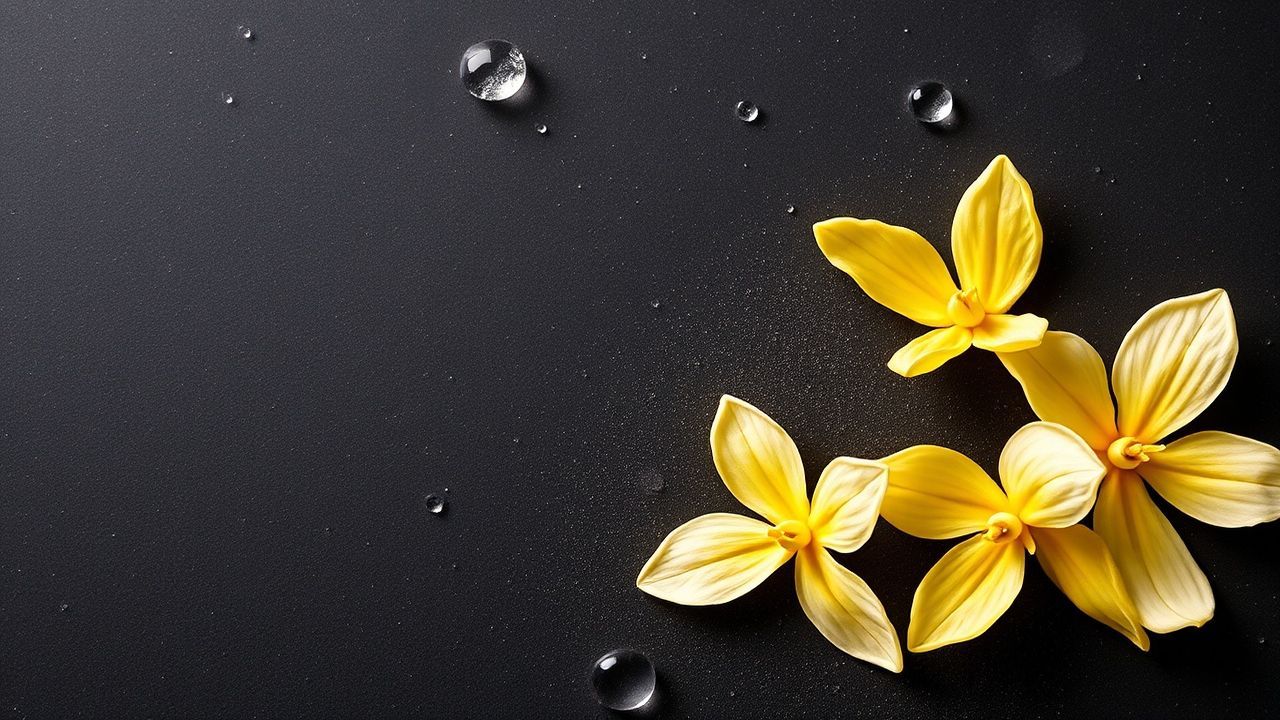

In kitchens around the world, a single aroma transforms simple ingredients into memorable desserts: vanilla. At the molecular level, that aroma centers on vanillin, the compound that most people identify as vanilla. Understanding the science behind vanillin is key to unlocking its full potential in culinary and industrial applications. The molecule known as vanillin is the primary driver of the characteristic scent of vanilla.
- Vanillin is the dominant aroma compound in cured vanilla beans.
- Natural vanillin forms during curing from larger precursors in the pod.
- Synthetic routes recreate vanillin affordably from lignin or guaiacol.
- Chefs and formulators balance vanillin with minor compounds for depth.
What vanillin is and how it signals “vanilla”
Vanillin is a small aromatic molecule with an aldehyde group, a methoxy group, and a hydroxyl on a benzene ring. These functional groups define its volatility and how olfactory receptors detect it. The specific arrangement of these groups in the vanillin molecule is crucial for its characteristic scent.
Because the molecule fits specific human olfactory receptors, it triggers the warm, sweet notes we call vanilla. For a technical reference, see the vanillin entry on Wikipedia: Vanillin. This interaction exemplifies how molecular structure dictates sensory perception.
Functional groups and receptor interaction
The aldehyde group increases reactivity and contributes to the molecule’s characteristic top note. Meanwhile, the methoxy and hydroxyl groups shape hydrogen bonding with receptors and influence perceived sweetness. These chemical properties are fundamental to the overall aroma profile of vanillin.
These interactions explain why pure vanillin smells familiar yet thinner than a whole vanilla extract, because other co-occurring compounds modulate the sensory signal. The synergy of molecules is vital for a rich vanilla experience.
Why structure matters
A small structural change can shift aroma dramatically. Substituting one functional group for another alters receptor affinity and volatility. This highlights the sensitivity of our noses to subtle chemical variations.
Therefore, formulators test analogues to reproduce or modify vanilla-like notes for food and fragrance applications. Exploring structural modifications helps in creating novel flavor and scent experiences, all stemming from the core vanillin structure.
Natural origin and biosynthesis in the bean
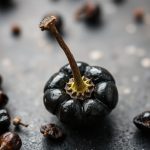
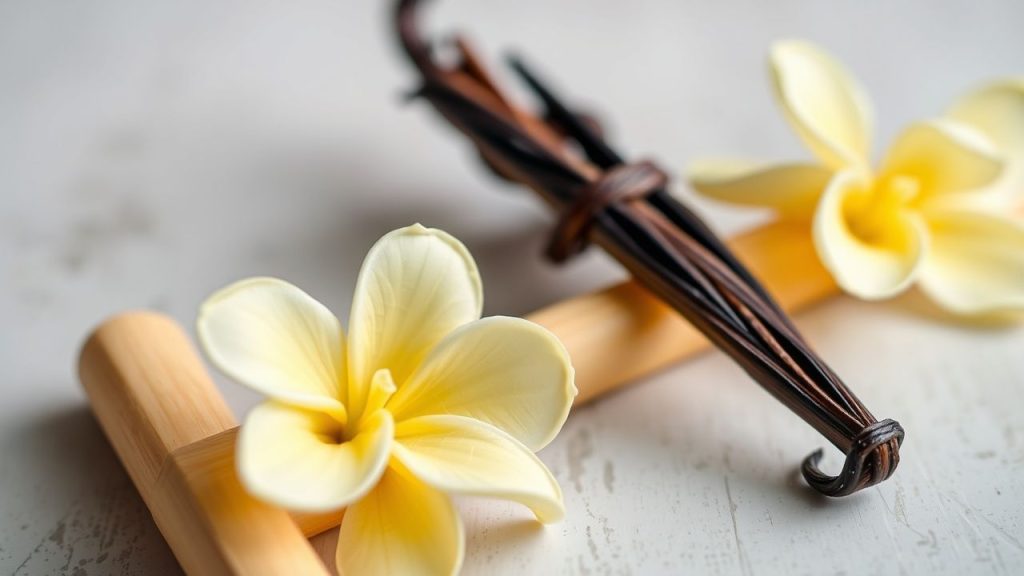
Vanillin forms in the cured seed pods of the vanilla orchid, most commonly Vanilla planifolia. Enzymes break down larger, nonvolatile precursors during drying and aging, releasing free vanillin. This natural process is proof of the complex biochemistry of plants.
For background on the plant itself, consult Wikipedia: Vanilla planifolia. The plant’s biochemistry supplies the precursors that later yield vanillin. The journey from precursor to the final vanillin molecule is a fascinating example of natural synthesis.
The curing process—solar drying, sweating, and slow conditioning—initiates enzymatic pathways. Heat and controlled moisture let bound phenolic compounds hydrolyze into vanillin. This intricate process is what gives natural vanilla its prized complexity.
Consequently, manual curing methods produce beans with complex aromatic profiles. The same bean can yield very different aromas depending on the curing schedule and environment, showcasing the nuanced formation of vanillin.
Synthetic vanillin: routes and industrial practice
Commercial vanillin often comes from chemical synthesis. Two major feedstocks are lignin, a woody polymer, and guaiacol, an aromatic building block. These synthetic routes provide a cost-effective alternative for producing vanillin.
For a technical primer on lignin chemistry, see Wikipedia: Lignin. For guaiacol background, see Wikipedia: Guaiacol. Both lignin and guaiacol are abundant natural resources that can be transformed into vanillin.
Industrial processes oxidize or modify these precursors to yield vanillin at scale. Producers select routes based on cost, feedstock availability, and regulatory considerations. The efficiency of these processes ensures a steady supply of vanillin for global markets.
Therefore, synthetic vanillin keeps food budgets manageable and supports large-scale product manufacturing. However, synthetic vanillin lacks minor natural compounds that give real vanilla depth. The pure vanillin molecule, while potent, doesn’t replicate the full spectrum of natural vanilla.
Comparing natural and synthetic vanillin
Natural vanilla extract contains hundreds of volatile compounds that collaborate with vanillin to create complex aroma. Synthetic vanillin supplies the dominant note but not the full profile. The difference lies in the presence of these synergistic compounds alongside the primary vanillin.
For product labeling and sensory goals, manufacturers decide whether to use pure vanillin, vanilla extract, or a blend to balance cost and authenticity. This decision impacts the final product’s flavor and aroma characteristics.
Flavor complexity: supporting compounds and sensory synergy
Beyond vanillin, beans contain phenolic acids, aldehydes, alcohols, and glycosides that add smoky, spicy, and creamy facets. These compounds interact perceptually to produce a unified vanilla note. The interplay of these elements is what makes natural vanilla so rich and satisfying.
Consequently, a chef who uses only synthetic vanillin may find baked goods smell one-dimensional. Adding minor natural extracts or using whole beans restores nuance. Understanding these supporting compounds helps in achieving a more authentic vanilla flavor.
Moreover, Maillard reaction products in baked goods form new aroma compounds that merge with vanillin, changing perceived sweetness and warmth. Therefore timing and temperature in cooking affect how vanillin presents. This dynamic interaction is crucial for successful baking.
Practical implications for chefs and formulators
Chefs must think beyond a single ingredient. Use bean seeds, extract, and occasional vanillin concentrates to balance aroma intensity and depth. Adjust ratios by testing in the final matrix rather than relying on smell alone. This approach ensures the best flavor outcomes.
Formulators in food and fragrance need to control volatility and stability. Encapsulation or using less-volatile co-solvents can protect vanillin from loss during processing and storage. This ensures the longevity of the vanillin aroma in products.
Use internal resources for formulation notes when creating blends. See our internal vanilla curing guide for hands-on steps: vanilla curing guide. For a head-to-head comparison, explore vanillin vs vanilla. These resources provide valuable insights into working with vanillin and its natural counterpart.
Analytical methods and quality control
Quantifying vanillin requires gas chromatography or high-performance liquid chromatography. These methods separate vanillin from co-extracted materials for accurate measurement. Such analytical precision is vital for consistent product quality.
Quality control also checks for contaminants and verifies source claims. Adherence to defined methods protects product integrity and consumer trust. Ensuring the purity and authenticity of vanillin is paramount.
Common analytical checks
Laboratories routinely measure vanillin concentration, impurities, and moisture content. They also run sensory panels to align chemical data with human perception. This comprehensive approach guarantees the best sensory experience from vanillin.
Therefore, combine instrumental analysis with trained tasting panels for robust quality decisions. This dual approach yields both objective and subjective assurance. It’s a holistic method for evaluating the quality of vanillin and vanilla products.
FAQ
What exactly gives vanilla its smell?
The dominant contributor is vanillin, an aromatic aldehyde. However, many secondary compounds in cured beans shape the full sensory experience. These minor components, working in concert with vanillin, create the complex aroma we associate with vanilla.
Is synthetic vanillin the same as natural?
Chemically, synthetic vanillin is identical at the molecular level. Yet, natural extracts contain additional volatiles that synthetic vanillin lacks, creating a different sensory profile. The distinction is in the overall aromatic complexity, not just the primary vanillin molecule.
How does curing affect vanillin levels?
Curing activates enzymatic breakdown of precursors into free vanillin. Longer or improper curing can reduce yield or shift the balance of minor compounds. The curing process is critical for developing the characteristic flavor and aroma profile of vanillin.
Can I substitute vanillin for vanilla extract in recipes?
Yes, you can substitute for the primary aroma, but expect a simpler scent. For best results, blend vanillin with a small amount of extract to add depth. This allows you to enjoy the cost benefits of vanillin while still achieving a more authentic vanilla flavor.
How should vanillin be stored?
Store vanillin and extracts in airtight containers, away from heat and light. Controlled storage slows oxidation and preserves aroma integrity. Proper storage ensures the potency and quality of vanillin over time.
By focusing on the molecule and its context, professionals can design better flavors, maintain quality, and use vanilla resources wisely. The chemistry of vanillin informs both culinary technique and industrial formulation, making it a fascinating subject for anyone interested in flavor and aroma.
See also: vanillin