

Custard transforms simple ingredients into a silky, spoonable result through a precise biochemical change: egg protein coagulation. This conversion depends on controlled heat, ingredient ratios, and gentle technique to produce a smooth gel rather than a grainy curd.
- How egg proteins create custard
- Temperature control: the decisive variable
- How milk, sugar, and fat change coagulation
- Technique checklist to avoid curdling
- Recipe adjustments and ingredient swaps
- Troubleshooting: fixes for common problems
- FAQ
- What exactly causes custard to thicken?
- What temperatures should I aim for when making custard?
- Why add sugar or starch to a custard?
- How do I fix a grainy or curdled custard?
- Are there reliable visual cues when custard is done?
- Further reading and related resources
- Egg proteins denature and form networks that trap water and fat, creating custard structure.
- Temperature ranges matter: egg whites and yolks set at different points; steady heat prevents curdling.
- Milk and sugar modify setting: they raise the temperature needed to coagulate and soften the texture.
- Technique beats guesswork: tempering, water baths, and low heat yield reliable results.
How egg proteins create custard
Eggs contain multiple protein types that behave differently under heat. When heated, proteins unfold and expose sticky regions that form new bonds, creating a three-dimensional network that sets the mixture.
This process — protein denaturation — is central to many food textures and is well described in biochemical literature. For background, see protein denaturation and general protein structure at protein.
Temperature control: the decisive variable
Different egg fractions coagulate at different temperatures. Egg whites begin to set around 62°C (144°F). Yolks gel between roughly 65–70°C (149–158°F). Combining yolks and whites therefore creates a setting range rather than a single point.
To achieve a silky custard, target a final mixture temperature near the yolk setting range but below the point where proteins squeeze out moisture. Keep heat steady and slow to let proteins align into a fine, flexible gel rather than forming tight, grainy clumps.
Practical staging and thermometer use
Use an instant-read probe to monitor custard temperature. Remove the pan from heat when the custard reads 75–80°C (167–176°F) if you plan to finish in a water bath; this avoids overshoot while giving a stable final set.
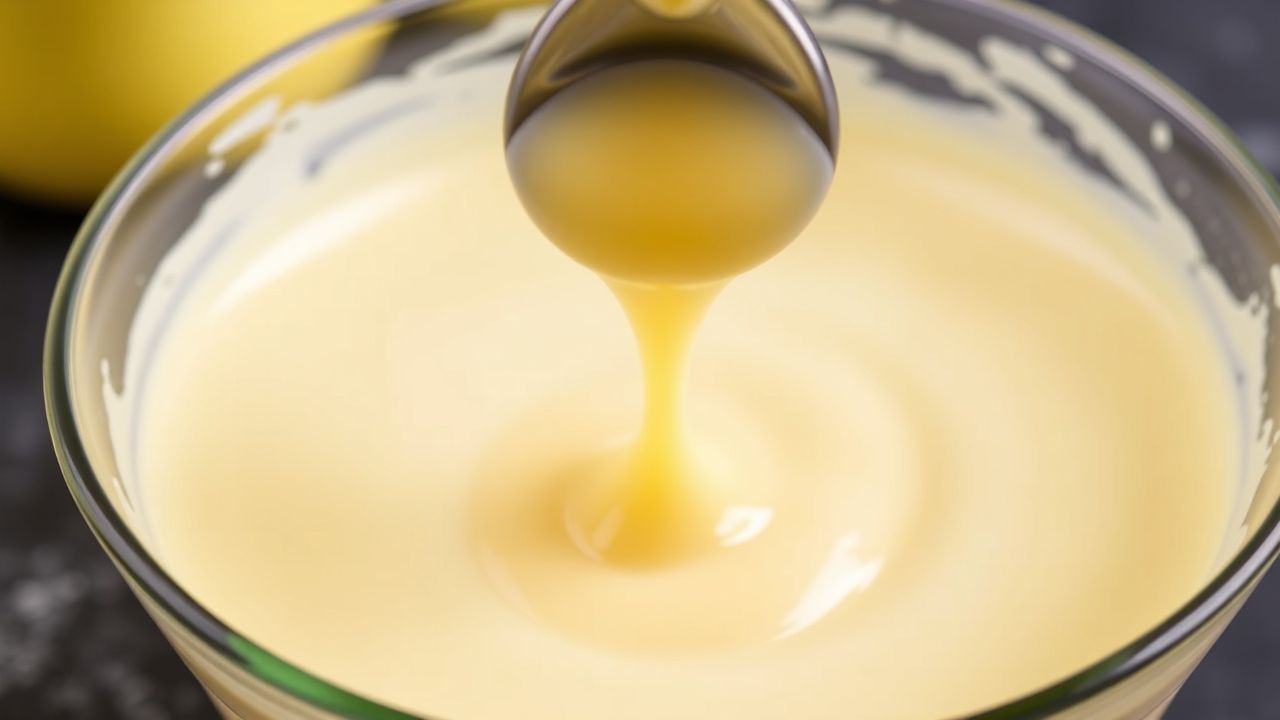
Alternatively, look for visual cues: a light coat on a spatula or a slow jiggle in the center indicates near-set. Combine visual cues with temperature data for best results.
How milk, sugar, and fat change coagulation
Milk dilutes egg proteins and introduces dairy proteins and lactose, which change how the egg network forms. Fats from cream or egg yolks lubricate the network and reduce toughness.
Sugar binds water and competes with proteins for hydration. That competition raises the temperature at which proteins coagulate, giving a wider margin for gentle heating. For context on the ingredient custard itself, see custard.
Role of stabilizers and emulsifiers
Starches (like cornstarch) and commercial stabilizers form a parallel network that supports the protein gel and limits syneresis (water weeping). These additives let you push texture toward a firmer, spoonable custard without overcooking eggs.
Likewise, emulsifiers present in egg yolks improve texture by distributing fat evenly. Adjust fat and starch cautiously to preserve the classic creamy mouthfeel.
Common milk chemistry: whole milk vs. cream shifts final mouthfeel and setting temperature. Whole milk yields a lighter set, while higher cream content gives richness and a denser gel. See the role of dairy at milk.
Technique checklist to avoid curdling
Work with low, steady heat. Rapid boiling forces proteins to contract quickly and expel water, producing a grainy texture. Gentle conduction wins every time.
Tempering—slowly bringing eggs to the temperature of hot milk—prevents shock that causes immediate coagulation. For a focused technique primer, follow a step that mirrors standard tempering practices in pastry kitchens.
[h3]Tools and methods for consistent results[/h3]
Use a heavy-bottomed saucepan for even heat distribution and a silicone spatula for continuous stirring. A water bath (bain-marie) stabilizes temperature during baking and prevents hot spots.
Straining finished custard through a fine sieve removes any stray coagulated bits and guarantees a silky finish. Combine these physical steps with precise timing for repeatable outcomes.
When you cool custard, do so slowly at first to prevent surface cracking. Cover with plastic film touching the custard surface to avoid a skin forming while it reaches refrigerator temperature.
Recipe adjustments and ingredient swaps
Use extra yolks to increase richness and stability. Yolks add both fat and lecithin, which strengthens the emulsion and yields a denser custard with a glossy surface.
To make a pourable crème anglaise versus a spoonable flan, change the egg-to-dairy ratio: fewer eggs and more milk produce a looser sauce; more eggs and less liquid produce a firmer set.
Troubleshooting: fixes for common problems
If custard curdles, rescue it by removing from heat immediately and whisking in a small amount of warm milk or cream off-heat. Reheat gently while whisking to coax the network into a smoother form.
If the custard weeps liquid after cooling (syneresis), introduce a small amount of starch next time or reduce bake temperature slightly. Both measures limit water separation by reinforcing the gel network.
Consider egg selection: fresh hen eggs give a predictable set. Duck or goose eggs offer higher protein and fat content, which increases firmness and creaminess; adjust liquid ratios when using them.
FAQ
What exactly causes custard to thicken?
Custard thickens because heat causes egg proteins to unfold (denature) and then bond into a mesh that traps water and fat. That mesh raises viscosity and produces the final set.
What temperatures should I aim for when making custard?
Target the yolk coagulation range: roughly 65–70°C (149–158°F) for a classic set. For custard sauces, stay closer to the lower end and finish off-heat.
Why add sugar or starch to a custard?
Sugar raises the coagulation temperature and enhances sweetness. Starch acts as a stabilizer, creating a firmer gel and reducing the chance of weeping.
How do I fix a grainy or curdled custard?
Remove heat and whisk in a little warm liquid. Strain the mixture and reheat gently while stirring. If salvage fails, use it as a base for a baked pudding with added starch.
Are there reliable visual cues when custard is done?
Yes. A thin film on a spoon or a gentle wobble in the center are visual cues. Pair those with a thermometer for the most consistent results.
Further reading and related resources
For foundational reading on eggs and food science, see the general egg entry at egg (food). These resources explain the biological and culinary background that underpins custard chemistry.
Explore recipe-level guidance for practical techniques via our internal technique guide: tempering eggs and a tested base formula at classic custard recipe. These internal pages include step-by-step photos and timing targets.
See also: custard