
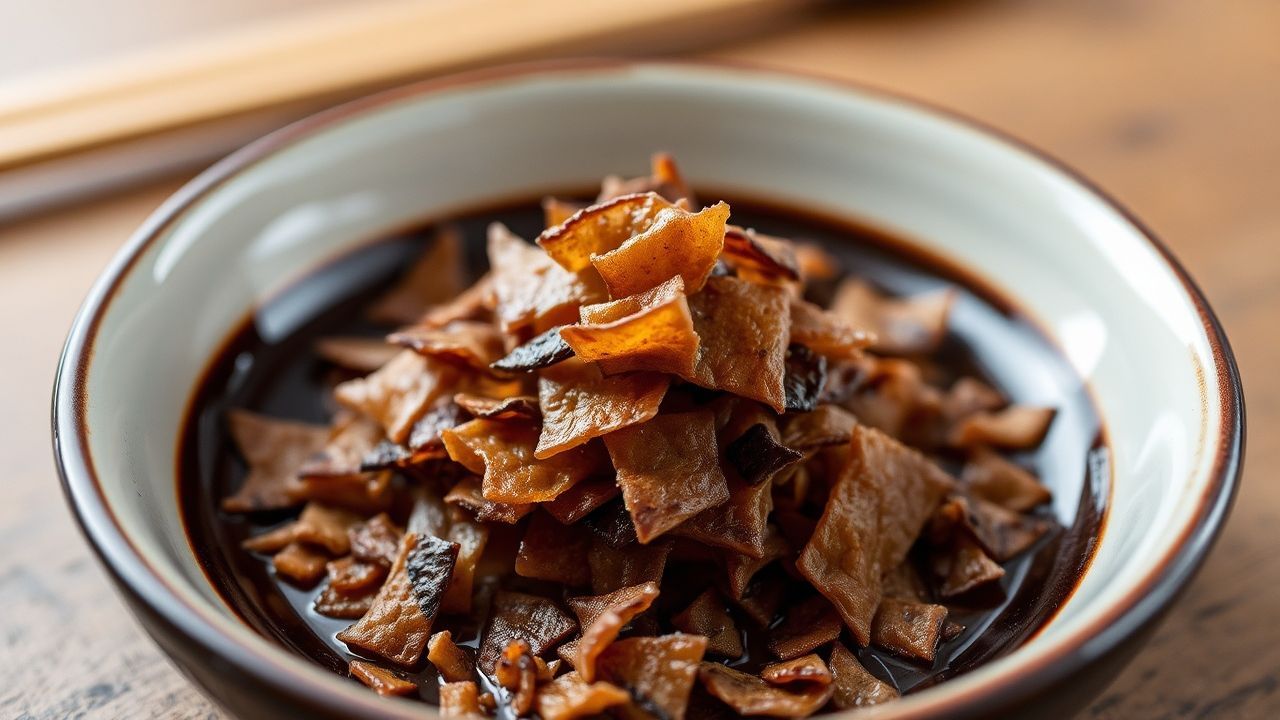

Bonito flakes—known in Japan as katsuobushi—deliver concentrated savory flavor that chefs prize for depth and nuance. These dried, smoked shavings function as an umami accelerator and a finishing flourish across traditional and modern kitchens.
- Concentrated umami: Katsuobushi builds flavor quickly without fat.
- Versatile: Use as dashi base, garnish, or seasoning in fusion recipes.
- Storage tip: Keep flakes airtight and cool to preserve aroma.
- Technique: Steep briefly for clean dashi, add late for texture.
What Bonito Flakes Are and Why They Matter
Bonito flakes come from fillets of skipjack tuna that skilled producers smoke, ferment, and dry until firm and intensely flavored. Because of this process, katsuobushi concentrates amino acids such as glutamate that create the sensation called umami.
Chefs rely on katsuobushi for layered savory notes that amplify other ingredients rather than mask them. For background on the stock most commonly made with these flakes, see dashi.
Prep and Cook Time
Preparation: 10 minutes. Cooking: 15 minutes. These times assume you assemble a basic dashi using kombu and bonito flakes.
Allow 30 minutes for kombu to hydrate if you plan a cold soak, which yields a cleaner mineral backbone. For a fast finish, steep bonito flakes briefly and strain immediately to avoid bitterness.
Yield
This recipe yields about 4 cups of dashi, which serves 4 as a broth or more when used as a flavoring agent. You can scale the ratio of flakes to water for a lighter or stronger stock.
Freeze unused portions in ice cube trays for single-use flavor boosts. Cubed dashi defrosts quickly and ensures consistent seasoning across dishes.
Difficulty Level
Easy. The technique focuses on gentle heat control and timing rather than complex skills. Even beginners can achieve professional results with attention to steeping times and storage.
Experienced cooks will appreciate how small adjustments—timing, kombu quality, or type of bonito—shift aroma and umami balance. Test small batches to refine the profile you prefer.
Ingredients
1 cup bonito flakes (katsuobushi); 4 cups water; 1 piece kombu (about 4-inch square); optionally 2 tbsp soy sauce and 1 tsp mirin.
Use filtered water for clarity and mild mineral balance, and choose authentic kombu for oceanic depth. For further reading on kombu varieties, consult the kelp resource on Kombu.
Instructions
1. Wipe kombu with a damp cloth to remove surface salt. Soak kombu in cold water for 30 minutes to extract umami slowly.
2. Heat gently to just below boiling; remove kombu at first bubble to prevent bitterness. Immediately add bonito flakes, turn off heat, and steep for five minutes.
3. Strain through a fine sieve or cheesecloth, pressing gently to collect flavor without clouding the broth. Season with soy sauce and mirin to taste, if desired.
4. Use dashi immediately for soups, sauces, or simmered dishes. Cool and refrigerate for up to 48 hours or freeze for longer storage and convenience.
Chef’s Notes & Tips for Success
Choose quality flakes: Seek light-colored, thin shavings with a clean smoky aroma; they yield brighter dashi. Thicker, darker flakes may indicate heavier smoking and a different flavor profile.
Timing is critical: Oversteeping produces bitter notes. For balanced umami, steep bonito flakes just long enough to turn the water clear amber, then strain.
For make-ahead strategies, portion dashi into 1/2-cup increments and freeze. This method gives precise control when you need a burst of umami without defrosting a full batch.
Try powdered bonito sparingly as a seasoning; use flakes for garnish to preserve texture and aroma. Also, link internal resources for technique and context: see our how to make dashi guide and the Japanese Ingredients Guide for paired components.
Serving Suggestions
Use dashi as the base for miso soup with tofu and wakame, or as a delicate poaching liquid for seasonal fish. Bonito flakes also finish okonomiyaki, takoyaki, or simply steamed rice for an immediate umami lift.
For nontraditional uses, sprinkle flakes on roasted vegetables, popcorn, or creamy mashed potatoes to add smoky depth. They play well with butter, citrus, and acid-driven condiments.
Nutritional Information per Serving
Per serving: approximately 15 kcal, 3 g protein, negligible fat and carbohydrates. Katsuobushi contributes concentrated flavor with minimal calories, useful for low-fat seasoning strategies.
Because bonito flakes add flavor without bulk, they help reduce reliance on salt and heavy fats. Adjust soy sauce to control sodium while retaining umami complexity.
Practical Uses: Seven Proven Applications
1. Traditional dashi base for soups and stews, where flakes supply the core savory foundation. Use as you would stock, but with lighter body and sharper aroma.
2. Garnish that moves: add flakes to hot dishes where they will visibly ripple, enhancing aroma and presentation. Their motion signals freshness and heat to diners.
3. Seasoning powder: pulse small amounts in a spice grinder to dust roasted vegetables or popcorn. This yields a dry umami boost that integrates without altering texture.
4. Infused oils and sauces: steep flakes briefly in warm oil or mix into vinaigrettes for a savory backbone. Strain to keep oils clear and aromatic.
5. Fusion finishing: fold into butter, mayonnaise, or compound spreads to elevate sandwiches, grilled fish, or roasted meats. A little goes a long way.
6. Fermentation partner: incorporate into pickling brines or fermented condiments to introduce savory complexity and support microbial flavors. Use cautiously to avoid overpowering delicate ferments.
7. Umami pairing for vegetables and grains: mix a pinch into mashed root vegetables or grain salads to bridge flavors and reduce need for added salt.
FAQ
What is the difference between katsuobushi and typical bonito flakes?
Katsuobushi refers to traditionally fermented and cured bonito, which develops deeper umami via microbial action. Commercial flakes may be smoked and dried without fermentation, resulting in milder, smokier notes.
How should I store bonito flakes to maintain peak flavor?
Store in an airtight container in the refrigerator away from light and moisture. For long-term storage, vacuum-seal and freeze; thaw briefly at room temperature before use to avoid condensation.
Can bonito flakes be used in non-Japanese cuisine?
Yes. Bonito flakes serve as a universal umami enhancer in pastas, sauces, roasted vegetables, and snacks. Their smoky, savory profile complements fatty and acidic elements across cuisines.
Are there vegetarian alternatives to katsuobushi for umami?
Yes. Kombu and dried shiitake mushrooms provide glutamate-rich umami without animal ingredients. Use a kombu-shiitake dashi to replicate depth while remaining vegetarian.
How do I make dashi stronger or lighter?
Adjust the ratio of bonito flakes to water and vary steep time. For lighter dashi, reduce flakes and steep briefly. For stronger stock, increase flakes slightly and monitor to avoid bitterness.
For additional techniques and recipes that incorporate katsuobushi, consult internal resources such as the Japanese Ingredients Guide and our step-by-step how to make dashi page.
See also: bonito flakes