
By using this site, you agree to the Privacy Policy and Terms of Use.
Accept
CookOrBitCookOrBitCookOrBit
  • Home
  • About Us
  • Ingredient Science
    • Flavor & Aroma
    • Protein Chemistry
    • Sugar & Starch
    • Fats & Emulsions
  • Cooking Techniques
    • Searing & Grilling
    • Baking & Roasting
    • Boiling & Steaming
    • Low & Slow
  • Kitchen Experiments
    • DIY Ferments
    • Flavor Tests
    • Gadget Testing
    • Molecular Gastronomy
  • Food Myths
    • Searing Myth
    • 5-Second Rule
    • MSG Myths
    • Microwave Myths
  • Tools
  • More
    • Extra Picks
    • Quick & Easy
      • Breakfast Ideas
      • Desserts
      • Snacks
      • Soups
    • Global Flavors
      • Asian Street Eats
      • Latin Comforts
      • Mexican Flavors
      • Modern Mediterranean
CookOrBitCookOrBit
  • Home
  • About Us
  • Ingredient Science
  • Cooking Techniques
  • Kitchen Experiments
  • Food Myths
  • Tools
  • More
Search
  • Home
  • About Us
  • Ingredient Science
    • Flavor & Aroma
    • Protein Chemistry
    • Sugar & Starch
    • Fats & Emulsions
  • Cooking Techniques
    • Searing & Grilling
    • Baking & Roasting
    • Boiling & Steaming
    • Low & Slow
  • Kitchen Experiments
    • DIY Ferments
    • Flavor Tests
    • Gadget Testing
    • Molecular Gastronomy
  • Food Myths
    • Searing Myth
    • 5-Second Rule
    • MSG Myths
    • Microwave Myths
  • Tools
  • More
    • Extra Picks
    • Quick & Easy
    • Global Flavors
Follow US
  • Advertising Policy: 10 Practical Rules for Safe, Compliant Ads
  • Contact Us
  • Cookie Policy: Clear Guide for Site Owners
  • Copyright Notice Guide: 7 Essential Rules for Website Owners
  • Disclaimer
  • Privacy Policy
  • Terms of Service
By Fimaw.com
- Acid-Set Cheese Unveiled: The Magic Behind Ricotta
CookOrBit > Blog > Ingredient Science > Protein Chemistry > Ricotta Revealed: 7 Expert Secrets to Perfect Acid-Set Cheese
Protein Chemistry

Ricotta Revealed: 7 Expert Secrets to Perfect Acid-Set Cheese

William J. Kroll
By William J. Kroll
Published: October 3, 2025
Share
SHARE

Acid-Set Cheese Unveiled: ricotta distills a simple chemical change into a delicate, creamy cheese. This guide explains the science, the steps, and the practical tips I use as a professional cheesemaker to make consistent, fresh ricotta at home.

Contents
  • What is acid-set cheese?
  • Ingredients and equipment
  • The role of acid in setting ricotta
  • Step-by-step method
    • Heating and acidification
    • Draining, seasoning, and storage
  • Tips for success: professional notes
  • Safety and storage
  • Serving suggestions and culinary uses
  • Nutrition snapshot
  • Resources and further reading
  • FAQ
    • What is the simplest acid to use for ricotta?
    • Can I use low-fat milk to make ricotta?
    • Why did my ricotta turn out grainy?
    • How long can I store fresh ricotta?
    • Is ricotta the same when made from whey versus whole milk?
  • Key takeaways: Acid converts milk proteins into curds quickly and predictably.
  • Timing and temperature control texture more than the acid choice does.
  • Quality milk yields silkier curds; avoid ultra-pasteurized dairy.
  • Simple tools and 30–40 minutes produce 2 cups of fresh ricotta.

What is acid-set cheese?

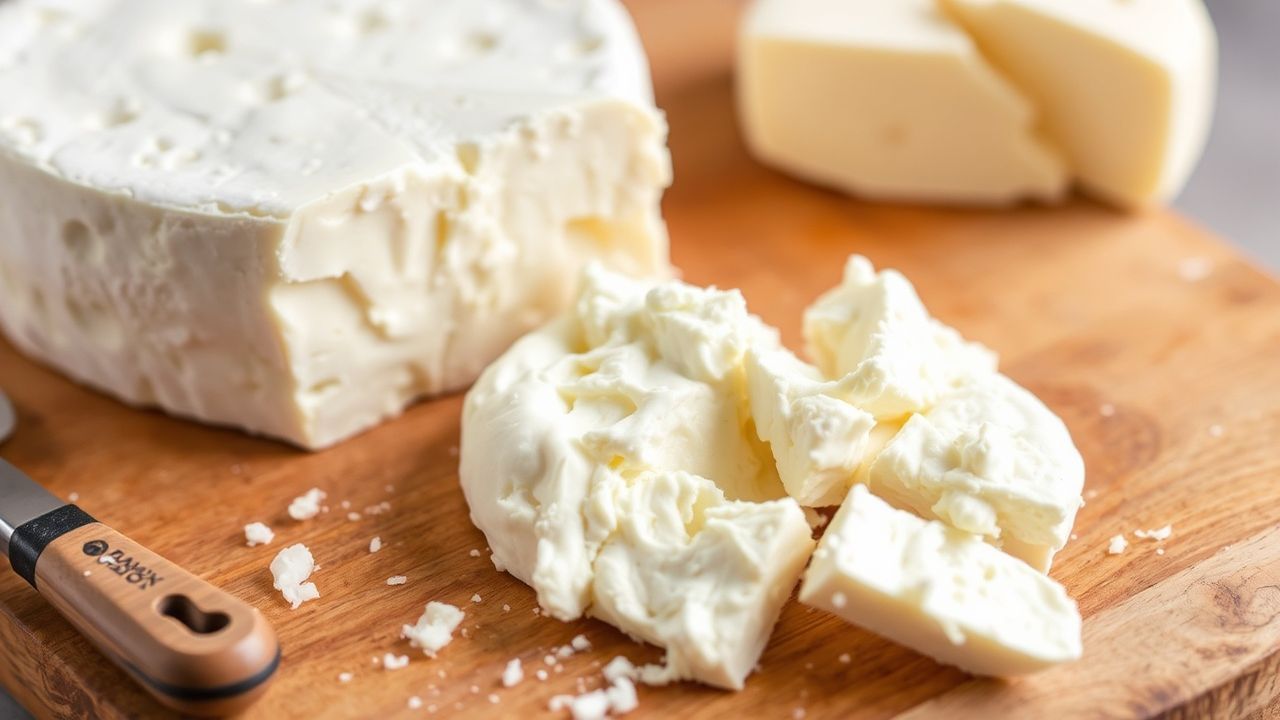
Acid-set cheese forms when an acid lowers milk pH so proteins coagulate into curds. Ricotta is a classic example, traditionally made from whey or milk and known for its fine, moist curds.

For context, review the fundamentals of cheese making and the specific entry for ricotta to understand historical methods. These resources clarify why acid-set and rennet-set cheeses feel and behave differently.

- Advertisement -

Ingredients and equipment

Use fresh whole milk and optional cream for a richer mouthfeel. Typical proportions are 4 cups whole milk plus 1 cup heavy cream; use 3 tablespoons lemon juice or an equivalent acid by weight.

Equip yourself with a heavy-bottomed saucepan, an instant-read thermometer, a fine-mesh strainer, and cheesecloth. Also consult our internal guides for related recipes: Homemade Cheese Basics and Ricotta Recipes for serving ideas and variations.

The role of acid in setting ricotta

The acid lowers pH and disrupts the casein micelle structure so proteins aggregate. This process differs from enzymatic coagulation and yields lighter, more hydrated curds that define ricotta’s texture.

- Advertisement -

To deepen your technical grasp, see the entries on casein and whey. Understanding these proteins explains why heating and acid timing control curd size and moisture.

Step-by-step method

First, combine milk and cream in a wide saucepan. Heat slowly and monitor temperature with a thermometer; aim for about 185°F (85°C) to denature proteins without scorching.

Next, remove the pot from heat and add the acid slowly while stirring. You should see curds form within seconds; then let the mixture rest undisturbed for about 10 minutes so curds finish developing.

- Advertisement -

Heating and acidification

Heat evenly over medium, stirring occasionally to prevent hot spots and a scorched flavor. When the thermometer reads 185°F (85°C), remove from heat to avoid overcooking; then add your acid in a slow, controlled stream.

Allow the curds to settle without disturbing the pot. A 10-minute rest consolidates curd structure and separates whey; this rest determines curd firmness and final texture.

Draining, seasoning, and storage

Line a fine-mesh strainer with cheesecloth and set it over a bowl. Ladle curds into the strainer and allow them to drain 20–30 minutes for a creamy ricotta; extend draining for firmer cheese suitable for baking.

Finish with ½ teaspoon salt or to taste, then refrigerate in an airtight container. Consume within 3–4 days for best freshness and texture; bring to room temperature briefly before serving to restore creaminess.

Tips for success: professional notes

Quality of milk affects curd formation. Farm-fresh whole milk yields richer, silkier curds; ultra-pasteurized milk often fails to set properly due to protein denaturation during processing.

Control temperature more than the exact acid. Consistent heat produces uniform curds; too-hot milk yields grainy curds, while too-cool milk reduces yield. Adjust acid volume slightly if you use dairy with variable acidity.

💡 Expert Insight
Expert Insight: If you want reproducible results, weigh your acid (citric acid is easiest to dose) and record the exact temperatures and drain times. Small changes make predictable differences.

Use acid thoughtfully: lemon juice adds bright citrus notes, white vinegar adds a sharper tang, and citric acid provides neutral acidity with precise pH control. Pick based on intended flavor profile.

Safety and storage

Keep ricotta refrigerated below 40°F (4°C) and use clean utensils to avoid cross-contamination. Fresh cheeses have higher water activity and therefore shorter shelf life than aged cheeses.

When in doubt, smell and inspect the cheese; off-odors or visible spoilage mean discard. Never taste-test a product that shows mold or unusual texture changes.

⚠️ Pro-Caution
Pro-Caution: Because fresh ricotta is not aged, it lacks the microbial stability of matured cheeses. Store at proper refrigeration temperatures and consume within 3–4 days to avoid foodborne illness.

Serving suggestions and culinary uses

Ricotta pairs with both sweet and savory preparations. Spoon it over warm pasta, spread it on toast with olive oil and herbs, or fold it into dessert batters for tender crumb and moisture.

Try a simple plating: a dollop of ricotta finished with olive oil, flaky salt, and fresh herbs. For desserts, blend ricotta with a little honey and vanilla as a lighter alternative to cream cheese.

Nutrition snapshot

Ricotta provides a balance of protein and fat with modest carbohydrates. A typical 1/4 cup (50 g) portion contains roughly 100 calories, 6 g protein, 7 g fat, and 2 g carbohydrate, depending on milkfat used.

Because ricotta often comes from whey or milk with cream added, fat content varies. Choose low-fat milk for a leaner ricotta, or add cream for richer texture and mouthfeel.

Nutrient Amount per ¼ cup (50g)
Calories 100
Protein 6 g
Carbohydrates 2 g
Fat 7 g

Resources and further reading

For practical chemistry about curd formation and milk proteins, consult the casein article and the whey entry. These explain why ricotta from whey tastes and feels different from whole-milk ricotta.

Combine that reading with hands-on practice. For basic techniques and related recipes, visit our internal pages Homemade Cheese Basics and Ricotta Recipes to expand your repertoire.

FAQ

What is the simplest acid to use for ricotta?

Lemon juice is the most accessible and pleasant-tasting option for home cooks. It produces a bright flavor and works reliably when measured and added gradually.

Can I use low-fat milk to make ricotta?

Yes; low-fat milk will produce ricotta with less richness and a slightly grainier texture. Add some cream if you want a silkier result without full-fat milk.

Why did my ricotta turn out grainy?

Graininess usually results from overheating or using ultra-pasteurized milk. Heat evenly to 185°F (85°C) and use fresh whole milk for the best texture.

How long can I store fresh ricotta?

Store ricotta in an airtight container in the refrigerator for 3–4 days. Always use clean utensils, and discard if you detect off-odors or visible spoilage.

Is ricotta the same when made from whey versus whole milk?

Traditional whey ricotta has a lighter, grainier curd because it captures albumin and globulin proteins left after other cheeses are made. Whole-milk ricotta is creamier and richer due to higher fat and casein content.

See also: ricotta
Frozen Dinners Tested: 7 Expert Findings on Cheap vs Premium Meals
7 Surprising Effects When You Skip Kneading (The Untold Dough)
Beef Stew: Hearty Beef & Broccoli Stew
7 Practical Family Techniques to Bring New Habits Home
7 Expert Steps to Fluffy Rice: Master the Perfect Cooking Method
TAGGED:acid set cheeseandcheesecheesemaking techniquescurd formationdairy tipshomemade ricottamagicMilk proteinsricottaRicotta makingthe
Share This Article
Facebook Pinterest Whatsapp Whatsapp LinkedIn Telegram Threads
What do you think?
Love0
Sad0
Happy0
Sleepy0
Angry0
Dead0
Wink0
Previous Article - Unlocking Allicin: The Science Behind Garlic's Pungent Punch Allicin Unlocked: 7 Science-Backed Facts About Garlic’s Pungent Punch
Next Article - The Muffin Mix-Up: What Happens When You Over-Mix? Muffin Mix-Up: 7 Ways Over-Mixing Ruins Texture (Expert Fixes)
Hearty Chicken and Rice Soup: Comfort in Every Bowl
7 Pro Tips for Hearty Chicken Soup
Extra Picks
Sizzling Beef and Broccoli Skillet: Quick, Flavorful Feast
10-Min Beef Broccoli Skillet — Fast, Flavorful
Extra Picks
Savory Secrets to Perfectly Creamy Garlic Chicken Delight
7 Savory Secrets for Perfectly Creamy Garlic Chicken Delight
Extra Picks
Hearty Turkey & Vegetable Soup: Nourish Your Body and Soul
7 Proven Reasons Turkey Soup Nourishes Body and Soul
Extra Picks

Tags

and art baked baking science baking techniques Baking tips batch cooking beef behind butternut squash caramelization cast iron skillet chemistry chicken comfort food Cooking science cooking technique Cooking techniques Cooking tips crafting creamy creamy soup crispy culinary science fish flavor flavor chemistry food food safety Food science for garlic golden Ground turkey hearty heat high-heat cooking high protein meals how instant read thermometer lactic acid bacteria Lean protein magic Maillard reaction make ahead meals make ahead soup mastering meal prep Meal prep recipes meat thermometer microwave microwave cooking moisture control one pot meals Pan searing perfect perfectly Plant based protein Probe thermometer protein denaturation roasted roasted squash roasted tomato soup Roasted vegetables Roasting techniques Roux technique savor savory science Searing technique Searing techniques secrets slow cooking squash steak steak cooking sweet temperature control the top turkey turkey soup turkey stew ultimate umami cooking umami flavor unlock unlocking unveiling vegetable velvety weeknight dinner Weeknight dinners weeknight meals what when why with your zesty
March 2026
M T W T F S S
 1
2345678
9101112131415
16171819202122
23242526272829
3031  
« Feb    

You Might Also Like

Mastering the Magic: The Science Behind Reverse Searing Steak
Searing & Grilling

Mastering Reverse Searing: 7 Expert Steps for Perfect Steak

William J. Kroll
William J. Kroll
December 19, 2025
Warm Up with Zesty Roasted Carrot and Ginger Soup Delight
Extra Picks

7 Pro Tips for Zesty Roasted Carrot Soup with Ginger

William J. Kroll
William J. Kroll
February 2, 2026
Sweet & Savory Slow Cooker Honey Garlic Beef Recipe Guide
Extra Picks

7-Pro Tips: Sweet & Savory Slow Cooker Honey Garlic Beef

William J. Kroll
William J. Kroll
February 1, 2026
Energize Your Day with a Vibrant Roasted Root Bowl
Extra Picks

7 Energizing Benefits of a Vibrant Roasted Root Bowl

William J. Kroll
William J. Kroll
January 29, 2026
Hearty Chickpea & Spinach Curry: A Nutritious Flavor Boost
Extra Picks

7-Step Hearty Chickpea Curry: Spinach-Packed Flavor Boost

William J. Kroll
William J. Kroll
January 15, 2026
Hearty Beef and Rice Stew: A Comforting Meal Classic
Extra Picks

Hearty Beef Stew: 7 Proven Steps

William J. Kroll
William J. Kroll
December 28, 2025
Follow US
By Fimaw.com © All Rights Reserved.
  • Advertising Policy: 10 Practical Rules for Safe, Compliant Ads
  • Contact Us
  • Cookie Policy: Clear Guide for Site Owners
  • Copyright Notice Guide: 7 Essential Rules for Website Owners
  • Disclaimer
  • Privacy Policy
  • Terms of Service
Welcome Back!

Sign in to your account

Username or Email Address
Password

Lost your password?