
By using this site, you agree to the Privacy Policy and Terms of Use.
Accept
CookOrBitCookOrBitCookOrBit
  • Home
  • About Us
  • Ingredient Science
    • Flavor & Aroma
    • Protein Chemistry
    • Sugar & Starch
    • Fats & Emulsions
  • Cooking Techniques
    • Searing & Grilling
    • Baking & Roasting
    • Boiling & Steaming
    • Low & Slow
  • Kitchen Experiments
    • DIY Ferments
    • Flavor Tests
    • Gadget Testing
    • Molecular Gastronomy
  • Food Myths
    • Searing Myth
    • 5-Second Rule
    • MSG Myths
    • Microwave Myths
  • Tools
  • More
    • Extra Picks
    • Quick & Easy
      • Breakfast Ideas
      • Desserts
      • Snacks
      • Soups
    • Global Flavors
      • Asian Street Eats
      • Latin Comforts
      • Mexican Flavors
      • Modern Mediterranean
CookOrBitCookOrBit
  • Home
  • About Us
  • Ingredient Science
  • Cooking Techniques
  • Kitchen Experiments
  • Food Myths
  • Tools
  • More
Search
  • Home
  • About Us
  • Ingredient Science
    • Flavor & Aroma
    • Protein Chemistry
    • Sugar & Starch
    • Fats & Emulsions
  • Cooking Techniques
    • Searing & Grilling
    • Baking & Roasting
    • Boiling & Steaming
    • Low & Slow
  • Kitchen Experiments
    • DIY Ferments
    • Flavor Tests
    • Gadget Testing
    • Molecular Gastronomy
  • Food Myths
    • Searing Myth
    • 5-Second Rule
    • MSG Myths
    • Microwave Myths
  • Tools
  • More
    • Extra Picks
    • Quick & Easy
    • Global Flavors
Follow US
  • Advertising Policy: 10 Practical Rules for Safe, Compliant Ads
  • Contact Us
  • Cookie Policy: Clear Guide for Site Owners
  • Copyright Notice Guide: 7 Essential Rules for Website Owners
  • Disclaimer
  • Privacy Policy
  • Terms of Service
By Fimaw.com
- Unlocking Cocoa Butter's Melting Point: Key to Texture Magic
CookOrBit > Blog > Ingredient Science > Fats & Emulsions > Cocoa Butter Melting Point: 7 Proven Techniques to Master Texture
Fats & Emulsions

Cocoa Butter Melting Point: 7 Proven Techniques to Master Texture

William J. Kroll
By William J. Kroll
Published: November 1, 2025
Share
SHARE

Unlocking Cocoa Butter’s Melting Point: Key to Texture Magic

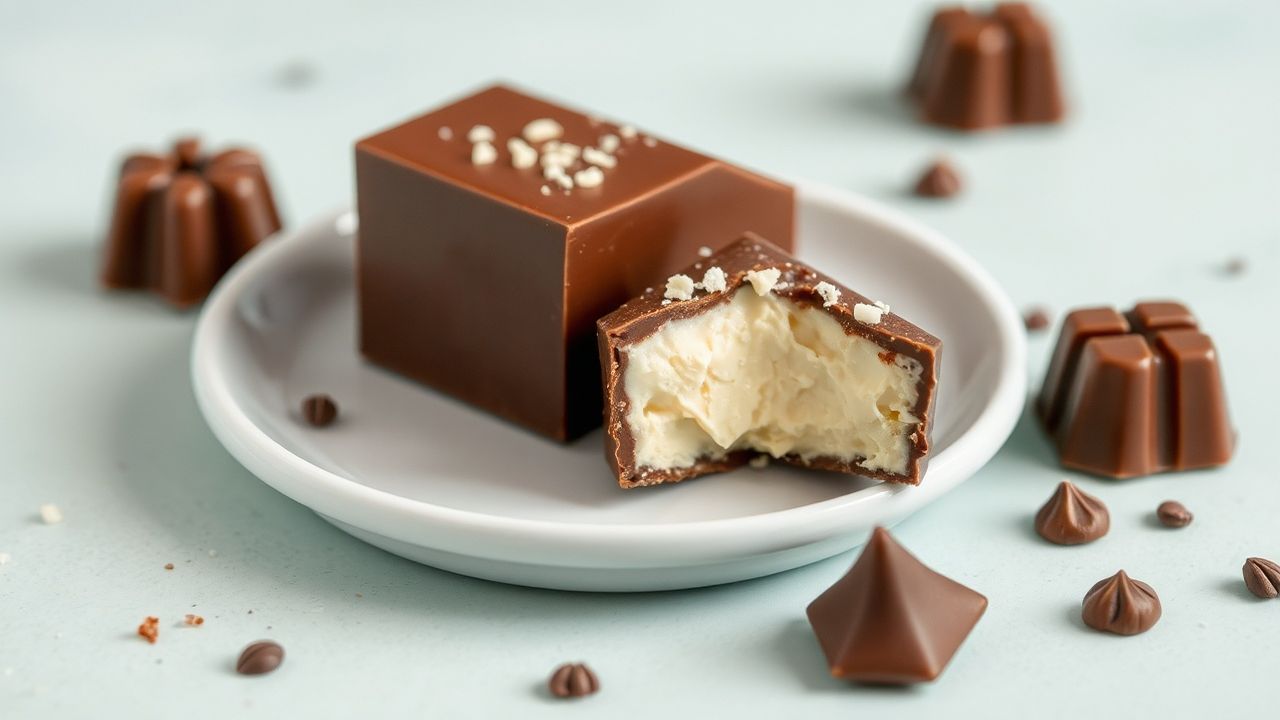
Cocoa butter is the fat that defines chocolate mouthfeel and delivers silky glide in skincare. Its melting range sits just below human body temperature, and that precise window dictates snap, sheen, and sensation.

Contents
  • Overview: Why Melting Point Matters
  • Key Measurements and Timing
  • Ingredients and Tools
  • Step-by-Step Instructions
  • Practical Tips for Consistent Texture
  • Formulation Notes: Chocolate vs. Cosmetic Uses
  • Common Problems and Fixes
  • Serving and Packaging Guidance
  • Resources and Further Reading
  • Nutrition Snapshot
  • FAQ
    • What is the precise melting range of cocoa butter?
    • Why does tempering affect texture so much?
    • Can I change the melting point for a softer or harder product?
    • How should I store tempered chocolate or cocoa butter products?
    • Where can I explore more technical background on these processes?
  • Melting window: cocoa butter melts near 34–38°C, crucial for texture control.
  • Crystal forms: stable beta crystals give gloss and snap.
  • Tempering matters: controlled heating and cooling lock desirable crystals.
  • Practical gains: small temperature shifts change mouthfeel and application.

Overview: Why Melting Point Matters

The melting behavior of cocoa butter determines how chocolate releases flavor and how a balm spreads on skin. Manufacturers manage that phase change to tune sensory outcomes.

In practical terms, a formulation that melts too low feels greasy; one that melts too high feels waxy. Controlling the melting point gives predictable texture and shelf stability.

- Advertisement -

Key Measurements and Timing

Accurate temperature control is non-negotiable. Use a calibrated digital thermometer and track both heating and cooling ramps to the degree.

Typical session times vary. Small-batch tempering and cosmetic mixing take 20–30 minutes once you have prepped ingredients and equipment.

Ingredients and Tools

Quality inputs and the right tools reduce variability. Use high-grade cocoa butter and, for chocolate, couverture with known cocoa butter content.

- Advertisement -

Essential tools include a double boiler or bain-marie, a calibrated thermometer, a silicone spatula, and molds or jars sized to your output. Consider a magnetic stirrer for repeatable lab-like mixing.

Step-by-Step Instructions

Begin by melting the cocoa butter gently, avoiding localized overheating. Heat slowly to preserve desirable crystal forms.

Temperatures commonly used in small-scale chocolate work are: melt to 40–45°C, cool to ~27°C to seed stable crystals, then reheat to ~31°C before molding. These ranges produce Form V (beta) crystals widely accepted as optimal for texture.

- Advertisement -
  1. Set up a double boiler: Place a heat-safe bowl over simmering water with minimal steam contact. Add chopped cocoa butter and stir until liquefied around 40–45°C.
  2. Monitor temperature: Watch for spikes above 46°C; excessive heat destroys desirable crystal nuclei.
  3. Seed or fold: For chocolates, add finely chopped tempered couverture to promote uniform crystallization. For cosmetics, add lecithin and actives at lower temperatures.
  4. Cool to set crystals: Stir while cooling to 26–27°C to encourage Form V nucleation, then gently reheat to working temperature (around 31°C for dark chocolate).
  5. Pour and settle: Fill molds or containers and allow slow, undisturbed setting at stable room temperature to preserve crystal integrity.

These steps mirror professional tempering practices and help lock in a predictable melting profile for both confectionery and cosmetic products.

Practical Tips for Consistent Texture

Small process changes create big sensory differences. Keep batch sizes consistent and avoid draughts or humidity shifts during crystallization.

Store finished goods at 18–20°C where possible. Refrigeration induces condensation and can cause fat bloom or textural changes.

[p]

💡 Expert Insight
Expert Insight: Use a small, dedicated tempering thermometer and log each run. Over a few batches you will see temperature bands that consistently produce the desired snap or glide.

Seeding speeds reliable crystallization. Add 1–2% finely grated tempered chocolate or pre-crystallized cocoa butter during cooling to act as nucleation points.

Formulation Notes: Chocolate vs. Cosmetic Uses

In chocolate, the goal is glossy surface, clean snap, and controlled melting in the mouth. That requires stable Form V crystals and minimal secondary polymorphs.

In cosmetics, feel and spreadability matter more than snap. Manufacturers often blend cocoa butter with carrier oils and emulsifiers like lecithin to lower perceived hardness while keeping a solid at room temperature.

Refer to material science principles such as crystallization and melting point to predict how additives will shift the thermal profile of your base.

Common Problems and Fixes

Grainy texture usually indicates improper crystallization or rapid cooling. Re-melting and re-tempering often resolves this by resetting the crystal landscape.

Fat bloom appears as a pale film on chocolate. It results from unstable crystals or storage above ideal temperature. Correct tempering and stable storage minimize bloom risk.

⚠️ Pro-Caution
Pro-Caution: Avoid overheating cocoa butter above 50°C for extended periods. High temperatures break down trace phospholipids and can change flavor and crystallization behavior.

Address inconsistent batches by isolating variables: temperature profile, agitation speed, and ingredient temperature. Change only one factor per trial.

Serving and Packaging Guidance

Present chocolate at slightly below body temperature to highlight melt behavior and flavor release. For personal-use cosmetics, label containers with recommended storage and melt-range instructions.

Package bars in materials that minimize moisture ingress and thermal swings. For balms, choose tins or PET jars that protect from light and heat.

Resources and Further Reading

For technical context on tempering practice consult professional guides. For quick refreshers, see internal resources like Essential Tips for Tempering Chocolate and Chocolate Formulation Basics.

To ground laboratory-scale practice in foundational concepts, review the Chocolate tempering entry on crystallization behavior and crystal forms.

Nutrition Snapshot

When used in edible products, cocoa butter contributes primarily fat and calories. Adjust serving sizes and companion ingredients to meet nutrition targets.

Nutrition Per 30g Serving (Chocolate) Per 10g Serving (Cosmetic Base)
Calories 170 kcal 90 kcal (not for ingestion)
Protein 1.5 g 0 g
Carbohydrates 15 g 0 g
Fat 12 g 10 g

FAQ

What is the precise melting range of cocoa butter?

Cocoa butter melts in the range of roughly 34–38°C. The exact point varies with fatty acid composition and crystal form. That narrow window is why it liquefies on the tongue yet stays solid at room temperature.

Why does tempering affect texture so much?

Tempering directs which polymorphs form during solidification. The desired Form V crystals give glossy appearance, a firm but not brittle bite, and consistent melt behavior. Skipping tempering leaves a mix of forms and unpredictable texture.

Can I change the melting point for a softer or harder product?

Yes. Formulation changes such as blending with softer vegetable butters, adding oils, or adjusting crystal seeding can shift perceived hardness. Any change requires new stability testing to ensure shelf reliability.

How should I store tempered chocolate or cocoa butter products?

Store at a stable 18–20°C with low humidity and minimal light. Avoid refrigeration and high-heat exposure, which can cause bloom or texture changes.

Where can I explore more technical background on these processes?

Start with the Wikipedia entries on cocoa butter, chocolate tempering, and crystallization for foundational concepts, then consult specialized food science texts for laboratory methods.

Mastering cocoa butter’s melting point is a mix of precise temperature control, sound formulation choices, and repeatable process discipline. Apply the steps above and track results to refine your products batch by batch.

See also: Cocoa butter

7 Essential Tips to Savor Chicken Satay: Spicy Peanut Sauce Guide
Golden Glow: 7-Step Butternut Pasta Masterclass
Savor the Warmth: 7 Proven Steps to Master Roasted Tomato Soup
Unlocking Heat Capacity: 7 Practical Strategies for Thermal Energy Storage
Cherry Crumb Pie Perfection: 7 Expert Steps to Flawless Results
TAGGED:andbutterchocolatecocoameltingtemperaturetemperingtheunlocking
Share This Article
Facebook Pinterest Whatsapp Whatsapp LinkedIn Telegram Threads
What do you think?
Love0
Sad0
Happy0
Sleepy0
Angry0
Dead0
Wink0
Previous Article - Unfolding Flakiness: The Science Behind Perfect Puff Pastry Unfolding Flakiness: 7 Proven Steps for Perfect Puff Pastry
Next Article - Grill Basket Uncovered: The Ultimate Cooking Game-Changer Grill Basket Revealed: 7 Pro Tips to Upgrade Your Outdoor Cooking
Creamy Garlic Chicken with melted Parmesan and fresh herbs on a rustic white plate
Garlic Chicken: 7 Ultimate Brilliant Recipes to Make the Best-Ever Creamy Garlic Chicken with Parmesan & Fresh Herbs
Extra Picks
Colorful bowls of Leftover Couscous transformed into salads, fritters, and stuffed peppers.
12 Amazing Practical Leftover Couscous Ideas: Brilliant Ways to Reuse and Remix
Uncategorized
Colorful jars of spice blends beside steaming couscous with herbs and lemon
7 Ultimate spice blends That Transform Your Couscous — Amazing Best Flavor Boosts
Uncategorized
Bowls of gluten-free couscous alternatives: quinoa, millet, cauliflower, and rice
10 Amazing couscous alternatives: Best Gluten-Free Swaps for Incredible Flavor
Uncategorized

Tags

and art baked baking science baking techniques Baking tips batch cooking beef behind butternut squash caramelization cast iron skillet chemistry chicken comfort food Cooking science cooking technique Cooking techniques Cooking tips crafting creamy creamy soup crispy culinary science fish flavor flavor chemistry food food safety Food science for garlic golden Ground turkey hearty heat high-heat cooking high protein meals how instant read thermometer lactic acid bacteria Lean protein magic Maillard reaction make ahead meals make ahead soup mastering meal prep Meal prep recipes meat thermometer microwave microwave cooking moisture control one pot meals Pan searing perfect perfectly Plant based protein Probe thermometer protein denaturation Quick dinners roasted roasted squash roasted tomato soup Roasted vegetables Roasting techniques savor savory science Searing technique Searing techniques secrets slow cooking squash steak steak cooking sweet temperature control the top turkey turkey soup turkey stew ultimate umami cooking umami flavor unlock unlocking unveiling vegetable velvety weeknight dinner Weeknight dinners weeknight meals what when why with your zesty
March 2026
M T W T F S S
 1
2345678
9101112131415
16171819202122
23242526272829
3031  
« Feb    

You Might Also Like

Is Your Meal Safe? Spot Signs Before You Take a Bite
5-Second Rule

Meal Safety: 8 Expert Checks Before You Bite

William J. Kroll
William J. Kroll
November 16, 2025
Mastering Kitchen Control: The Ultimate Guide to Variables
Flavor Tests

10 Essential Kitchen Control Strategies for Consistent Results

William J. Kroll
William J. Kroll
January 17, 2026
Savor the Flavor: Creamy Garlic Beef Recipe Uncovered
Extra Picks

7-Step Ultimate Creamy Garlic Beef Masterclass

William J. Kroll
William J. Kroll
February 13, 2026
- Unlocking the Magic of Double Boilers: The Bain-Marie Explai
Boiling & Steaming

Mastering the Bain-Marie: 7 Double-Boiler Techniques for Perfect Melting

William J. Kroll
William J. Kroll
October 3, 2025
Unlock the Juiciest Shredded Chicken: Perfect Whole Bird Cooking Tips
Boiling & Steaming

7 Pro Tips for Juiciest Shredded Chicken

William J. Kroll
William J. Kroll
January 12, 2026
- Mustard Magic: The Science Behind Its Emulsifying Power
Fats & Emulsions

Mustard Mastery: 9 Science-Proven Ways to Stabilize Mustard Emulsions

William J. Kroll
William J. Kroll
October 3, 2025
Follow US
By Fimaw.com © All Rights Reserved.
  • Advertising Policy: 10 Practical Rules for Safe, Compliant Ads
  • Contact Us
  • Cookie Policy: Clear Guide for Site Owners
  • Copyright Notice Guide: 7 Essential Rules for Website Owners
  • Disclaimer
  • Privacy Policy
  • Terms of Service
Welcome Back!

Sign in to your account

Username or Email Address
Password

Lost your password?