
By using this site, you agree to the Privacy Policy and Terms of Use.
Accept

CookOrBit

  • Home
  • About Us
  • Ingredient Science
    • Flavor & Aroma
    • Protein Chemistry
    • Sugar & Starch
    • Fats & Emulsions
  • Cooking Techniques
    • Searing & Grilling
    • Baking & Roasting
    • Boiling & Steaming
    • Low & Slow
  • Kitchen Experiments
    • DIY Ferments
    • Flavor Tests
    • Gadget Testing
    • Molecular Gastronomy
  • Food Myths
    • Searing Myth
    • 5-Second Rule
    • MSG Myths
    • Microwave Myths
  • More
    • Extra Picks
    • Quick & Easy
      • Breakfast Ideas
      • Desserts
      • Snacks
      • Soups
    • Global Flavors
      • Asian Street Eats
      • Latin Comforts
      • Mexican Flavors
      • Modern Mediterranean

CookOrBit

  • Home
  • About Us
  • Ingredient Science
  • Cooking Techniques
  • Kitchen Experiments
  • Food Myths
  • More
Search
  • Home
  • About Us
  • Ingredient Science
    • Flavor & Aroma
    • Protein Chemistry
    • Sugar & Starch
    • Fats & Emulsions
  • Cooking Techniques
    • Searing & Grilling
    • Baking & Roasting
    • Boiling & Steaming
    • Low & Slow
  • Kitchen Experiments
    • DIY Ferments
    • Flavor Tests
    • Gadget Testing
    • Molecular Gastronomy
  • Food Myths
    • Searing Myth
    • 5-Second Rule
    • MSG Myths
    • Microwave Myths
  • More
    • Extra Picks
    • Quick & Easy
    • Global Flavors
Follow US
  • Advertising Policy
  • Contact Us
  • Cookie Policy
  • Copyright Notice
  • Disclaimer
  • Privacy Policy
  • Terms of Service
By Fimaw.com
The Chemistry Behind a Safe Kitchen for Immune Health
CookOrBit > Blog > Food Myths > 5-Second Rule > The Chemistry Behind a Safe Kitchen for Immune Health
5-Second Rule

The Chemistry Behind a Safe Kitchen for Immune Health

William J. Kroll By William J. Kroll Published November 1, 2025
Share
SHARE

In the bustling heart of every home lies the kitchen-a place where flavors mingle and nourishment takes shape. But beyond the aroma of fresh herbs and the sizzle of a skillet, there is a fascinating dance of molecules and reactions quietly at work, shaping not just the taste of our meals, but the resilience of our immune system. Welcome to the world where chemistry meets culinary care, where understanding the science behind food safety and nutrient preservation becomes the first line of defense in nurturing immune health. This article will unravel the chemical secrets that transform your kitchen from a cooking space into a sanctuary of well-being, ensuring every bite supports the fortress within.

Contents
The Chemistry Behind a Safe Kitchen for Immune Health: A Cleanse & Nourish ElixirPrep and Cook TimeYieldDifficulty LevelIngredientsInstructionsChef’s NotesServing SuggestionsQ&AIn Conclusion

The Chemistry Behind a Safe Kitchen for Immune Health: A Cleanse & Nourish Elixir

The Chemistry Behind a Safe Kitchen for Immune Health starts with understanding how cleaning agents not only reduce bacterial threats but also play a pivotal role in preserving the delicate nutrients that fortify our immune defenses. This recipe for a Cleanse & Nourish Elixir celebrates the harmony between kitchen safety and vibrant nutrition, inspired by traditional herbal tonics refined into a modern immune booster. The process weaves in natural disinfectants, embracing nature’s own chemistry to maintain a clean, nutrient-rich environment that supports well-being. Prepare to uplift your kitchen routine with this invigorating blend, perfectly balancing immunity and microbiological mindfulness.

Prep and Cook Time

Prep Time: 10 minutes  | Infusion Time: 5 minutes  | Total Time: 15 minutes

Yield

4 servings (12 oz each)

Difficulty Level

Easy

Ingredients

  • 4 cups filtered water
  • 2 tablespoons fresh lemon juice (immune-boosting vitamin C)
  • 1 tablespoon raw honey (natural antibacterial and soothing agent)
  • 1 teaspoon grated fresh ginger (anti-inflammatory and antimicrobial)
  • 1 teaspoon apple cider vinegar (natural disinfectant and digestive aid)
  • 1 cinnamon stick (rich in antioxidants)
  • 3 cloves (natural antibacterial properties)
  • Fresh mint leaves for garnish (optional)

Instructions

  1. Prepare the infusion base: In a clean saucepan, bring the filtered water to a gentle boil using medium heat. Maintaining water purity ensures your elixir’s chemistry supports immune health.
  2. Add whole spices: Drop in the cinnamon stick and cloves, reducing heat to low. Simmer for 5 minutes to unlock their antioxidant and antimicrobial compounds that align with safe kitchen principles.
  3. Incorporate fresh elements: Remove from heat. Stir in the grated ginger, lemon juice, and apple cider vinegar. These natural disinfectants bolster your elixir’s health-boosting power while respecting nutrient preservation.
  4. Sweeten mindfully: Blend in the raw honey until fully dissolved. This subtle sweetness not only balances flavor but also adds gentle antimicrobial benefits, complementing your safe kitchen approach.
  5. Strain and serve: Pour through a fine sieve into heat-safe cups. Garnish with fresh mint leaves to elevate aroma and freshness-finishing touches inspired by natural kitchen cleanliness and immune support.

Chef’s Notes

  • For an extra immune boost, try swapping raw honey for Manuka honey, known for potent antibacterial qualities.
  • Maintain kitchen hygiene by cleaning utensils and surfaces before preparation with natural disinfectants like vinegar-based sprays; this preserves the integrity of your ingredients.
  • Use filtered or spring water to avoid chlorine or contaminants which may degrade nutrient quality.
  • This elixir is best consumed fresh but can be refrigerated safely up to 24 hours in a sealed container.

Serving Suggestions

Present this elixir in clear glass mugs, allowing the warm amber hues and floating spices to shine-perfect for calming evening routines or revitalizing mornings. Pair with light, nutrient-dense snacks such as almond crackers with herb cream cheese or a bowl of fresh berries to amplify the immunity synergy. Garnish with a twist of lemon peel or a sprig of thyme to delight both the eye and palate.

Nutrient Per Serving (12 oz)
Calories 65
Protein 0.1 g
Carbohydrates 17 g
Fat 0 g
Vitamin C 15 mg (25% DV)

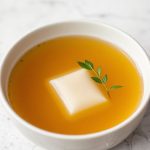
The Chemistry Behind a Safe Kitchen for Immune Health - Cleanse & Nourish Elixir in a glass mug garnished with fresh mint and lemon

Understanding the chemistry behind your kitchen’s cleanliness and ingredient synergy allows you to create not just meals, but medicinal experiences. For deeper insights on natural disinfectants and their immune benefits, explore this NIH study on botanical antimicrobials, and check out our detailed Natural Kitchen Cleaning Guide for tips on maintaining a truly safe culinary space.

Q&A

Q&A: The Chemistry Behind a Safe Kitchen for Immune Health

Q1: How does kitchen chemistry influence our immune system?
A1: The kitchen is a bustling micro-lab where chemical reactions determine the safety and nutrition of our food. Proper food handling and cooking eliminate harmful microbes, preventing infections that could tax the immune system. Additionally, preserving essential nutrients through mindful preparation ensures the body gets the chemical building blocks-like vitamins and antioxidants-that fuel immune defense.

Q2: What chemical principles help keep a kitchen hygienic and safe?
A2: Chemistry teaches us that certain pH levels, temperatures, and disinfectants can disrupt the molecular structures of pathogens. For example, using acidic vinegar or alcohol-based cleaners breaks down microbial cell walls and proteins, rendering them inactive. Heat from cooking denatures enzymes and proteins in bacteria, effectively sterilizing food. Understanding these principles allows us to design kitchen routines that chemically safeguard our meals.

Q3: Can kitchen utensils interact chemically with food and affect immune health?
A3: Absolutely! Some metals, like copper and stainless steel, are known for their antimicrobial properties-they can chemically disrupt microbial membranes just by contact. However, worn or reactive cookware (like uncoated aluminum) might leach metals into food, potentially triggering immune sensitivities or toxicity. Choosing the right materials ensures the chemistry stays beneficial, not harmful.

Q4: How do antioxidants in food contribute to immune health through kitchen chemistry?
A4: Antioxidants are molecules that neutralize harmful free radicals by donating electrons, preventing cellular damage. Cooking methods affect antioxidant levels-steaming preserves vitamin C and polyphenols better than boiling, which can chemically degrade these compounds. So, the way we prepare food chemically modulates its immune-supporting power.

Q5: Why is cross-contamination a chemical concern, and how can it be avoided?
A5: Cross-contamination transfers bacteria and viruses-complex proteins and nucleic acids-from raw to cooked food, posing biochemical threats to immune health. Chemically, it’s like spreading reactive agents that provoke immune overstimulation or infections. To curb this, separate cutting boards, prompt washing of hands and surfaces with soaps (which emulsify fats and disrupt microbial membranes), and proper food storage are crucial kitchen chemistry tactics.

Q6: What role does fermentation chemistry play in boosting immune health?
A6: Fermentation uses beneficial microbes to chemically transform foods into probiotic-rich delicacies. These microbes synthesize bioactive compounds like short-chain fatty acids and vitamins that communicate with gut-associated immune cells. Integrating fermented foods like yogurt or kimchi into your diet sets a chemical stage inside your body for stronger immune responses.

In essence, mastering the chemistry of your kitchen isn’t just about cooking-it’s about crafting a safe, immune-boosting sanctuary where every reaction counts toward your health.

In Conclusion

As we’ve uncovered, the kitchen is much more than the heart of the home-it’s a dynamic laboratory where chemistry and care converge to safeguard our immune health. From the subtle magic of natural acids that neutralize harmful bacteria to the antioxidant-rich compounds in fresh herbs that fortify our defenses, every ingredient and practice plays a vital role in creating a safe culinary sanctuary. By embracing the science behind food safety and immune support, we empower ourselves to transform everyday cooking into a proactive act of wellness. So next time you chop, marinate, or clean, remember: you’re not just preparing a meal-you’re crafting a chemistry of protection that nourishes your body and strengthens your immune fortress, one thoughtful step at a time.
The Chemistry Behind a Safe Kitchen for Immune Health

You Might Also Like

Bright Start: Refreshing Lemon Blueberry Overnight Oats Recipe

Hearty Turkey and Bean Soup: A Comforting Classic Recipe

Unlock Flavor: How to Make Creamy Roasted Garlic Hummus Dip

Hearty Turkey Vegetable Noodle Soup: A Nutritious Classic

Savoring Turkey and Rice Stew: A Hearty Delight Unveiled

TAGGED:andbehindchemistryimmunethe
Share This Article
Facebook Twitter Pinterest Whatsapp Whatsapp LinkedIn Telegram Threads
What do you think?
Love0
Sad0
Happy0
Sleepy0
Angry0
Dead0
Wink0
Previous Article Unlocking Power: The Magic of Large Surface Areas Explained Unlocking Power: The Magic of Large Surface Areas Explained
Next Article When Your Meal Blows Up: The Science Behind Microwave Explosions When Your Meal Blows Up: The Science Behind Microwave Explosions
Turkey Meatloaf Muffins: Protein-Packed Bites of Comfort
Extra Picks
Cozy Up with Creamy Roasted Squash and Apple Soup Bliss
Extra Picks
Hearty Beef and Potato Hash: A Savory Classic to Savor
Extra Picks
Unlocking Flavor: Mastering Vegetable Searing for Perfect Caramelization
Extra Picks

Most Viewed Posts

  • The Art and Science Behind Perfect Culinary Espumas (1,460)
  • Crisp Science: Unlocking the Chemistry of Perfect Tempura (916)
  • Unlocking Vanillin: The Chemistry Behind Vanilla’s Magic (354)
  • Master the Art of the Perfectly Boiled Potato Every Time (310)
  • Fats That Transform: Experimenting with Flavorful Fats (301)

Tags

and art beef behind carrot chemistry chicken crafting creamy crispy exploring flavor food for garlic hearty heat how magic make master mastering microwave perfect perfectly protein savor science searing secrets steak sweet the top turkey ultimate unlocking unveiling velvety what when why with your zesty
January 2026
M T W T F S S
 1234
567891011
12131415161718
19202122232425
262728293031  
« Dec    

You Might Also Like

Mastering Meringue: Secrets to a Perfectly Stable Whip
Protein Chemistry

Mastering Meringue: Secrets to a Perfectly Stable Whip

William J. Kroll William J. Kroll January 12, 2026
Whisking Woes: What Happens When Sugar Hits Egg Whites Early?
Sugar & Starch

Whisking Woes: What Happens When Sugar Hits Egg Whites Early?

William J. Kroll William J. Kroll January 12, 2026
Unlocking Microwave Power: Mastering Levels for Perfect Cooking
Microwave Myths

Unlocking Microwave Power: Mastering Levels for Perfect Cooking

William J. Kroll William J. Kroll January 12, 2026
Unlocking Rosemary’s Essence: The Science Behind Its Flavors
Flavor & Aroma

Unlocking Rosemary’s Essence: The Science Behind Its Flavors

William J. Kroll William J. Kroll January 12, 2026
Picnic Chemistry: Safely Blending Fun with Food Science
5-Second Rule

Picnic Chemistry: Safely Blending Fun with Food Science

William J. Kroll William J. Kroll January 12, 2026
Free vs. Bound Glutamate: Unlocking Flavor Science Secrets
MSG Myths

Free vs. Bound Glutamate: Unlocking Flavor Science Secrets

William J. Kroll William J. Kroll January 12, 2026
Follow US
By Fimaw.com © All Rights Reserved.
  • Advertising Policy
  • Contact Us
  • Cookie Policy
  • Copyright Notice
  • Disclaimer
  • Privacy Policy
  • Terms of Service
Welcome Back!

Sign in to your account

Lost your password?