
By using this site, you agree to the Privacy Policy and Terms of Use.
Accept
CookOrBitCookOrBitCookOrBit
  • Home
  • About Us
  • Ingredient Science
    • Flavor & Aroma
    • Protein Chemistry
    • Sugar & Starch
    • Fats & Emulsions
  • Cooking Techniques
    • Searing & Grilling
    • Baking & Roasting
    • Boiling & Steaming
    • Low & Slow
  • Kitchen Experiments
    • DIY Ferments
    • Flavor Tests
    • Gadget Testing
    • Molecular Gastronomy
  • Food Myths
    • Searing Myth
    • 5-Second Rule
    • MSG Myths
    • Microwave Myths
  • Tools
  • More
    • Extra Picks
    • Quick & Easy
      • Breakfast Ideas
      • Desserts
      • Snacks
      • Soups
    • Global Flavors
      • Asian Street Eats
      • Latin Comforts
      • Mexican Flavors
      • Modern Mediterranean
CookOrBitCookOrBit
  • Home
  • About Us
  • Ingredient Science
  • Cooking Techniques
  • Kitchen Experiments
  • Food Myths
  • Tools
  • More
Search
  • Home
  • About Us
  • Ingredient Science
    • Flavor & Aroma
    • Protein Chemistry
    • Sugar & Starch
    • Fats & Emulsions
  • Cooking Techniques
    • Searing & Grilling
    • Baking & Roasting
    • Boiling & Steaming
    • Low & Slow
  • Kitchen Experiments
    • DIY Ferments
    • Flavor Tests
    • Gadget Testing
    • Molecular Gastronomy
  • Food Myths
    • Searing Myth
    • 5-Second Rule
    • MSG Myths
    • Microwave Myths
  • Tools
  • More
    • Extra Picks
    • Quick & Easy
    • Global Flavors
Follow US
  • Advertising Policy: 10 Practical Rules for Safe, Compliant Ads
  • Contact Us
  • Cookie Policy: Clear Guide for Site Owners
  • Copyright Notice Guide: 7 Essential Rules for Website Owners
  • Disclaimer
  • Privacy Policy
  • Terms of Service
By Fimaw.com
Unlocking Chill: The Science Behind Perfect Cryo-Shucking Oysters
CookOrBit > Blog > Kitchen Experiments > Molecular Gastronomy > Master Cryo-Shucking: 7 Science-Backed Steps for Perfect Oysters
Molecular Gastronomy

Master Cryo-Shucking: 7 Science-Backed Steps for Perfect Oysters

William J. Kroll
By William J. Kroll
Published: November 16, 2025
Share
SHARE

Unlocking Chill: The Science Behind Perfect Cryo-Shucking Oysters outlines practical, science-based methods to chill and open oysters safely while preserving their flavor and texture. This guide explains the physiological basis, equipment needs, step-by-step technique, and safety requirements so chefs and informed home cooks can evaluate the method clearly.

Contents
  • The Science of Cryo-Shucking: Temperature, Tissue, and Taste
    • Muscle Physiology and Ice Crystal Management
    • Relevant Science and Context
  • Equipment, Setup, and Safety Protocols
    • Regulatory and Food Safety Notes
  • Practical Step-by-Step Guide
    • Step Notes and Timing
  • Chef’s Notes: Texture, Flavor, and Presentation
  • Operational Considerations for Restaurants and Producers
  • FAQ
    • What is cryo-shucking and how is it different from normal chilling?
    • Will cryo-shucking damage oyster flavor?
    • Can I safely cryo-shuck oysters at home?
    • How long can cryo-shucked oysters be stored?
    • Does cryo-shucking apply to other shellfish?
  • Precision cooling loosens the adductor muscle without damaging meat.
  • Controlled timing preserves texture while limiting bacterial growth.
  • Specialized tools and PPE reduce injury risk and maintain quality.
  • Practical limits mean commercial setups are safest for cryogenic methods.

The Science of Cryo-Shucking: Temperature, Tissue, and Taste

Cryo-shucking relies on targeted cooling to alter the oyster’s adductor muscle and its attachment to the shell. When cooled rapidly to near-freezing, water within muscle cells forms small ice crystals that change fiber tension and loosen the grip on the shell.

This method contrasts with conventional freezing that forms large ice crystals and disrupts cellular structure. By controlling both temperature and exposure time, chefs can reduce mechanical force while keeping the flesh plump and briny.

- Advertisement -

Muscle Physiology and Ice Crystal Management

The adductor muscle that holds an oyster closed responds to thermal changes predictably. Rapid chilling increases intracellular ice nucleation points, which relax contractile fibers and decrease adhesion.

Therefore, the goal is to induce minor crystalline formation only in the muscle junction, not throughout the whole tissue. Carefully monitored temperatures (around 0 to 2°C) minimize structural damage and preserve mouthfeel.

Relevant Science and Context

For background on the animal and anatomy involved, consult the oyster overview. For the physics of low-temperature effects on materials and tissues, refer to cryogenics.

- Advertisement -

Also, practical tool considerations are covered on the oyster knife reference page. These sources clarify why controlled chilling works and where risks arise.

Equipment, Setup, and Safety Protocols

Use the right equipment: temperature-controlled refrigeration or blast chiller will deliver consistent results. In commercial applications, liquid nitrogen appears in demonstrations, but it demands trained handlers and strict controls.

Always combine tool choice with safety protocols. A thick glove or towel, a stable non-slip surface, and a proper oyster knife reduce injury. Ventilation is essential if any cryogenic liquids are present.

- Advertisement -
💡 Expert Insight
Expert Insight: For kitchens without specialized chillers, a calibrated cooler with crushed ice and a dedicated thermometer gives consistent sub-zero-adjacent conditions. Monitor oysters individually to avoid overexposure.

Wear cut-resistant gloves rated for kitchen use during all shucking operations. Additionally, protect hands from extreme cold when handling cryogenic containers and avoid direct skin contact with liquid nitrogen or dry ice.

Regulatory and Food Safety Notes

Food safety practices determine whether cryo-shucking makes sense for routine service. Cooling slows microbial growth, but it does not sterilize. Follow accepted handling windows and discard any oysters held beyond recommended times.

For general guidance on safe handling and storage, consult reputable food-safety compilations such as the food safety literature. Proper hygiene and cold-chain control remain mandatory.

Practical Step-by-Step Guide

First, prepare a clean, dedicated workstation. Assemble an oyster knife, a heavy towel or cut-resistant glove, a thermometer, and a chilled tray for finished oysters.

Next, place oysters on crushed ice or in a temperature-controlled unit set to just above freezing. Aim for 0–2°C and a chilling window that typically runs 20–30 minutes depending on oyster size and thickness.

Then, stabilize each oyster on a folded towel. Hold it so the hinge faces your dominant hand; insert the tip of the oyster knife at the hinge and apply a short twist rather than steady force. When the hinge gives, slide the blade along the top shell to cut the adductor and open the oyster.

Finally, drain minimally to preserve liquor and serve immediately on crushed ice. If you will serve later, keep the shucked oysters covered on refrigerated ice and use within two hours for best texture and safety.

Step Notes and Timing

Short chilling windows prevent deep freezing and large ice-crystal formation. Overchilling causes toughening, so prefer incremental checks over fixed timers for variable batch sizes.

Always verify internal shell temperature with an accurate probe thermometer. Small adjustments to time or ice density significantly affect result consistency.

Chef’s Notes: Texture, Flavor, and Presentation

Controlled chilling preserves the oyster’s natural brininess and plump mouthfeel when done correctly. The technique enhances yield by reducing meat loss during opening.

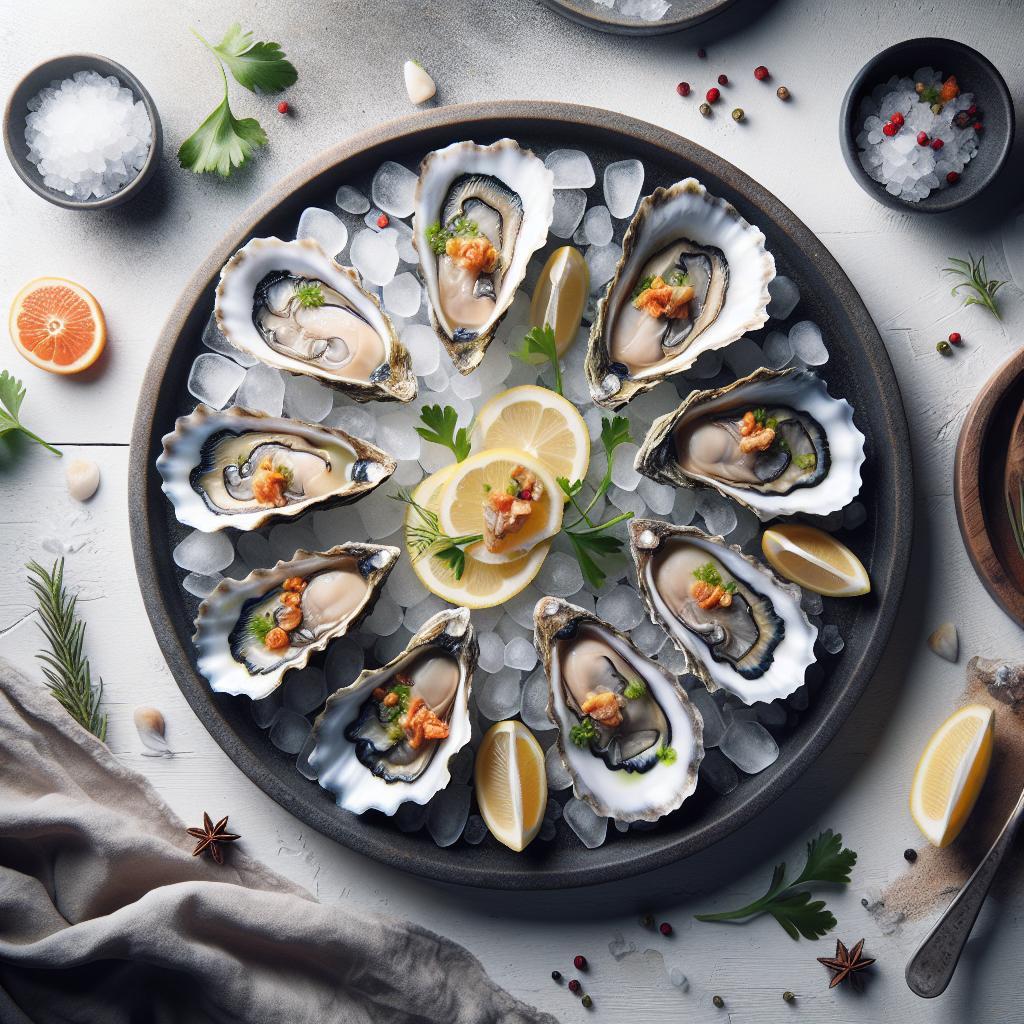
For presentation, nest shucked oysters on crushed ice and garnish with lemon, simple mignonette, or clean condiments that highlight natural flavors. Avoid heavy sauces that mask texture nuances.

  • Temperature is critical: Maintain 0–2°C during the chill step.
  • Timing matters: Typical exposure: 20–30 minutes, adjust for oyster size.
  • Limit storage: Shucked oysters best enjoyed immediately; refrigerate only briefly.
⚠️ Pro-Caution
Pro-Caution: Do not attempt liquid-nitrogen cryo-shucking without professional training. Liquid nitrogen causes severe cold burns and asphyxiation risks in confined spaces. Keep trained personnel in charge of any cryogen handling.

After the warning block, add a short operational reminder: if you lack training or appropriate PPE, use the chilled-ice approach instead of cryogens. This reduces hazard while retaining many benefits.

Operational Considerations for Restaurants and Producers

For chefs and oyster purveyors, invest in validated procedures and staff training. Validate chill times and temperatures for each oyster species you handle, as shell thickness and adductor size vary by species and origin.

Document washing, chilling, and holding times in your HACCP plan. Verify that your suppliers follow sustainable harvest and handling practices so quality enters your kitchen intact.

Link operational resources to your menu and service workflow. For a complementary recipe, see our Classic Mignonette Sauce Recipe. For guidance on selecting raw oysters, read How to Select Fresh Oysters.

FAQ

What is cryo-shucking and how is it different from normal chilling?

Cryo-shucking uses rapid, controlled cooling to relax the adductor muscle so the shell opens with less force. Normal chilling simply slows spoilage; cryo-shucking times and temperatures aim to alter tissue tension without freezing the entire animal.

Will cryo-shucking damage oyster flavor?

When executed with tight temperature and time control, cryo-shucking preserves the oyster’s briny flavor. Overchilling or deep freezing will create textural damage and dull taste, so monitoring is essential.

Can I safely cryo-shuck oysters at home?

Home cooks can use the chilled-ice method safely, but they should avoid liquid nitrogen or dry ice without training. Use a thermometer and short chilling windows, and always use protective gloves while shucking.

How long can cryo-shucked oysters be stored?

Shucked oysters remain best for immediate service. Hold them on ice in refrigeration for up to two hours with minimal quality loss. Extended holding reduces texture and increases microbial risk.

Does cryo-shucking apply to other shellfish?

Principles apply to clams, mussels, and scallops where controlled cooling can ease muscle attachment. However, validate procedures per species and follow food-safety controls for each shellfish type.

The documented method offers chefs and producers precise control over oyster presentation and safety. By applying measured cooling, trained teams can reduce shucking effort, increase yield, and protect quality while maintaining compliance with safety standards.

Cryo-shucked oysters on crushed ice

See also: cryo-shucking

Cake vs. Yeast Donuts: 7 Powerful Differences Every Baker Should Know
Crispy & Fluffy: 7 Pro Steps for Air Fryer Blueberry Muffins
7 Energizing Benefits of a Vibrant Roasted Root Bowl
7-Step Zesty Moroccan Carrot Salad: Vibrant 25-Min Recipe
7 Battle-Tested Secrets for Fluffy Southern Cathead Biscuits
TAGGED:andblast chillingcryo shuckingoysteroyster handlingoyster knifeoyster shuckingscienceseafood safetytemperature controltheunlocking
Share This Article
Facebook Pinterest Whatsapp Whatsapp LinkedIn Telegram Threads
What do you think?
Love0
Sad0
Happy0
Sleepy0
Angry0
Dead0
Wink0
Previous Article Unitasker vs Multitasker: Mastering Focus or Juggling Skills? Unitasker vs Multitasker: 7 Proven Ways to Master Focus and Juggle Tasks
Next Article Unlocking Flavor: The Science Behind Searing Vegetables Unlocking Flavor: 7 Expert Secrets to Searing Vegetables
Hearty Beef and Broccoli Stew: A Flavorful Comfort Classic
Beef Stew: Hearty Beef & Broccoli Stew
Extra Picks
Hearty Chicken and Rice Soup: Comfort in Every Bowl
7 Pro Tips for Hearty Chicken Soup
Extra Picks
Sizzling Beef and Broccoli Skillet: Quick, Flavorful Feast
10-Min Beef Broccoli Skillet — Fast, Flavorful
Extra Picks
Savory Secrets to Perfectly Creamy Garlic Chicken Delight
7 Savory Secrets for Perfectly Creamy Garlic Chicken Delight
Extra Picks

Tags

and art baked baking science baking techniques Baking tips batch cooking beef behind butternut squash caramelization cast iron skillet chemistry chicken comfort food Cooking science cooking technique Cooking techniques Cooking tips crafting creamy creamy soup crispy culinary science fish flavor flavor chemistry food food safety Food science for garlic golden Ground turkey hearty heat high-heat cooking high protein meals how instant read thermometer lactic acid bacteria Lean protein magic Maillard reaction make ahead meals make ahead soup mastering meal prep Meal prep recipes meat thermometer microwave microwave cooking moisture control one pot meals Pan searing perfect perfectly Plant based protein Probe thermometer protein denaturation roasted roasted squash roasted tomato soup Roasted vegetables Roasting techniques Roux technique savor savory science Searing technique Searing techniques secrets slow cooking squash steak steak cooking sweet temperature control the top turkey turkey soup turkey stew ultimate umami cooking umami flavor unlock unlocking unveiling vegetable velvety weeknight dinner Weeknight dinners weeknight meals what when why with your zesty
March 2026
M T W T F S S
 1
2345678
9101112131415
16171819202122
23242526272829
3031  
« Feb    

You Might Also Like

- Inside the Pasta Maker: How Rollers and Cutters Craft Perfec
Gadget Testing

Inside the Pasta Maker: 7 Expert Techniques Rollers and Cutters Use to Craft Perfection

William J. Kroll
William J. Kroll
September 30, 2025
- Frozen Feast Face-Off: Cheap vs. Expensive Dinner Test
Microwave Myths

Frozen Dinners Tested: 7 Expert Findings on Cheap vs Premium Meals

William J. Kroll
William J. Kroll
October 2, 2025
Unlocking Juicy Secrets: The Science Behind Perfect Meatballs
Protein Chemistry

7 Science-Backed Secrets for Perfect Meatballs

William J. Kroll
William J. Kroll
February 12, 2026
- The Maillard Reaction: Flavor's Secret Culinary Magic Unveil
Searing Myth

Maillard Reaction: 7 Expert Techniques to Unlock Irresistible Flavor

William J. Kroll
William J. Kroll
November 4, 2025
Mastering the Flake: Secrets to Perfect Puff Pastry Every Time
Fats & Emulsions

10 Proven Secrets: Mastering the Flake for Perfect Puff Pastry

William J. Kroll
William J. Kroll
February 12, 2026
- Fluffiest Rice Ever: Master the Perfect Cooking Method
Sugar & Starch

7 Expert Steps to Fluffy Rice: Master the Perfect Cooking Method

William J. Kroll
William J. Kroll
November 4, 2025
Follow US
By Fimaw.com © All Rights Reserved.
  • Advertising Policy: 10 Practical Rules for Safe, Compliant Ads
  • Contact Us
  • Cookie Policy: Clear Guide for Site Owners
  • Copyright Notice Guide: 7 Essential Rules for Website Owners
  • Disclaimer
  • Privacy Policy
  • Terms of Service
Welcome Back!

Sign in to your account

Username or Email Address
Password

Lost your password?