
Unlocking Flavor: Mastering Vegetable Searing
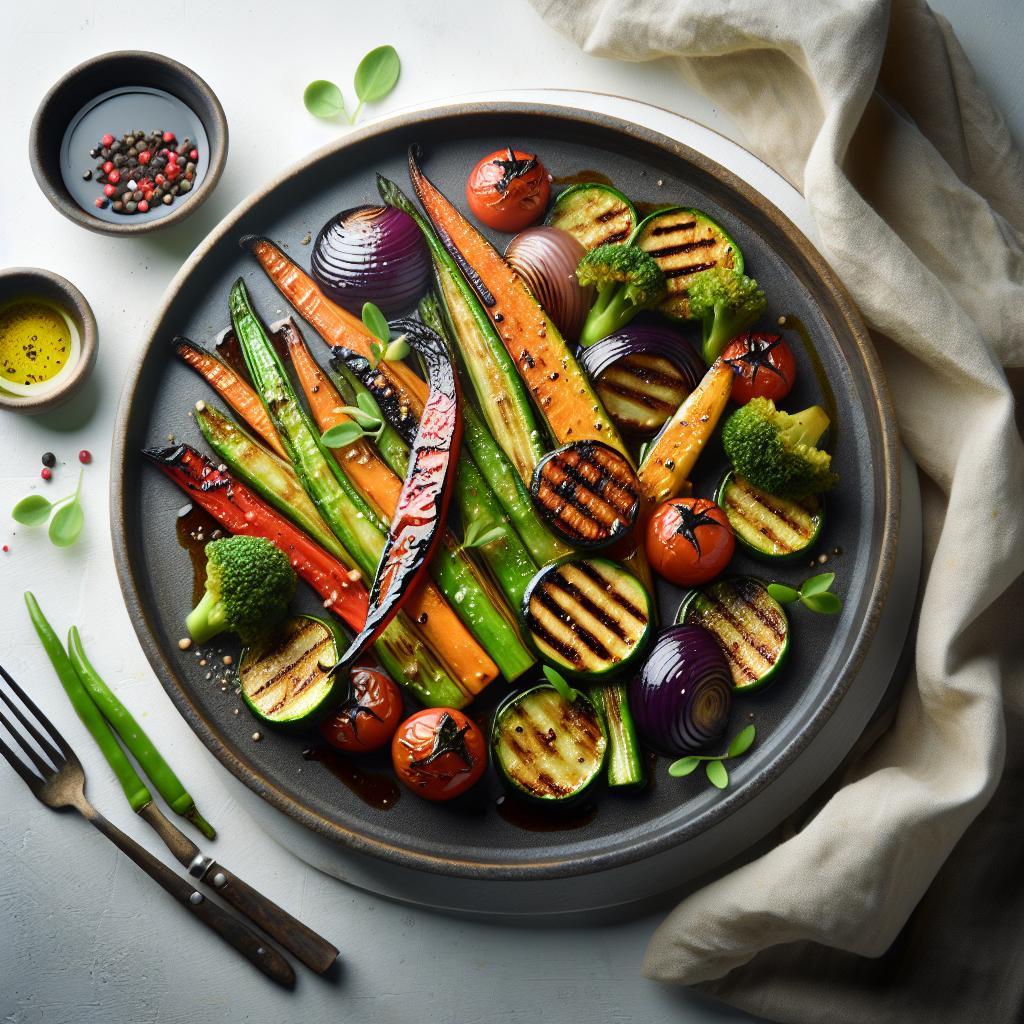
There is a precise transformation when vegetables hit a very hot pan and develop a golden, savory crust. Searing concentrates sugars and amino acids, producing deeper aromas and a satisfying texture that elevates simple vegetables into standout components of a meal.
- Unlocking Flavor: Mastering Vegetable Searing
- Prep and Cook Time
- Yield and Difficulty
- Ingredients
- Why Searing Works: Science in Practice
- Tools and Equipment
- Ingredients — Detailed Notes
- Instructions
- Technique Enhancements
- Tips for Success
- Serving Suggestions
- Nutritional Snapshot
- FAQ
- What is the difference between caramelization and the Maillard reaction?
- Which vegetables will not sear well?
- Can I use butter for searing?
- How do I prevent blackened bits that taste bitter?
- Is searing vegetables healthy?
- Insights and Closing Thoughts
- Key control points: heat, moisture, and surface contact.
- Best vegetables: dense, low-moisture types that brown, not steam.
- Tools matter: heavy pans retain heat and deliver even searing.
This guide focuses on reliable techniques, backed by culinary chemistry, to help cooks achieve consistent caramelization and balanced browning. The aim is practical mastery: predictable results, repeatable textures, and bold flavor with everyday ingredients.
Prep and Cook Time
Preparation: 15 minutes. Cooking: 10–12 minutes. These windows reflect typical batch sizes and moderate pan load for even color development.
Plan for about 25–30 minutes total when you include staging and resting. Allowing a little extra time for pan heating and batch cooking prevents crowding and ensures reliable searing.
Yield and Difficulty
Yield: Serves 4 as a side dish. Portioning depends on vegetable density; high-water veggies yield less final weight after searing.
Difficulty: Medium. The technique requires confident heat control and timing, but the learning curve is short with consistent practice.
Ingredients
Gather uniform pieces for even cooking. Use dense vegetables such as carrots, Brussels sprouts, eggplant, bell peppers, and zucchini, cut into consistent sizes to ensure a single sear cycle often suffices.
Use a high smoke-point oil such as refined olive oil or avocado oil, sea salt, freshly ground black pepper, and optional sweeteners like a light drizzle of honey or maple syrup for enhanced surface gloss. Fresh garlic and thyme are common finishers.
Why Searing Works: Science in Practice
Searing relies primarily on two chemical paths: caramelization of sugars and the Maillard reaction between amino acids and reducing sugars. Both produce aromatic compounds and brown pigments that create flavor depth.
Understanding these reactions helps you control variables: higher surface temperature speeds browning, while moisture inhibits it. Read more about the science of caramelization and the Maillard reaction for detailed mechanisms and temperature ranges.
Tools and Equipment
Choose a heavy-bottomed pan to stabilize surface temperature; a well-seasoned cast-iron skillet or heavy stainless pan works best. Thin pans lose heat when you add cold vegetables and promote steaming instead of searing.
Use tongs or a flexible spatula to turn pieces with minimal disturbance. A thermometer is useful for training your eye: aim for a pan surface temperature in the medium-high range so the oil shimmers without smoking.
Ingredients — Detailed Notes
Vegetable selection: Favor low-moisture, firm vegetables that hold shape under high heat. Mushrooms, asparagus, and root vegetables bloom under searing when cut to uniform thickness.
Oils and fats: Use oils with stable smoke points; refined olive oil and avocado oil tolerate the heat needed for a clean sear. Butter adds flavor but use it near the end to avoid burning.
Instructions
1. Prepare the vegetables by washing, drying thoroughly, and cutting into uniform pieces. Drying removes surface moisture that would otherwise steam the surface and prevent browning.
2. Preheat your skillet on medium-high for 2–4 minutes. The pan should be hot enough that oil shimmers immediately on contact but not so hot that it smokes persistently; maintain steady medium-high heat.
3. Add oil and swirl to coat the surface, then introduce vegetables in a single layer without overcrowding. Crowding traps steam; cook in batches if needed to preserve surface contact and heat.
4. Let vegetables sit undisturbed for 3–5 minutes to form a deep, fragrant crust, then flip or toss to brown remaining sides. Add aromatics such as garlic and thyme during the final 1–2 minutes so they perfume the dish without burning.
Stepwise Tips for Each Phase
Drying and cutting: Uniform pieces equalize cooking time. Slice denser items thinner when needed to match softer items.
Finishing: If you want a glossy glaze, add a light drizzle of maple syrup or honey at the last minute and toss gently; heat will encourage surface caramelization without becoming cloying.
Technique Enhancements
Control three variables: surface temperature, pan load, and moisture. Keep the pan hot, give pieces breathing room, and pre-dry vegetables to prevent steaming. These controls yield consistent caramelization across batches.
When reheating seared vegetables, use a hot oven or a hot pan to revive the crust quickly. Avoid microwaving, which will soften surfaces and degrade the caramelized layer.
After the tip, give yourself a moment to let flavors settle before finishing. A brief rest off heat helps volatile aromatics mellow and harmonize with the caramelized notes on the surface.
Tips for Success
Pat vegetables dry: Moisture is the main inhibitor of browning; use a clean towel or paper towels to remove surface water before oiling. Less water equals more direct heat contact and faster browning.
Patience pays: Resist frequent stirring. Let pieces remain in contact with the hot surface until a golden crust forms. Turn only when a clear, brown edge has developed.
Heat Control and Oil Choice
Adjust heat as needed: ramp up to start, then stabilize to sustain even browning without burning. Use oils with neutral flavor and high smoke points for the initial sear; add butter later if you want richness.
For delicate vegetables, sear on slightly lower heat and finish in a warm oven to gently equalize internal temperature without compromising the exterior.
Serving Suggestions
Serve seared vegetables immediately for best texture and visual impact. Finish with a bright squeeze of lemon juice or a scatter of fresh herbs to contrast the deep, caramelized notes.
Pair seared vegetables with roasted proteins, grain bowls, or salads. A sprinkle of toasted nuts or a crumble of tangy cheese can add contrast and elevate the dish into a composed course.
Nutritional Snapshot
The following table provides a quick per-serving estimate for a mixed vegetable side. Values vary by vegetable mix and added oil; this table assumes moderate oil use and common vegetables.
Use portion control and fresh ingredients to keep calories and fat aligned with your meal plan while maximizing fiber and micronutrients from the vegetables.
| Nutrient | Per Serving |
|---|---|
| Calories | 110 kcal |
| Protein | 2 g |
| Carbohydrates | 15 g |
| Fat | 6 g |
FAQ
What is the difference between caramelization and the Maillard reaction?
Caramelization breaks down sugars under heat and yields sweet, nutty flavors and brown pigments. The Maillard reaction involves amino acids and reducing sugars and produces more savory, complex aromas.
Both occur during high-heat searing but at different temperatures and contribute distinct flavor layers that together create the browned character of seared vegetables.
Which vegetables will not sear well?
High-water-content vegetables like cucumbers and lettuce will not sear effectively; they release water and steam instead of forming a crust. Use dense or moderately firm vegetables when you want reliable browning.
When you have softer vegetables, consider roasting or grilling where dry heat over time removes moisture and concentrates sugars more gradually.
Can I use butter for searing?
Use butter for flavor but add it late in the cook to avoid burning. Start with a high smoke-point oil for the initial sear, then finish with a pat of butter for aroma and richness in the final minute.
This hybrid approach balances heat stability and the desirable flavor compounds found in browned butter without introducing bitter burnt notes.
How do I prevent blackened bits that taste bitter?
Black burned bits result from excessive heat or extended contact after sugars and proteins have charred. Lower the heat slightly, reduce contact time, or remove burnt pieces promptly to avoid bitterness.
Scrape the pan between batches and maintain a hot but not smoking surface to get deep color without burning.
Is searing vegetables healthy?
Searing concentrates flavor and reduces the need for heavy sauces or excessive salt, which can support healthier meals. Use measured oil and pair seared vegetables with lean proteins and whole grains for balanced nutrition.
Choose high-quality oils and keep portions mindful to combine deliciousness with sensible macro balance.
Insights and Closing Thoughts
Searing vegetables creates concentrated flavor with a satisfying texture when you control heat, moisture, and surface contact. The technique rewards precision: consistent cuts, a hot pan, and restrained handling deliver repeatable results.
Practice batch control and experiment with finishing elements—acid, herbs, or a modest sweetener—to build complexity. With a few focused trials you will gain reliable timing and flavor intuition to make seared vegetables a reliable staple in your cooking repertoire.
See also: vegetable searing