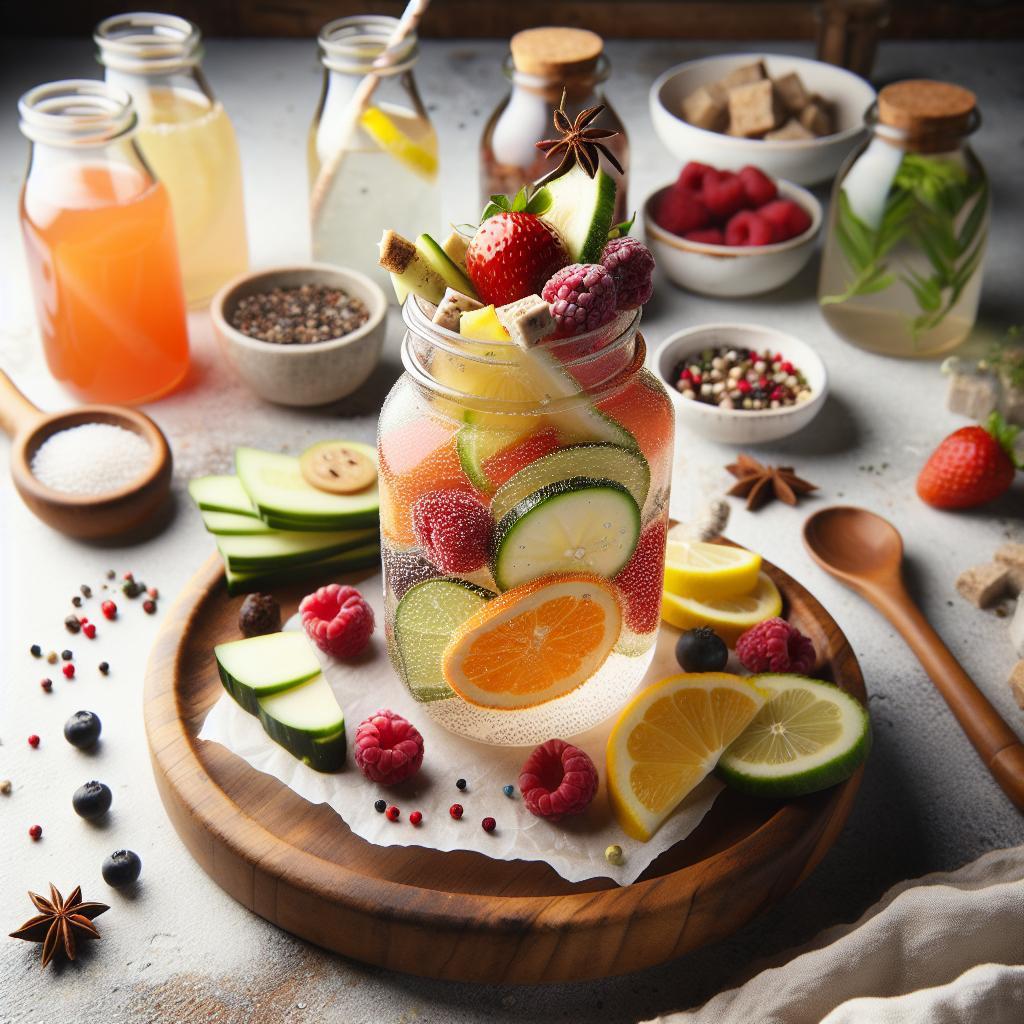

Bubbly Bliss starts with clean ingredients, disciplined technique, and a healthy culture. Water kefir grains convert sugar water into a lively, probiotic soda with gentle acidity and natural carbonation. Follow measured steps, keep sanitation high, and you will produce consistent, flavorful batches that improve with practice.
- Key takeaway: Water kefir yields a low-calorie, probiotic-rich sparkling drink when fermented correctly.
- Quick wins: Use non-chlorinated water, avoid metal contact, and handle grains gently.
- Timing tip: Primary fermentation 24–48 hours; secondary (bottling) 24–48 hours for carbonation.
- Flavor tip: Reserve second-ferment additions like ginger or berries for complexity and aroma.
Prep and Cook Time
Preparation: Plan 15 minutes of hands-on time up front. You will perform short checks during fermentation but the grains do the work.
Fermentation windows: Expect primary fermentation to take 24–48 hours at typical room temperatures and secondary fermentation another 24–48 hours to develop sparkle. Total time is generally 3–4 days from start to chilled soda.
Yield
This recipe yields about 1 liter (roughly 4 cups) of finished water kefir soda per batch when you start with 3 tablespoons of grains. Scale the ratio of grains to liquid proportionally for larger batches.
Yield will vary slightly with sugar concentration and fermentation length; longer secondary fermentation increases consumed sugar and may reduce final volume slightly due to CO2 loss when bottles are burped.
Difficulty Level
Water kefir falls in the easy-to-medium range. Beginners can get reliable results by following consistent sanitation, temperature control, and simple ratios.
Experienced makers refine flavor through timing and second-ferment ingredients. Small adjustments to temperature and sugar let you control acidity, sweetness, and fizziness.
Ingredients
Gather measured, high-quality inputs. Precision with sugar and water composition keeps the microbial community balanced and productive.
Core ingredients include: 3 tablespoons water kefir grains (active), 1 liter filtered, non-chlorinated water, and 1/4 cup organic cane sugar or coconut sugar. Add 1 tablespoon lemon juice for mineral balance and optional flavorings for the second fermentation.
- 3 tablespoons water kefir grains, rinsed briefly with non-chlorinated water
- 1/4 cup organic cane sugar (or coconut sugar), fully dissolved
- 1 liter filtered, chlorine-free water
- 1 tablespoon fresh lemon juice
- Optional: fresh ginger slices, berries, citrus zest, or dried hibiscus for secondary flavor
Instructions
Follow the sequence: prepare sugar water, combine with grains for primary fermentation, strain and bottle for secondary fermentation, then chill. Keep an eye on temperature and sanitation throughout.
Use clean glass jars and non-metal strainers. Metal contact can stress the cultures; glass and food-grade plastic protect flavor and microbial stability.
First Fermentation
Bring filtered water to room temperature if heated to dissolve sugar, then stir in sugar until fully dissolved. Add lemon juice to supply minerals that support bacteria and yeast activity.
Place the water and grains in a clean glass jar and cover with a breathable cloth secured with a rubber band. Let the jar sit at 68–78°F (20–25°C) for 24–48 hours, checking for mild tang and a slight sweetness reduction.
Straining and Reuse
Strain the fermented liquid through a plastic or nylon mesh sieve into a clean container. Gently rinse the grains with non-chlorinated water only if they look cloudy or slimy; avoid vigorous agitation.
Set grains aside in a small jar of sugar water for reuse or feed them immediately by starting a new batch. Proper care maintains grain vitality and consistent fermentation cycles; for longer rest, store grains in the refrigerator in sugar water.
Second Fermentation and Bottling
Pour the strained liquid into sealable bottles, add your chosen flavorings (ginger, berries, citrus peel), and seal tightly to trap CO2. Use sturdy swing-top bottles or thick glass designed for carbonation.
Leave bottles at room temperature for 24–48 hours to develop pressure and flavor. Burp each bottle once daily to release excess gas and check carbonation. Over-pressurized bottles can fail, so monitor pressure closely.
Cooling and Serving
After the desired carbonation, refrigerate bottles for at least 12 hours to slow fermentation and stabilize bubbles. Cold temperatures reduce CO2 solubility release when opening.
Open bottles slowly to control fizz and serve chilled in tall glasses. Garnish with herbs or citrus and enjoy moderate portions to assess flavor and effervescence.
Tips for Success
Small operational details produce big consistency gains. Keep records of batch times, temperatures, sugar type, and flavor additions so you can replicate successes.
Always avoid chlorinated water and metal contact. If fermentation appears sluggish, raise ambient temperature slightly or add a teaspoon of sugar to the next feed to revive activity.
- Use filtered water to preserve the microbial balance.
- Try pineapple + mint or blueberry + lavender in the second ferment for layered aroma.
- Store excess grains in sugar water in the fridge and refresh weekly when not in active use.
- Keep sanitation high: clean jars and bottles minimize contamination risks.
Serving Suggestions
Serve water kefir soda in clear glasses to showcase carbonation and color from fruit additions. Fresh herbs and citrus slices enhance aroma and visual appeal.
Pair the soda with light meals such as salads or grilled fish, or use it as a sophisticated non-alcoholic beverage at gatherings. Small pours work best while learning how different flavors and fermentation times affect sweetness and tang.
Nutrition & Storage
Water kefir is typically low in calories and fat, with carbohydrates mainly from residual sugars. Exact nutrition varies by fermentation duration and added flavors.
Store finished bottles in the refrigerator to slow fermentation and preserve carbonation. Consume within 1–2 weeks for best flavor and microbial stability; longer storage can change sweetness and acidity.
| Nutrient | Per 8 oz Serving |
|---|---|
| Calories | 40 (approx.) |
| Protein | 0 g |
| Carbohydrates | 10 g (mainly sugars) |
| Fat | 0 g |
For step-by-step basics and troubleshooting, check our internal fermentation primer and grain care pages: fermentation for beginners and kefir grain care. These pages give batch templates and maintenance schedules to support regular brewing.
Resources and Context
Water kefir belongs to a broader category of fermented beverages; the microbial interactions are similar in principle to other cultured drinks studied in food science. Read foundational concepts on water kefir on Wikipedia for background on grains and culture composition.
Understanding fermentation ecology helps you troubleshoot fermentation issues. See the general process on fermentation and compare carbonation and flavor profiles to related beverages such as kombucha.
Learn about the role of beneficial microbes in gut health via the probiotics overview. That context explains why people choose fermented sodas as part of a microbiome-friendly diet.
FAQ
What is water kefir and how does it differ from milk kefir?
Water kefir uses sugar water as a substrate and a mixed culture of bacteria and yeast often called tibicos or water kefir grains. Milk kefir ferments lactose in dairy and contains different microbial strains; water kefir is naturally dairy-free and lighter in body.
How do I keep my water kefir grains healthy?
Feed grains every 24–48 hours in active use with fresh sugar water, avoid chlorinated water, and keep them at stable room temperature. When pausing culture activity, store grains in the fridge in a sugar water solution and refresh weekly.
How carbonated will my soda get and how can I control it?
Carbonation depends on yeast activity during the sealed second fermentation. Use strong bottles, allow 24–48 hours at room temperature, and burp daily. Cooler refrigeration before serving slows fermentation and locks in bubbles.
Are there safety concerns I should watch for?
Yes. Monitor for off smells (putrid or rotten), visible mold, or unusual discoloration; discard any batches showing these signs. Always use glass or food-grade plastic bottles designed for pressure to prevent explosions.
Where can I source water kefir grains?
You can obtain grains from local fermentation groups, health food suppliers, or community swaps. Shared grains from trusted sources often arrive active and ready to culture when introduced to fresh sugar water.
Creating water kefir soda combines microbiology and culinary craft. Maintain clean technique, keep records, and refine flavor through small, controlled experiments. With consistent care, you will produce bright, fizzy batches that showcase the living cultures at work. Cheers to confident, consistent home fermentation!
See also: water kefir