

Beneath the surface of every living organism, a precise chemistry runs continuously. Amino acids form the molecular units proteins use to build tissues, signal between cells, and run metabolic reactions.
- make the most of Essential and Non-Essential Amino Acids in Your Daily Nutrition
- Essential Concepts: Why Amino Acids Matter
- Ingredients (Nutritional Components)
- Instructions: How to Apply Biochemistry to Meals
- Chef’s Notes: Practical Tips for Daily Success
- Serving Suggestions and Practical Meals
- Nutrient Table: Sample Macro Breakdown
- Science Notes and Further Reading
- Quality and Safety Considerations
- Q&A
- What exactly are amino acids?
- How many amino acids should we care about?
- Why are amino acids called the building blocks of life?
- Do amino acids do anything besides make proteins?
- How should I modify my diet to optimize amino acid intake?
- References and Practical Resources
- Essential vs non-essential: Nine amino acids require dietary intake for adults.
- Diet matters: Complete proteins and complementary plant combinations fill nutritional gaps.
- Functional breadth: Amino acids act as substrates, signals, and metabolic intermediates.
- Practical approach: Spread protein intake across the day to support synthesis and recovery.
make the most of Essential and Non-Essential Amino Acids in Your Daily Nutrition
Amino acids fall into two practical categories: those the body can synthesize and those it cannot. The latter—known as essential amino acids—must come from food and are critical for growth, repair, and enzyme production.
Understanding this distinction helps shape meal planning and supplementation strategies. For a technical overview, consult the comprehensive summary on amino acids.
Prep and Cook Time
- Preparation: 10 minutes
- Cook Time: Not applicable (informational guide)
Yield
One practical guide that translates biochemical principles into daily choices.
Difficulty Level
Easy to Intermediate — accessible explanations with actionable steps for diet and planning.
Essential Concepts: Why Amino Acids Matter
Proteins perform structural, catalytic, transport, and defense roles across organisms. The sequence and composition of amino acids determine a protein’s shape and function, which directly affects physiology and health.
For context on how amino acid chains fold into functional units, see the entry on protein (biochemistry). Folding errors or missing residues can impair activity and lead to disease.
Ingredients (Nutritional Components)
This section lists the amino acids commonly discussed in nutrition and common food sources. Use it as a checklist when evaluating meals and supplements.
Essential Amino Acids: Histidine, Isoleucine, Leucine, Lysine, Methionine, Phenylalanine, Threonine, Tryptophan, Valine. These nine require dietary intake.
- Dietary protein sources: Lean meats, eggs, dairy, tofu, quinoa, lentils.
- Complementary plant-based sources: Rice + beans, nut and seed mixes, whole grains paired with legumes.
- Supporting micronutrients: Vitamin B6, magnesium, and zinc participate in amino acid metabolism.
Instructions: How to Apply Biochemistry to Meals
Recognize essential versus non-essential amino acids when you choose foods—this determines whether a meal supplies all substrates for protein synthesis. For most adults, diverse whole-food proteins meet needs without targeted supplementation.
Combine complete proteins (e.g., eggs, dairy, quinoa) or complementary plant pairs within a day to achieve full essential amino acid profiles. This approach suits omnivores and plant-based eaters alike.
- Plan complete proteins: Use eggs, dairy, or soy as anchors in meals to deliver all essential amino acids.
- Pair plant proteins: Combine legumes with grains or nuts to cover limiting amino acids across the day.
- Support metabolism: Include B vitamins and minerals through varied foods to ensure enzymatic steps run efficiently.
- Distribute intake: Spread protein across meals to favor ongoing synthesis and repair, especially for active people.
- Hydrate: Adequate fluid supports intracellular transport and waste clearance related to protein turnover.
Chef’s Notes: Practical Tips for Daily Success
Variety matters: Rotate fish, poultry, legumes, dairy, and whole grains to accumulate a broad amino acid and micronutrient mix. Diversity reduces the risk of a limiting amino acid in the diet.
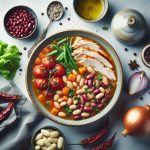
Vegetarian and vegan strategy: Pair incomplete plant proteins intentionally—examples include hummus with whole-grain pita or lentil soup with barley. These combos improve overall amino acid adequacy.
When considering supplements, consult a registered dietitian or physician for documented indications and safe dosing. Supplements are useful in specific contexts, such as medical malabsorption, high-performance sport, or targeted clinical therapy.
Serving Suggestions and Practical Meals
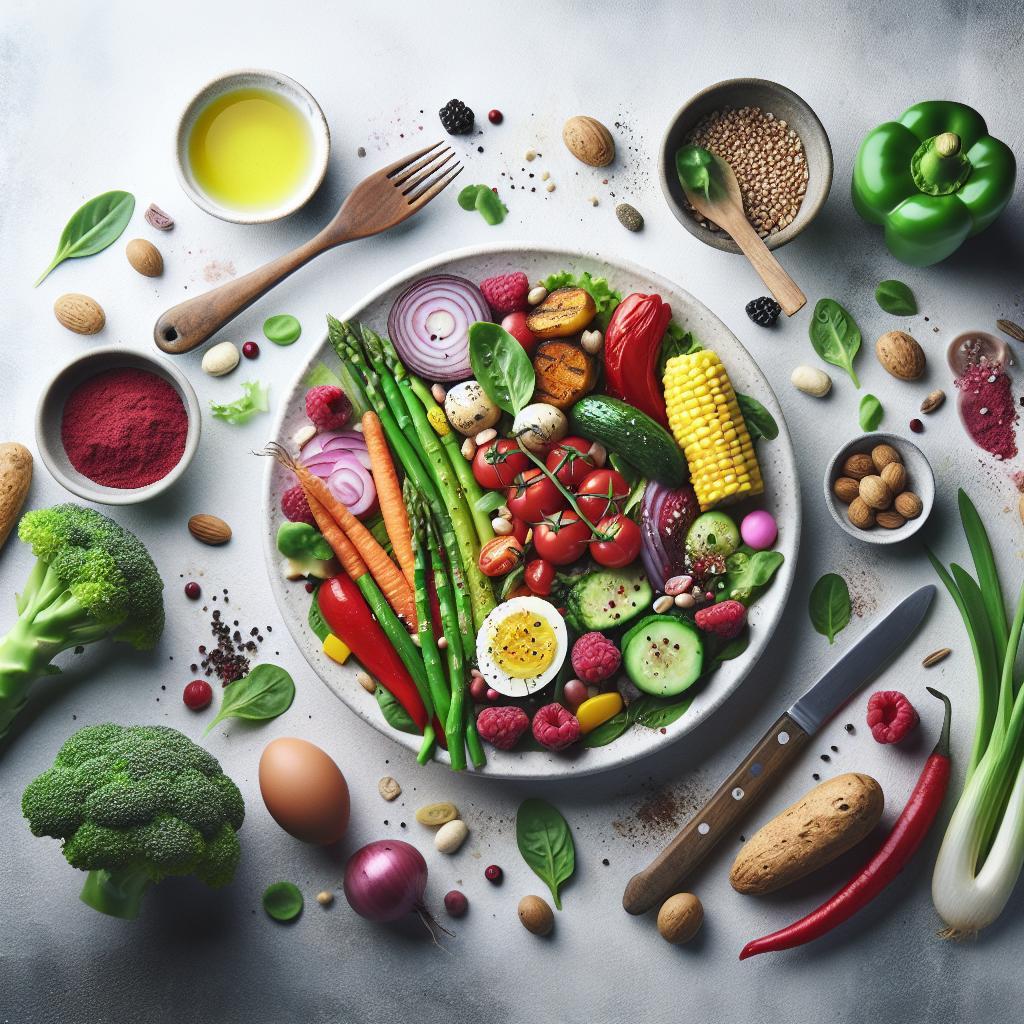
Construct plates with a protein source, colorful vegetables, and a whole-grain or starchy side to pair amino acids with vitamins and fiber. These combinations support digestion and nutrient uptake.
Example: Cooked quinoa topped with roasted chickpeas and fresh herbs delivers a near-complete profile of essential amino acids. Add a yogurt or lemon-tahini sauce for texture and extra leucine.

Nutrient Table: Sample Macro Breakdown
| Nutrient | Amount per Serving | Role |
|---|---|---|
| Calories | 350 kcal | Energy for metabolism and repair |
| Protein | 22 g | Provides essential amino acids for muscle and enzyme synthesis |
| Carbohydrates | 40 g | Supports cellular respiration and energy |
| Fat | 8 g | Assists in nutrient absorption and hormone production |
Science Notes and Further Reading
Amino acids function beyond protein assembly; some convert into neurotransmitters or act as direct signaling molecules. For example, tryptophan serves as a precursor for serotonin synthesis and impacts mood and sleep regulation.
Read the article on tryptophan for biochemical details. For metabolic regulation and growth signaling, review the literature on mTOR to understand how specific amino acids influence anabolic pathways.
Quality and Safety Considerations
A balanced diet meets the needs of most healthy adults. However, specific populations—infants, older adults, pregnant people, and athletes—may require tailored protein targets and timing adjustments to maintain function and recovery.
Clinical conditions like hepatic or renal impairment change amino acid handling; in those cases, clinicians use measured diets or medical formulas to manage nitrogen balance safely. For more on essential amino acids, consult essential amino acid resources.
Q&A
Q&A: Amino Acids Unveiled – Building Blocks of Life Explained
What exactly are amino acids?
Amino acids are small organic molecules that join via peptide bonds to form peptides and proteins. They contain an amino group, a carboxyl group, and a variable side chain that defines biochemical properties.
How many amino acids should we care about?
Biology generally uses 20 standard amino acids to build proteins. Of these, nine are essential for adults and must come from the diet to maintain protein synthesis and metabolic health.
Why are amino acids called the building blocks of life?
Amino acids link into chains that fold into functional proteins. Proteins catalyze reactions, structure tissues, transmit signals, and regulate gene expression—functions that sustain cells and organisms.
Do amino acids do anything besides make proteins?
Yes. Several amino acids serve as neurotransmitter precursors, metabolic fuels, or signaling modulators. For example, tryptophan converts to serotonin, and glutamine supports immune-cell metabolism.
How should I modify my diet to optimize amino acid intake?
Include complete proteins or combine complementary plant proteins across meals. Spread protein evenly through the day, include micronutrient-rich foods, and consult professionals when targeting higher-than-normal intakes.
Understanding amino acids equips you to make food choices that meet biochemical needs and support performance, recovery, and daily function. Apply these principles consistently for measurable benefit.
References and Practical Resources
For foundational reading, consult the Wikipedia entries referenced above and peer-reviewed nutrition guidelines from recognized authorities. Those sources summarize consensus recommendations and provide pathways for deeper study.
See also: Amino acids