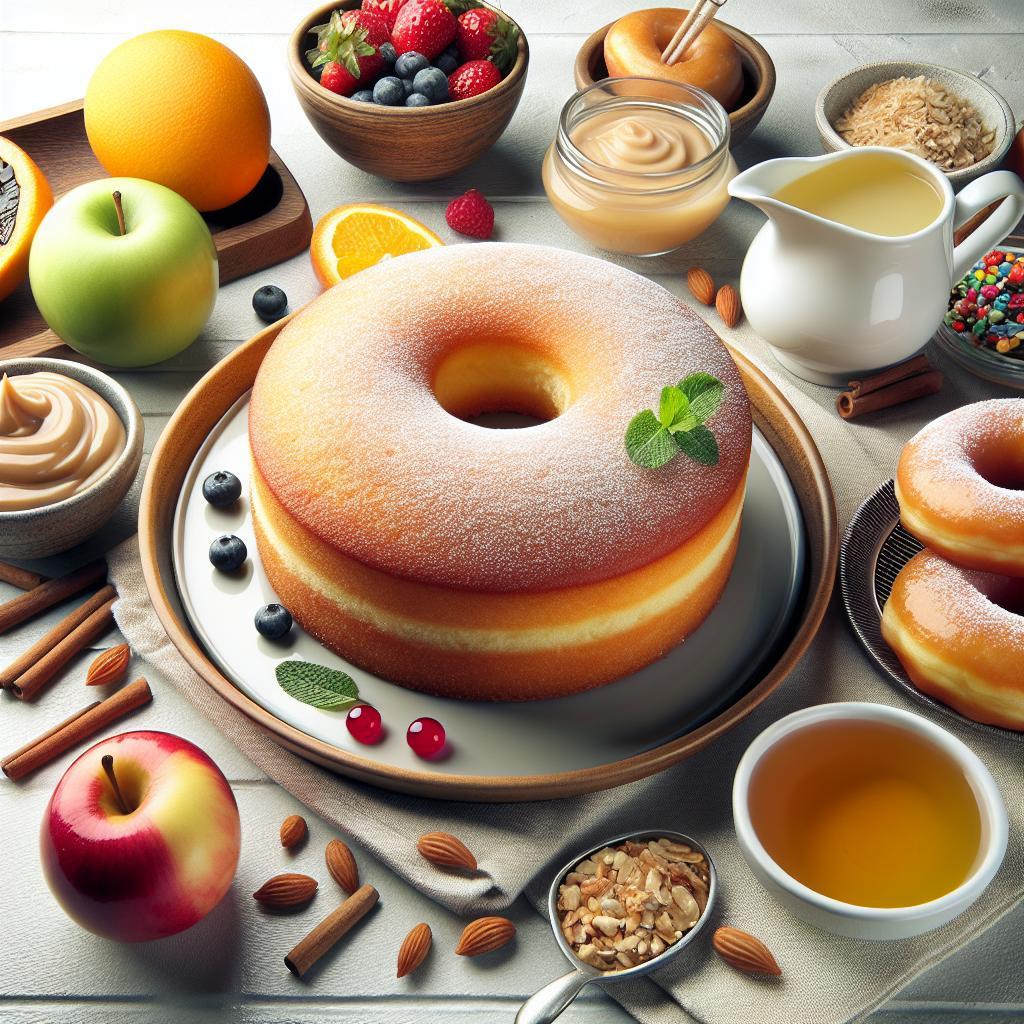

Cake vs. Yeast Donuts present two distinct paths to deliciousness. One relies on chemical leaveners and a dense crumb; the other depends on biological fermentation for an airy, pillowy result.
- Overview: What Sets Them Apart
- Prep and Cook Time
- Yield
- Difficulty Level
- Ingredients
- Instructions
- Tips for Success
- Serving Suggestions
- Nutrition Comparison
- FAQ
- What is the main technical difference between cake and yeast donuts?
- Which donut takes longer to make?
- Can you tell them apart by look and feel?
- Are either of them healthier?
- Can recipes be swapped between styles?
- Insights and Conclusions
- Texture difference: cake donuts are dense; yeast donuts are airy.
- Time & technique: cake donuts are quick; yeast donuts require proofing.
- Taste opportunities: cake donuts hold spices well; yeast donuts favor glazes and fillings.
- Frying control: temperature management prevents greasiness and ensures color.
Overview: What Sets Them Apart
Cake donuts start from a batter that uses a chemical leavener such as baking powder to rise. That batter bakes or fries into a tender, crumbly cake texture with good flavor carry.
Yeast donuts use live yeast and time to develop gas and structure. The result is a light crumb with subtle fermentation notes and a chew that glazes and fillings complement.
Prep and Cook Time
Preparation Time: 20 minutes for cake donuts; 30–45 minutes active for yeast donuts plus proofing. Yeast dough needs 1–1.5 hours to double depending on temperature.
Cooking Time: About 15 minutes total frying for each batch, plus cooling and glazing time. Allow an extra 20–30 minutes if you plan to glaze and set the finish.
Yield
This guide yields 12 donuts total: six cake-style and six yeast-raised. Quantities scale: double ingredients for a larger party without changing technique.
Plan oil capacity by batch size; overcrowding the fryer lowers oil temperature and makes donuts greasy. Fry in small batches for consistent color and texture.
Difficulty Level
Overall difficulty rates as medium. Cake donuts require accurate mixing and frying skills; yeast donuts demand dough-handling and proofing control.
Both reward attention to temperature. Mastery of kettle or deep-fryer heat and dough feel will produce professional results at home.
Ingredients
The ingredient lists differ by leavening method and hydration. Cake donuts use a thick batter with baking powder and baking soda; yeast donuts use flour, sugar, eggs, fat, and yeast with more development time.
Keep these principles in mind: stronger flour and higher hydration favor yeast donut structure, while cake donuts tolerate lower hydration and more sugar or spice additions.
- For Cake Donuts:
- 1 cup all-purpose flour, sifted
- 1/4 cup granulated sugar
- 1 tsp baking powder
- 1/4 tsp baking soda
- 1/4 tsp salt
- 1/2 tsp ground nutmeg
- 1/3 cup buttermilk, room temp
- 1 large egg
- 2 tbsp unsalted butter, melted
- 1 tsp vanilla extract
- Vegetable oil for frying
- For Yeast Donuts:
- 2 1/4 tsp active dry yeast (1 packet)
- 1/3 cup warm whole milk (110°F/43°C)
- 3 tbsp granulated sugar
- 2 large eggs
- 1/2 cup unsalted butter, softened
- 4 cups all-purpose flour, plus extra for dusting
- 1 tsp salt
- Vegetable oil for frying
- 1 tsp vanilla extract
- Glaze (optional for both):
- 2 cups powdered sugar
- 1/4 cup whole milk
- 1 tsp vanilla extract
Instructions
Prepare Yeast Donut Dough: Dissolve yeast in warm milk with 1 tsp sugar and wait until frothy, about 5–10 minutes. Combine 3 cups flour, remaining sugar, and salt in a large bowl before adding the yeast mix, eggs, butter, and vanilla.
Knead the dough until smooth and elastic, about 5 minutes on a floured surface. Place in a greased bowl, cover, and let rise 1–1.5 hours until doubled in volume.
Make Cake Donut Batter: Sift flour, baking powder, baking soda, salt, and nutmeg together. Whisk egg, sugar, buttermilk, melted butter, and vanilla in a separate bowl, then fold into dry ingredients until just combined.
Keep mixing minimal: a few lumps are fine and prevent a tough finished crumb. The batter should be thick, scoopable, and hold its shape briefly on a spoon.
Shape Yeast Donuts: Punch down the risen dough and roll it to 1/2-inch thickness. Cut with a 3-inch outer cutter and a 1-inch center cutter for classic rings; arrange on parchment and allow a 20–30 minute final proof until puffy.
For cake donuts, either pipe batter into a donut mold or drop spoonfuls carefully into oil. Maintain consistent sizes to ensure even frying times and uniform texture.
Fry Donuts: Heat oil to 350°F (175°C). Fry yeast donuts 1–2 minutes per side until golden, then drain on paper towels for a minute before glazing.
Fry cake donuts similarly, watching closely since they cook a touch faster. Use a thermometer and short batches to keep oil temperature steady for crisp, non-greasy results.
Glaze: Whisk powdered sugar, milk, and vanilla until smooth. Dip warm donuts halfway and place on a rack to set; allow glazing to cool before stacking.
Tips for Success
Temperature Check: Keep oil at 350°F for consistent color and minimal oil absorption. A candy or fryer thermometer helps maintain that sweet spot.
Gentle Kneading: Handle yeast dough just until smooth; over-kneading develops excess gluten and yields a tough bite. Aim for elasticity and a soft surface.
Mixing Batter: For cake donuts, mix only until ingredients come together. Overworking introduces too much gluten and ruins the tender crumb.
Make-Ahead: Yeast dough can chill overnight for improved flavor via slow fermentation; bring it to room temperature before shaping. This approach increases complexity without extra hands-on time.
Serving Suggestions
Serve cake donuts dusted with powdered sugar or cinnamon for a cozy, rustic profile. Their dense crumb pairs well with rich hot chocolate and spiced drinks.
Yeast donuts excel with shiny glazes and soft fillings: jam, custard, or light chocolate. Their soft texture complements bold coffee or bright, fruity teas.
For seasonal variations, fold spices into cake batter or add citrus zest to glazes for a fresh lift. Presentation matters: a light dusting or gloss makes donuts more inviting and increases perceived value.
Read more about the broader history and definitions at the doughnut entry and consult the leavening agent article for technical context on how chemical and biological leaveners work.
Nutrition Comparison
Below is a general guideline for calorie and macronutrient differences between a typical cake donut and a yeast donut. Values vary with size, frying time, and glaze.
| Donut Type | Calories | Protein | Carbs | Fat |
|---|---|---|---|---|
| Cake Donut | 210 kcal | 3 g | 28 g | 10 g |
| Yeast Donut | 250 kcal | 4 g | 30 g | 12 g |
FAQ
What is the main technical difference between cake and yeast donuts?
Cake donuts use chemical leaveners like baking powder to generate gas quickly during frying. That produces a tender, crumbly structure.
Yeast donuts rely on biological fermentation from yeast to produce carbon dioxide gradually. The dough develops a network of gas cells that yield a soft, elastic crumb.
Which donut takes longer to make?
Yeast donuts take longer because they need time to proof and often require two rises. Expect 2–3 hours including active and resting times for most yeast recipes.
Cake donuts are faster; mix the batter and fry within minutes. They suit same-day baking when time is limited.
Can you tell them apart by look and feel?
Yes. Yeast donuts usually appear smooth and puffy with a springy feel, while cake donuts look slightly textured and feel denser. The mouthfeel is the clearest indicator: cake donuts crumble slightly; yeast donuts bounce back.
Glaze and toppings can blur visual differences, so bite and texture are the reliable tests.
Are either of them healthier?
Both are fried and therefore treats rather than health foods. Yeast donuts often have less sugar per bite but can absorb more oil if frying temperature drops. Enjoy both in moderation.
To reduce calories, consider baking cake-style lumps or using an air-fryer technique for a lower-oil alternative, while noting texture and flavor will change.
Can recipes be swapped between styles?
No. Cake and yeast donuts use different base formulas and techniques. Swapping leaveners or directly converting a yeast recipe to a cake method usually fails because dough structure and hydration differ significantly.
Instead, choose the style that suits your time and flavor goals and follow a dedicated recipe for the best result.
Insights and Conclusions
The two classic donut styles deliver unique eating experiences: cake donuts offer a concentrated flavor and firmer bite, while yeast donuts provide airy texture and a light chew. Each style has clear advantages depending on the desired final product.
For home bakers, the choice often comes down to time and intended flavor profile. Use cake donuts when you need speed and spice integration; choose yeast donuts when you want a delicate, glazed canvas.

See also: Donuts