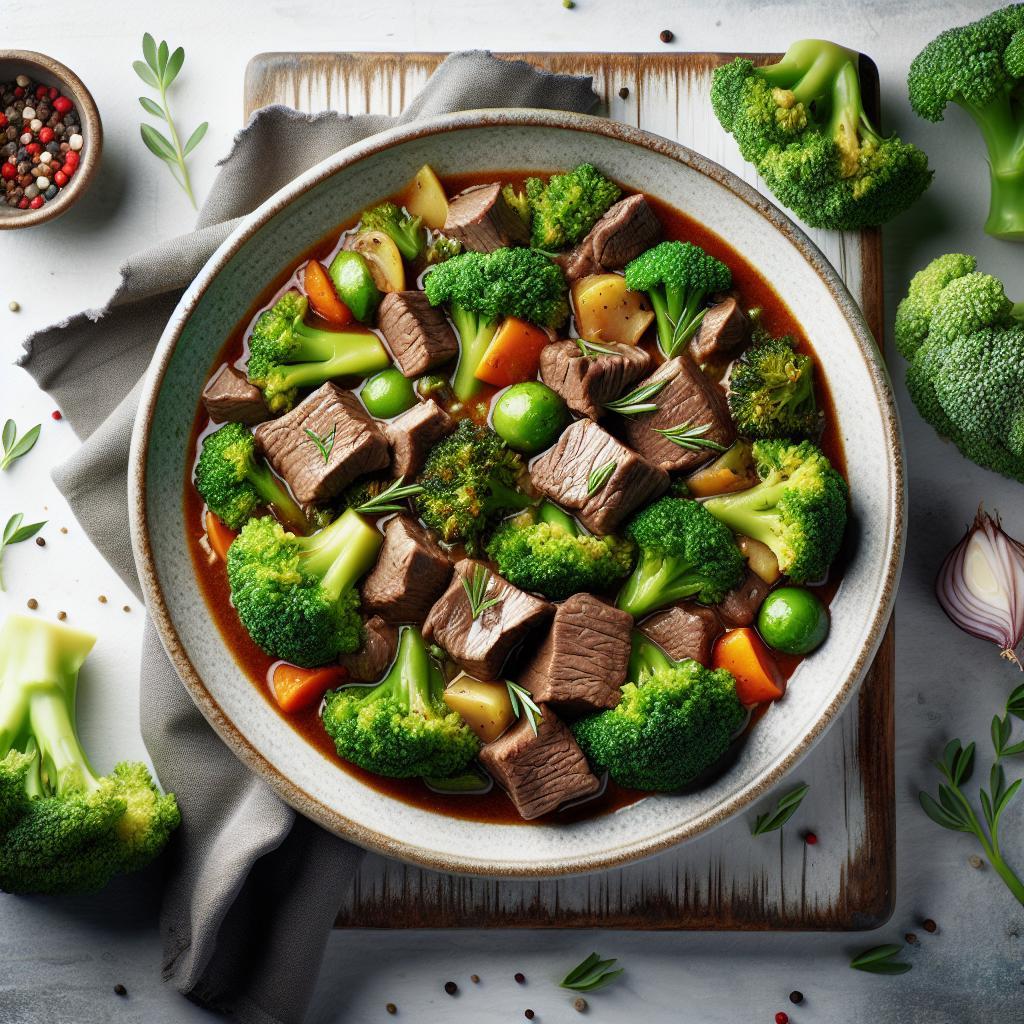

Beef Stew: Hearty Beef and Broccoli Stew
This beef stew combines slow-braised chuck with bright broccoli for a balanced, one-pot meal that tastes of rich umami and fresh green snap. The recipe uses searing, deglazing, and a controlled simmer to convert connective tissue into silky mouthfeel while keeping vegetables vibrant.
- Overview of this beef stew
- Prep and Cook Time for beef stew
- Yield and portions for beef stew
- Difficulty Level and technique notes
- Ingredients for beef stew
- Equipment and key techniques for beef stew
- Instructions
- Final seasoning and serving for beef stew
- Tips for success with this beef stew
- Serving suggestions for beef stew
- Nutritional snapshot
- Q&A — common technique questions
- The conclusion on beef stew technique
- FAQ
- Sear first: develop fond and concentrated flavor.
- Add broccoli late: preserve color and crisp-tender texture.
- Use flour dredge: it thickens naturally and avoids a gummy finish.
Overview of this beef stew
This beef stew pairs traditional braising technique with savory Asian seasoning to create depth without complexity. The method uses a long, low simmer to break down collagen and maximize tenderness.
The dish benefits from predictable technique: brown the meat, deglaze to lift fond, then finish with brief vegetable cooking. For background on the cooking method, see braising and how it extracts flavor efficiently.
Prep and Cook Time for beef stew
Preparation: 20 minutes. Plan to cut the chuck, dredge lightly, and measure aromatics before heat. Good mise en place reduces hands-on stress during the simmer.
Cook time: 2 hours 30 minutes of gentle braising. Maintain low heat to allow connective tissue to convert into gelatin. Total time: approximately 2 hours 50 minutes.
Yield and portions for beef stew
Serves 6 hearty portions, assuming 6–8 ounces of cooked beef per person plus vegetables and broth. Leftovers improve after sitting refrigerated overnight as gelatin firms and flavors meld.
For freezing, portion into airtight containers and label with date. Thaw overnight in the refrigerator for best texture when reheating.
Difficulty Level and technique notes
Medium. The recipe requires solid pan-searing and consistent simmer control, but it does not demand advanced skills. Focus on temperature control and timing for repeatable results.
If you know how to develop a fond and keep a low simmer, you will succeed. Newer cooks should follow the searing section step by step to avoid crowding the pan.
Ingredients for beef stew
Measure ingredients and set them out before you heat the pot. Mise en place prevents overcooking sensitive items like broccoli and gives a clean workflow.
Use a quality beef broth or a gelatinous bone broth to enhance mouthfeel and body. For context on beef varieties and cuts, consult beef.
- 2 lbs beef chuck, cut into 1-inch cubes
- 1/4 cup all-purpose flour, for dredging
- 3 tbsp vegetable oil or avocado oil
- 1 large onion, finely chopped
- 4 cloves garlic, minced
- 1 tbsp fresh ginger, minced
- 4 cups low-sodium beef broth
- 1/4 cup soy sauce (or tamari for gluten-free)
- 2 tbsp oyster sauce (optional)
- 1 tbsp brown sugar
- 1 tsp Chinese five-spice powder
- 1/2 tsp crushed red pepper flakes (adjust to taste)
- 1 lb broccoli florets, washed and trimmed
- 2 medium carrots, sliced on the diagonal
- 3 stalks green onions, sliced for garnish
- Salt and black pepper to taste
Equipment and key techniques for beef stew
Use a heavy-bottomed pot or Dutch oven to ensure even heat and reliable fond development during searing. A tight-fitting lid prevents excessive evaporation during the braise.
Control heat when searing to develop a deep brown crust without burning. Deglaze with a small amount of liquid to lift browned bits and concentrate flavor.
Instructions
Follow the sequence: prepare and dredge the beef, sear in batches, sauté aromatics, deglaze and build the braise, then simmer until tender. Timing ensures texture and flavor balance.
Finish by adding vegetables near the end so they remain bright and slightly crisp. Adjust seasoning only after vegetables join the pot to avoid oversalting early.
1. Prepare and Sear
Lightly dredge the beef cubes in flour and shake off excess. The flour helps form a crust and later contributes to gentle thickening in the braise.
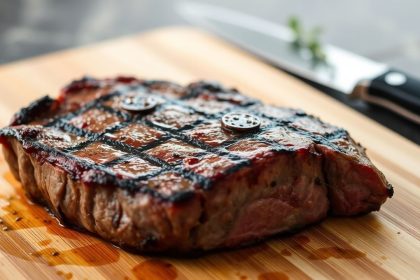
Heat oil in a Dutch oven over medium-high heat and sear beef in batches for 3–4 minutes per batch. Avoid overcrowding; too many pieces drop the pan temperature and prevent browning.
2. Sauté aromatics and deglaze
After removing the beef, reduce heat and sweat the onion, garlic, and ginger until translucent and fragrant, roughly 4–5 minutes. Keep the aromatics moving to prevent burning.
Pour a splash of soy sauce and scrape the fond to deglaze. Then add beef broth, oyster sauce, brown sugar, five-spice, and crushed red pepper, stirring to combine and create a cohesive braising liquid.
3. Simmer and finish the beef stew
Return the seared beef to the pot and bring the liquid to a gentle boil. Lower to a slow simmer, cover, and cook for about 2 hours until the meat becomes very tender and the broth concentrates.
Add broccoli florets and sliced carrots in the final 10–15 minutes. Cook until broccoli is bright green and crisp-tender; avoid overcooking to preserve texture and color.
Final seasoning and serving for beef stew
Taste and adjust with salt and pepper at the end. If the stew is too thin, uncover and reduce a few minutes to thicken; if too salty, add unsalted broth or a splash of water.
Ladle into bowls and garnish with sliced green onions. Serve the stew over steamed rice or creamy mashed potatoes to soak up the broth and complete the meal.
For meal prep, cool the stew quickly, refrigerate within two hours, and consume within three days. Proper storage preserves texture and safety.
Tips for success with this beef stew
Choose a well-marbled cut like chuck; connective tissue melts into gelatin during long, slow cooking and gives a silky mouthfeel. Trim excessive silver skin but leave some fat for flavor.
Control simmer temperature to maintain gentle bubbling. A rapid boil squeezes moisture and can make the meat fibrous. For set-and-forget convenience, brown the meat first and transfer to a slow cooker.
Serving suggestions for beef stew
Serve the stew over steamed jasmine rice or mashed potatoes to absorb the rich broth. Both pairings turn the bowl into a satisfying comfort meal for cool evenings.
For lighter service, offer a crisp cucumber salad or roasted root vegetables on the side. Sprinkle toasted sesame seeds or drizzle chili oil for contrast and an extra flavor layer.
Nutritional snapshot
Estimated per-serving values vary with exact ingredients and portion sizes. The table below gives a practical baseline for planning meals and adjusting dietary needs.
Use leaner cuts or reduced-sodium broth to lower calories and sodium respectively. Bone broth increases perceived richness with relatively little added fat.
| Nutrient | Per Serving |
|---|---|
| Calories | 410 |
| Protein | 38g |
| Carbohydrates | 18g |
| Fat | 22g |
Q&A — common technique questions
This section clarifies storage, texture, and seasoning choices to help you troubleshoot mid-cook. Refer back to the searing and simmering steps for control points.
Keep a tasting spoon on hand. Adjust toward the end of cooking when flavors concentrate and textures stabilize.
Q1: What makes this beef stew particularly comforting?
A1: Slow cooking converts collagen into gelatin, creating a rich mouthfeel. The contrast of tender beef and crisp broccoli provides balanced texture and layered savory notes.
Q2: How does broccoli enhance the stew?
A2: Broccoli adds color, nutrients, and a slight bitterness that cuts through the rich broth. Add it late so it remains vibrant and slightly crisp.
Q3: Can I prepare this stew ahead?
A3: Yes. Refrigerate in an airtight container for up to three days. Reheat gently to preserve the tender texture achieved during braising.
Q4: Does this stew freeze well?
A4: Yes. Freeze in portioned containers for up to three months. Thaw overnight in the refrigerator before reheating to maintain texture.
The conclusion on beef stew technique
Hearty beef and broccoli stew rewards straightforward technique with deeply satisfying results. Proper searing, controlled simmer, and late vegetable addition deliver consistent texture and flavor.
Choose the right cut, watch your simmer temperature, and add broccoli near the end to keep color and crunch. Follow these steps, and you will have a reliable, scalable family meal.
FAQ
How do I choose the best cut of beef for this stew?
Pick a well-marbled cut such as chuck roast or blade roast. These cuts contain connective tissue that breaks down into rich gelatin during slow cooking, improving mouthfeel.
Avoid very lean cuts like top round for this preparation; they can become dry and stringy when braised for long periods.
Can I use frozen broccoli?
Frozen broccoli works in a pinch but will release water and soften more than fresh. Add frozen florets toward the end and drain excess liquid if needed.
For best texture, use fresh broccoli trimmed into medium florets. Quick blanching before adding is optional to control final firmness.
What thickening methods work best?
A light flour dredge on the beef gives natural body to the braise and avoids a glossy, slimy finish. Alternatively, make a beurre manié or reduce the liquid to concentrate it.
Avoid overusing cornstarch as it can create a thin, glassy texture. Use starches sparingly for a cleaner mouthfeel.
How do I adjust saltiness if the stew is too salty?
Add unsalted broth or a small amount of water and simmer to rebalance. A peeled potato cooked briefly in the stew can absorb some salt but may change texture.
Taste toward the end of cooking; soy sauce and oyster sauce contribute sodium early, so add them with restraint while building layers.
Where can I read more about related techniques and ingredients?
Consult encyclopedic resources for background on cooking methods and ingredients. For example, read about slow cookers, broccoli, and soy sauce to expand technical context and ingredient function.
Those references clarify how equipment and condiments influence texture and flavor, helping you refine the recipe for personal preference.

See also: beef stew