

In the world of culinary experiments, yogurt stands out as a delicious canvas where science meets art. But what happens when the temperature dial is twisted-turned cooler or warmer than the usual cozy incubation spot? Does the culture quietly slumber, or does it burst into vibrant life, transforming milk into creamy goodness? In this exploration of yogurt-making at varied temps, we dive deep into the chilly chills and toasty embraces that shape texture, flavor, and probiotics. Whether you’re a curious kitchen alchemist or a seasoned dairy devotee, join us as we unravel how temperature swings turn mundane milk into a living, breathing delight.
Chilling or warming? yogurt-making at varied temps explored unlocks a fascinating world where science meets art, revealing how temperature intricately shapes the creamy texture and nuanced flavors of homemade yogurt. This ancient probiotic delight has journeyed from traditional fermenting pots to modern kitchens, inviting culinary enthusiasts to master its delicate balance of culture, time, and heat.
Prep and Cook Time
Preparation: 20 minutes
Incubation: 6 to 12 hours (temperature-dependent)
Total Time: Approximately 7 to 12 hours
Yield
About 1 quart (4 cups) of rich, velvety yogurt
Difficulty Level
Easy to Medium – Perfect for adventurous home cooks curious about fermentation science
Ingredients
- 1 quart whole milk (or 2% for lighter yogurt)
- 2 tablespoons plain yogurt with live active cultures (as starter)
Instructions
- Heat the milk in a heavy-bottom saucepan over medium heat until it reaches 180°F (82°C). This step denatures proteins, improving texture and thickness. Stir gently and remove from heat once the target temperature is met.
- Cool milk to 110°F (43°C) using a thermometer for accuracy-this is the ideal inoculation temperature where beneficial bacteria thrive without being scalded.
- Combine starter yogurt with a few tablespoons of cooled milk in a small bowl; whisk until smooth. Gradually whisk this mixture into the rest of the cooled milk to evenly distribute cultures.
- Incubate the mixture in a warm environment maintaining 100°F to 115°F (38°C-46°C). Use a yogurt maker, oven with light on, or insulated cooler. Incubation time varies: 6 hours yields a milder flavor and looser texture, while closer to 12 hours produces tangier, thicker yogurt.
- Check yogurt starting at 6 hours by gently tilting the container. If it jiggles slightly and has set, refrigeration can begin.
- Chill the yogurt for at least 4 hours to fully develop its creamy consistency and flavor complexity. This cooling step is critical for optimally thick texture and subtle sweetness.
Tips for Adjusting Temperature to Perfect Your Yogurt Batch
Exploring the temperature spectrum reveals that slightly lower incubation (around 100°F/38°C) creates a delicate, custard-like yogurt, ideal for those who cherish mild, creamy notes with softer texture. Conversely, higher-range incubation (110-115°F/43-46°C) fosters faster fermentation, resulting in a tangier profile with firmer body and enhanced probiotic activity.
For failed batches that are too runny, increase incubation temperature by 1-2 degrees or extend time by an hour to promote more bacterial activity. If overly tart or dense, reduce temperature slightly and shorten fermentation for a balanced outcome.
Exploring the Flavor Profiles at Different Incubation Levels
At lower ranges near 100°F, yogurt develops lush creaminess with subtle sweet undertones-perfect for those seeking a gentle probiotic boost. As incubation rises to 110-115°F, acid production intensifies, creating deeply tangy notes reminiscent of Greek styles, paired with a firmer, spoonable texture that holds toppings elegantly.
Optimal Temperature Ranges for Homemade Yogurt Success
The sweet spot resides between 105°F and 112°F (40°C-44°C), achieving harmony between tanginess and creaminess. Strict temperature control is essential: too cool stunts bacterial growth; too warm can kill cultures or cause whey separation.
Chef’s Notes
- Milk choice: Whole milk yields richer yogurt; for low-fat versions, 2% works well but expect a thinner finish.
- Starter selection: Use a plain yogurt with live active cultures-avoid flavored or ultra-pasteurized varieties.
- Incubation tips: Use a kitchen thermometer to monitor temperature precisely. Even small fluctuations change texture and taste dramatically.
- Make-ahead: Once set and chilled, yogurt lasts up to 2 weeks refrigerated. Stir gently before serving for added creaminess.
- Troubleshooting: Whey separation is normal; simply stir back for smoothness. If yogurt stays runny, try longer incubation or adding powdered milk to milk before heating to enhance thickness.
Serving Suggestions
Enjoy your homemade yogurt chilled with a drizzle of honey, a sprinkle of toasted nuts, and fresh berries for a vibrant breakfast or refreshing snack. For culinary flair, dollop onto spiced granola or swirl into savory dishes like chilled cucumber soup or warm rice pilaf.
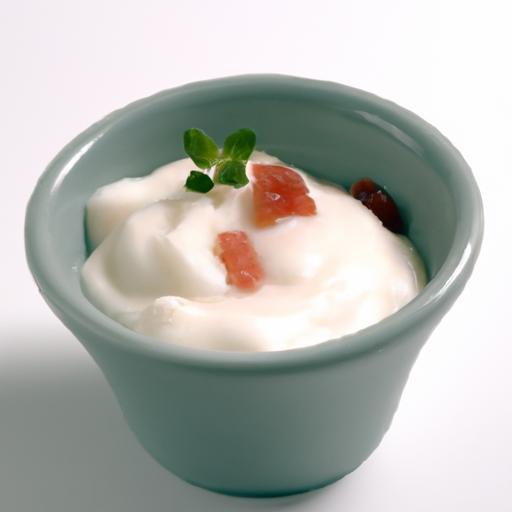
Visual Tip: A layered parfait with creamy white yogurt contrasting vibrant berry reds and glossy golden honey showcases the beautiful transformation unlocked by mindful temperature control.
| Nutrient | Per 1 Cup Serving |
|---|---|
| Calories | 150 kcal |
| Protein | 8 g |
| Carbohydrates | 12 g |
| Fat | 8 g |
Explore more techniques in our Fermentation Basics Guide and deepen your homemade yogurt mastery. For scientific insights on microbial cultures, visit this detailed study at NCBI.

Q&A
Q&A: Chilling or Warming? Yogurt-Making at Varied Temps Explored
Q1: Why does temperature matter in yogurt-making?
A1: Temperature is the secret conductor in the symphony of yogurt fermentation. It dictates how friendly bacteria like Lactobacillus bulgaricus and Streptococcus thermophilus perform their magic-transforming milk into creamy, tangy yogurt. Too cold, and these microbes sulk; too hot, and they perish. The right warmth awakens them to multiply and craft that perfect texture and flavor.
Q2: What’s the traditional temperature range for making yogurt?
A2: Classic yogurt ferments best between 110°F to 115°F (43°C to 46°C). This cozy range is a microbial sweet spot where bacteria thrive, multiplying swiftly without stress, leading to a smooth, mildly tart tartness many cherish.
Q3: Can yogurt be made at lower temperatures?
A3: Absolutely! Chilling the process slows the bacteria’s party, stretching fermentation from hours into days. The result? Yogurt with a subtler tang and a thicker body, thanks to prolonged bacterial activity and gradual acid production. Cold fermentation is like a slow-cooked symphony-rich with complexity.
Q4: How does warmer temperature affect yogurt-making?
A4: Cranking up the heat speeds up fermentation but can also stress or kill the cultures if it gets too high (above 120°F/49°C). This rush can produce tangier yogurt quickly but may compromise creaminess or create a grainy texture. It’s a heat dance-balance is key!
Q5: What are some creative temperature techniques for yogurt enthusiasts?
A5: Experimenters might try “warm start/ cold finish” methods-begin fermenting at 110°F for several hours, then chill to firm up texture and mellow acidity. Others use incubation devices like sous-vide baths or yogurt makers with precise temp control, unlocking consistency and creativity.
Q6: Does temperature affect the probiotic benefits of yogurt?
A6: Yes, temperature can influence probiotic viability. Gentle, sustained warmth encourages robust bacterial growth, enhancing probiotic numbers. Extreme heat can deactivate these beneficial microbes, reducing health perks. So, balancing temperature preserves both flavor and function.
Q7: What’s the takeaway for home yogurt makers?
A7: Temperature is your yogurt’s best friend and biggest challenge! Play with warmth and chill to discover your ideal tang, thickness, and probiotic punch. Whether you chill-slow or warm-quick, understanding the role of temperature unlocks the art and science behind every spoonful of homemade yogurt.
Closing Remarks
As we’ve journeyed through the cool chills and cozy warmths of yogurt-making, it’s clear that temperature is more than just a number-it’s the silent artist shaping flavor, texture, and tang. Whether you prefer the slow, tangy dance of a chilly culture or the brisk, creamy symphony of warmth, understanding these thermal nuances unlocks a world of homemade yogurt possibilities. So next time you set your thermometer, remember: in the realm of yogurt, chilling and warming aren’t just steps, but vibrant stories waiting to unfold in your kitchen. Happy culturing!