
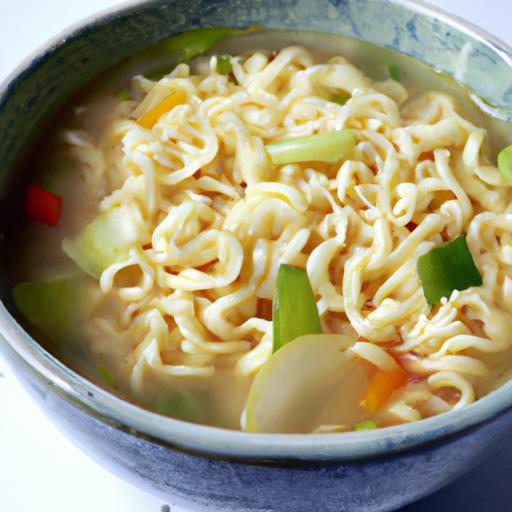

In the bustling world of quick meals, few culinary wonders have achieved the cult status of the instant noodle cup. Beyond its convenience and comforting flavors lies a fascinating tapestry of science-a precise chemistry that transforms humble dried noodles, powdered seasonings, and hot water into a steaming bowl of satisfaction within minutes. This article peels back the lid on the science behind the perfect instant noodle cup, exploring how molecular magic, packaging innovation, and carefully balanced ingredients come together to deliver that iconic bite of al dente texture and umami explosion. Join us as we unravel the delicious chemistry making instant noodles a global phenomenon, proving that even the simplest meals are a blend of art and science.
The Science Behind the Perfect Instant Noodle Cup Chemistry: Unlocking Culinary Harmony
The science behind the perfect instant noodle cup chemistry reveals a fascinating interplay of ingredient precision and cooking techniques that create the beloved, soul-satisfying comfort food we crave. Originating from East Asia’s innovative food culture, instant noodles blend meticulous starch and water interaction, savvy seasoning science, and heat transfer mastery to delight millions worldwide. Whether you’re a busy professional, a late-night snacker, or a culinary adventurer, understanding these elements unlocks your power to elevate instant noodles from a quick fix to a gourmet experience.
Prep and Cook Time
Preparation: 5 minutes Cooking: 4 minutes Total Time: 9 minutes
Yield
Serves 1 generous portion
Difficulty Level
Easy – Ideal for food lovers seeking to understand and optimize instant noodle chemistry at home.
Ingredients
- 1 cup boiling water (precise temperature is key for starch gelatinization)
- 1 pack of your favorite instant noodles (freshness impacts starch response)
- 1 sachet seasoning pack (unlocking the flavor matrix*)
- 1 tsp soy sauce (enhances umami synergy)
- 1 tsp toasted sesame oil (for aromatic depth)
- 1 green onion, finely sliced (freshness boosts presentation)
- Optional: 1 boiled egg, halved (protein complements texture)
- Optional: ½ cup fresh vegetables (spinach, mushrooms) for color and nutrition
Instructions
- Boil the water: Heat water to a rolling boil (212°F/100°C), ensuring optimal heat transfer to propel starch molecules into the perfect gelatinized state.
- Prepare the noodles: Place the instant noodles in a heat-resistant bowl or cup. Add boiling water just enough to cover the noodles – too much water dilutes flavor and texture.
- Timing is everything: Cover and let noodles soak for 3-4 minutes, allowing starches to absorb water and swell uniformly. Stir gently halfway to prevent clumping but maintain structure.
- Unlock the flavor matrix: While the noodles rest, open your seasoning pack. Add the dry seasoning first, then gently mix in the sachet liquids (if provided). This layering preserves volatile aroma compounds which unlock deep flavor sensations.
- Incorporate heat-sensitive ingredients: Stir in soy sauce and sesame oil for additional flavor chemistry and richness.
- Assemble and garnish: Drain excess water if preferred for a firmer bite. Transfer noodles neatly into your serving vessel. Add green onions, optional boiled egg halves, and fresh vegetables as desired. The brightness and textural contrast elevate each bite.
Tips for Success
- Water temperature: Using water that’s too cool causes uneven starch gelatinization, resulting in mushy or brittle noodles. Test with a kitchen thermometer if unsure.
- Stirring: Gentle stirring prevents breaking noodles but promotes even cooking. Avoid vigorous mixing which releases excess starch and turns broth cloudy.
- Seasoning layering: Adding seasoning liquids after dry powders keeps volatile aromatics intact for peak sensory engagement.
- Freshness matters: Store seasoning packs and noodles in airtight containers to preserve flavor and optimal starch characteristics.
- Experiment: Add a splash of miso or chili paste for bold variations without overpowering the delicate chemistry balance.
Serving Suggestions
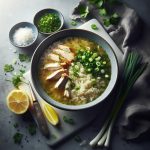
Present your instant noodle creation in a tasteful bowl garnished with brightly sliced green onions and a boiled egg half perched atop for luxurious appeal. Add crisp, steamed greens or thinly sliced shiitake mushrooms as accents for color contrast and nutritional boost. A drizzle of chili oil or a sprinkle of toasted sesame seeds takes visual and flavor sensations to new heights, inviting the senses on a textural and aromatic journey.

| Nutrient | Amount per Serving |
|---|---|
| Calories | 350 kcal |
| Protein | 10 g |
| Carbohydrates | 55 g |
| Fat | 8 g |
For deeper insights into optimizing noodle varieties and seasoning blends, explore our comprehensive noodle recipe guide. To understand starch gelatinization further, check out this scientific analysis on starch-water-heat interaction.
Q&A
Q&A: The Science Behind the Perfect Instant Noodle Cup Chemistry
Q1: What makes instant noodles cook so quickly compared to traditional pasta?
A: Instant noodles are pre-cooked through frying or steaming before packaging, which drastically reduces their cooking time. This pre-treatment partially gelatinizes the starch, making the noodles absorb hot water rapidly and soften within minutes.
Q2: How does the noodle cup’s design contribute to the cooking process?
A: The cup’s material-often foam or plastic-is a thermal insulator that traps heat efficiently. This heat retention creates an ideal microenvironment for the starch and proteins in the noodles to rehydrate and reconfigure quickly, ensuring evenly cooked noodles right in the cup.
Q3: Why is the dehydrated soup base so flavorful without refrigeration?
A: The soup base uses a blend of dehydrated spices, seasonings, and flavor compounds that are chemically stable at room temperature. Many are in powdered form, allowing them to dissolve quickly and release intensely concentrated flavors when hot water is added.
Q4: What role do the oils and fats play in instant noodle cups?
A: Oils not only add richness and mouthfeel but also help preserve the noodles by creating a moisture barrier. Additionally, the frying oils used during noodle preparation contribute to a desirable crunch and aroma, enhancing the overall sensory experience.
Q5: How does the noodle’s texture balance softness with a slight chew?
A: The texture comes from the precise chemistry of the wheat starch and gluten network, manipulated during manufacturing. Pre-cooked noodles are dried to a moisture level that, upon rehydration, allows the starch to swell without collapsing, yielding that ideal springy bite.
Q6: Are there any interesting chemical reactions happening when you add hot water?
A: Yes! Hot water triggers starch gelatinization-molecules absorb water and swell, disrupting crystalline structures. Also, Maillard reaction remnants from frying contribute to flavor development as they dissolve, and some seasoning ingredients may undergo mild hydrolysis, intensifying umami and aromas.
Q7: Can the heat from the hot water impact nutritional value?
A: While some sensitive vitamins may degrade with heat, most of the macronutrients like carbohydrates and proteins remain intact. The quick cooking time actually helps preserve more nutrients than longer boiling methods might.
Q8: Is there innovation happening to make instant noodle chemistry even better?
A: Absolutely! Researchers are exploring alternative flours, gluten modifications, and more natural flavoring compounds to enhance nutrition, reduce sodium, and improve texture-all while keeping the chemistry that delivers that perfect quick-cook experience.
Q9: In simple terms, why does the instant noodle cup feel like magic?
A: It’s all about carefully orchestrated chemistry and engineering. The noodles, seasoning, and container are designed to work in harmony so that a simple addition of boiling water transforms dry bits into a hot, flavorful meal almost instantly-science making convenience delicious!
To Conclude
As the steam rises from your perfectly crafted instant noodle cup, remember-what seems like a simple snack is actually a marvel of chemistry in action. From the precise balance of starch gelatinization to the delicate dance of flavor compounds and the clever engineering of the lid to trap that savory aroma, every element is a result of meticulous scientific orchestration. So next time you savor that quick, comforting bite, take a moment to appreciate the intricate science simmering beneath the surface-a testament to how even the humblest meals can be a symphony of chemistry perfected for your enjoyment.