
By using this site, you agree to the Privacy Policy and Terms of Use.
Accept
CookOrBitCookOrBitCookOrBit
  • Home
  • About Us
  • Ingredient Science
    • Flavor & Aroma
    • Protein Chemistry
    • Sugar & Starch
    • Fats & Emulsions
  • Cooking Techniques
    • Searing & Grilling
    • Baking & Roasting
    • Boiling & Steaming
    • Low & Slow
  • Kitchen Experiments
    • DIY Ferments
    • Flavor Tests
    • Gadget Testing
    • Molecular Gastronomy
  • Food Myths
    • Searing Myth
    • 5-Second Rule
    • MSG Myths
    • Microwave Myths
  • Tools
  • More
    • Extra Picks
    • Quick & Easy
      • Breakfast Ideas
      • Desserts
      • Snacks
      • Soups
    • Global Flavors
      • Asian Street Eats
      • Latin Comforts
      • Mexican Flavors
      • Modern Mediterranean
CookOrBitCookOrBit
  • Home
  • About Us
  • Ingredient Science
  • Cooking Techniques
  • Kitchen Experiments
  • Food Myths
  • Tools
  • More
Search
  • Home
  • About Us
  • Ingredient Science
    • Flavor & Aroma
    • Protein Chemistry
    • Sugar & Starch
    • Fats & Emulsions
  • Cooking Techniques
    • Searing & Grilling
    • Baking & Roasting
    • Boiling & Steaming
    • Low & Slow
  • Kitchen Experiments
    • DIY Ferments
    • Flavor Tests
    • Gadget Testing
    • Molecular Gastronomy
  • Food Myths
    • Searing Myth
    • 5-Second Rule
    • MSG Myths
    • Microwave Myths
  • Tools
  • More
    • Extra Picks
    • Quick & Easy
    • Global Flavors
Follow US
  • Advertising Policy: 10 Practical Rules for Safe, Compliant Ads
  • Contact Us
  • Cookie Policy: Clear Guide for Site Owners
  • Copyright Notice Guide: 7 Essential Rules for Website Owners
  • Disclaimer
  • Privacy Policy
  • Terms of Service
By Fimaw.com
Unlock the Juiciest Shredded Chicken: Perfect Whole Bird Cooking Tips
CookOrBit > Blog > Cooking Techniques > Boiling & Steaming > 7 Pro Tips for Juiciest Shredded Chicken
Boiling & Steaming

7 Pro Tips for Juiciest Shredded Chicken

William J. Kroll
By William J. Kroll
Published: January 12, 2026
Share
SHARE

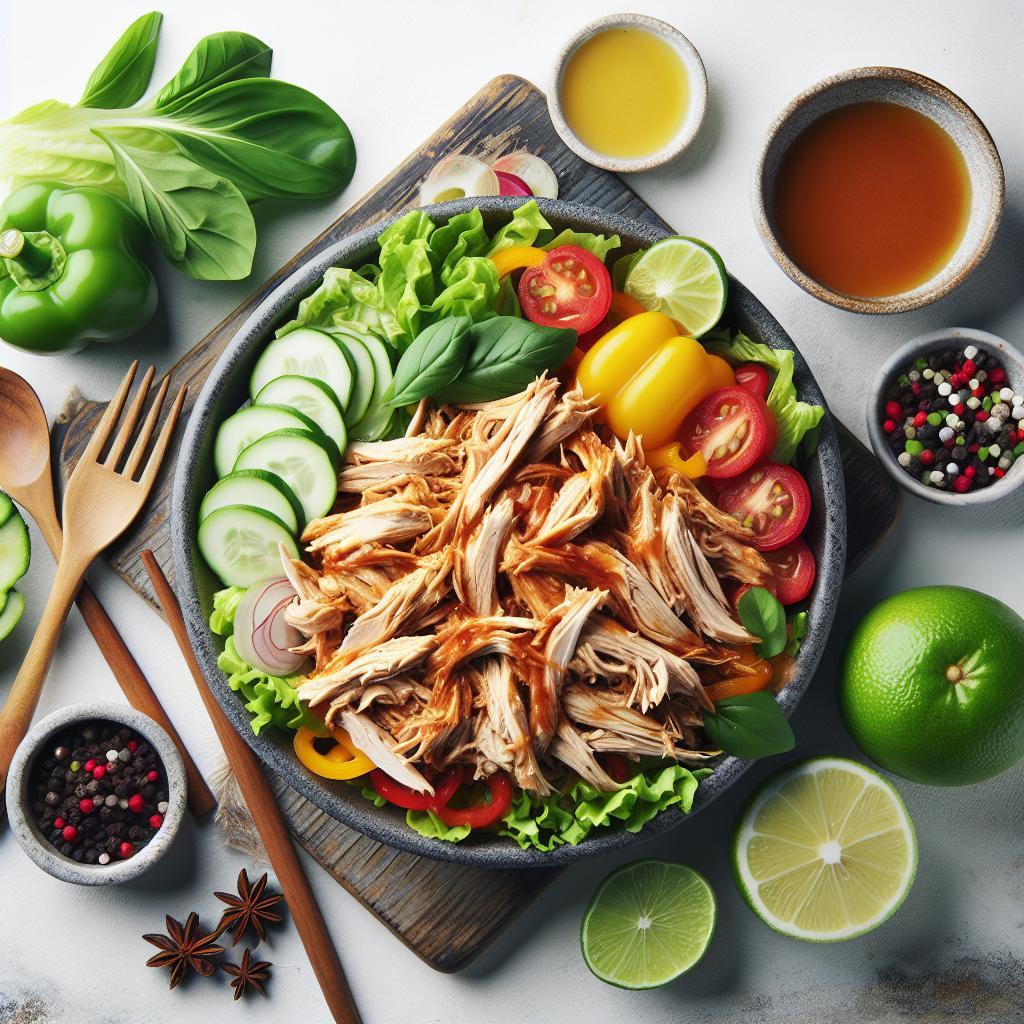
There is a clear difference between dry shredded chicken and meat that stays juicy after shredding. Mastering whole-bird cooking gives you consistent, tender results and better yield than working with parts alone.

Contents
  • Why cook a whole chicken for shredding?
  • Key techniques that lock in juiciness
    • Temperature and timing
  • Step-by-step roast and shred
    • Equipment and small techniques
  • Practical recipe outline
  • Flavor routes and use-cases
  • Serving, storage, and yield management
  • Tips for success
  • FAQ
    • How long should I brine a whole chicken?
    • What internal temperature guarantees safety and juiciness?
    • Should I remove the skin before cooking?
    • Can I use a slow cooker or pressure cooker?
    • How do I reheat shredded chicken without drying it?
  • Cook whole: bones and skin add moisture and flavor.
  • Use low heat: gentle roasting breaks down collagen for tenderness.
  • Rest and reserve juices: redistribute fluids and preserve juiciness.
  • Use a thermometer: accuracy prevents overcooking and food-safety risks.

Why cook a whole chicken for shredding?

Cooking an entire bird gives you access to richer flavor and more consistent moisture than isolated cuts. The bones and skin release juices and soluble collagen as they heat, which improves mouthfeel and yield when you shred the meat.

For background on how chicken behaves during cooking, see the chicken (food) entry. That context explains why whole-bird methods often outperform boneless pieces for pulled-style dishes.

- Advertisement -

Key techniques that lock in juiciness

Brining, controlled oven temperature, and proper resting form the core of reliable results. Each step manipulates moisture retention and protein structure to preserve tenderness and flavor.

Brine combines salt and water to increase the bird’s water-holding capacity; basic science on the process is summarized at Brine. When you pair brining with heat management you convert collagen into gelatin without pushing muscle proteins into a dry state.

Temperature and timing

Use lower oven temperatures for longer periods when targetting shreddable meat. Slow, steady heat encourages collagen breakdown in connective tissue while preventing the muscle fibers from tightening and expelling moisture.

- Advertisement -

Always confirm doneness with a reliable thermometer. Refer to the practical guidance on measurement tools at food thermometer, and aim for safe internal temperature while letting residual heat finish the job.

Step-by-step roast and shred

Start by seasoning or brining the bird, then roast breast-side up on a rack above a shallow pan. The rack boosts air circulation and helps the skin crisp while the pan collects juices you can later use to rehydrate shredded meat.

After roasting, tent the bird and rest it for 10–20 minutes. Resting lets muscle fibers relax and reabsorb juices; this step directly affects how moist your final shreds will be.

- Advertisement -

Equipment and small techniques

Use an instant-read thermometer, a roasting rack, and tongs. For fast shredding, a stand mixer on low with the paddle or two forks works well for consistent strand size.

Save the pan drippings and strain them. Skim excess fat and reserve the flavorful liquid; a splash over shredded meat restores juiciness and intensifies flavor without watering the dish down.

Practical recipe outline

Preheat oven to 375°F (190°C) for a balanced roast that yields crispy skin and tender meat. Rub the bird with oil and a salt-forward spice mix, then roast until a thermometer reads 165°F (74°C) in the thigh.

Let the bird rest, then remove skin and bones and shred meat into strands. Toss the shredded meat with a few tablespoons of strained pan juices or low-sodium broth to keep each bite moist and flavorful.

💡 Expert Insight
Expert Insight: For deep, consistent moisture, brine a 3–4 lb bird for 3–6 hours in a basic solution: 1/4 cup kosher salt per quart of water. Keep the brine cold and refrigerate the bird while it soaks. Brining increases water uptake and seasons the meat through and through.

Flavor routes and use-cases

Shredded chicken is a universal building block. Adjust spices to fit tacos, sandwiches, salads, soups, or casseroles depending on cuisine and desired profile.

For acidic brightness, add a squeeze of lemon or vinegar at the finish. For a smoky profile, add smoked paprika or finish the shredded meat briefly under a broiler to introduce char notes.

⚠️ Pro-Caution
Pro-Caution: Always cool shredded chicken quickly if you plan to store it. Place it in shallow containers and refrigerate within two hours of cooking to reduce bacterial growth risk. Reheat to an internal temperature of 165°F (74°C) before serving.

Serving, storage, and yield management

Store shredded chicken in airtight containers with a splash of reserved juices to keep it from drying. Refrigerate up to 3–4 days or freeze in portions for up to three months.

Plan for roughly 3–4 ounces of cooked shredded chicken per sandwich and 4–6 ounces per main course serving. Whole-bird cooking typically yields more usable meat and better value than buying pre-cut pieces.

Tips for success

Use a two-stage approach: initial high heat to set the skin, then lower temperatures to finish. This combination preserves crisp skin if you plan to serve it while converting connective tissue for shredding.

Rotate or baste during roasting if your oven has hot spots. Monitor internal temperature near the thickest part of the thigh rather than the breast to avoid overcooking lower-moisture areas.

Nutrient Per Serving (approx.)
Calories 210 kcal
Protein 28 g
Carbs 0 g
Fat 10 g

For additional guidance on roasting technique, see our internal Roast Chicken Perfection Guide. To learn more about salt handling and brining options, consult our Brining Guide.

FAQ

The FAQ below answers common practical questions about whole-bird shredding and storage. Each answer focuses on actionable steps you can use in the kitchen immediately.

These questions cover cooking choices, safety, texture, and shortcuts that preserve quality without extra effort.

How long should I brine a whole chicken?

Brine times depend on bird size and salt concentration. For a 3–4 lb chicken, 3–6 hours in a basic brine delivers noticeable tenderness and even seasoning.

Longer brines intensify salt uptake; keep the bird refrigerated and avoid over-brining to prevent a mealy texture.

What internal temperature guarantees safety and juiciness?

Target 165°F (74°C) in the thickest part of the thigh for safe consumption. Use an instant-read thermometer to avoid guesswork.

Remove the bird at target temperature and rest it; carryover heat will stabilize the final internal temperature while juices redistribute.

Should I remove the skin before cooking?

Leave the skin on while roasting to shield the meat and trap moisture. Remove it after resting if you prefer skinless shredded meat or want to crisp it separately for garnish.

Keeping the skin on improves both flavor and moisture retention during the cook, especially for longer low-temperature roasts.

Can I use a slow cooker or pressure cooker?

Yes. A slow cooker on low for 6–8 hours or a pressure cooker on high for ~25–30 minutes (then natural release) yields tender meat that shreds easily.

Adjust seasonings because slow and pressure cooking concentrate or dilute flavors differently; reserve some cooking liquid to correct final moisture and taste.

How do I reheat shredded chicken without drying it?

Warm shredded chicken gently in a skillet with a splash of broth or reserved pan juices over low heat. Use short bursts in the microwave covered with a damp paper towel when time is tight.

Avoid high heat and long reheating intervals because muscle proteins tighten and eject moisture when overheated.

See also: shredded chicken

7 Proven Ways High Heat Makes Pita Puff Perfectly
Unlock Flavor: 7 Practical Ways Deglazing Captures Searing’s Essence
Searing Oils: 9 Proven Oils for High-Heat Perfection
Unlocking The Stall: 8 Expert Strategies to Overcome Plateaus
Unlocking Flavor: 7 Scientific Secrets of Toasting Nuts & Seeds
TAGGED:andbriningchickenFood thermometerjuiciestmeat tendernessOven roastingroast and shredshredded chickentheunlockwhole chicken
Share This Article
Facebook Pinterest Whatsapp Whatsapp LinkedIn Telegram Threads
What do you think?
Love0
Sad0
Happy0
Sleepy0
Angry0
Dead0
Wink0
Previous Article The Science Behind Crafting the Perfect Croissant Crust 9 Expert Steps to a Perfect Croissant Crust
Next Article Unlocking Flavor: The Art and Science of Sous Vide Cooking Unleash Flavor: 7 Sous Vide Techniques for Perfect Steak
Creamy Garlic Chicken with melted Parmesan and fresh herbs on a rustic white plate
Garlic Chicken: 7 Ultimate Brilliant Recipes to Make the Best-Ever Creamy Garlic Chicken with Parmesan & Fresh Herbs
Extra Picks
Colorful bowls of Leftover Couscous transformed into salads, fritters, and stuffed peppers.
12 Amazing Practical Leftover Couscous Ideas: Brilliant Ways to Reuse and Remix
Uncategorized
Colorful jars of spice blends beside steaming couscous with herbs and lemon
7 Ultimate spice blends That Transform Your Couscous — Amazing Best Flavor Boosts
Uncategorized
Bowls of gluten-free couscous alternatives: quinoa, millet, cauliflower, and rice
10 Amazing couscous alternatives: Best Gluten-Free Swaps for Incredible Flavor
Uncategorized

Tags

and art baked baking science baking techniques Baking tips batch cooking beef behind browning techniques butternut squash caramelization cast iron skillet chemistry chicken comfort food Cooking science cooking technique Cooking techniques Cooking tips crafting creamy creamy soup crispy culinary science fish flavor flavor chemistry food food safety Food science for garlic golden Ground turkey hearty heat high-heat cooking high protein meals how instant read thermometer Lean protein magic Maillard reaction make ahead meals make ahead soup mastering meal prep Meal prep recipes meat thermometer microwave microwave cooking moisture control one pot meals Pan searing perfect perfectly Plant based protein Probe thermometer protein denaturation Quick dinners roasted roasted squash roasted tomato soup Roasted vegetables Roasting techniques savor savory science Searing technique Searing techniques secrets slow cooking squash steak steak cooking sweet temperature control the top turkey turkey soup turkey stew ultimate umami cooking umami flavor unlock unlocking unveiling vegetable velvety weeknight dinner Weeknight dinners weeknight meals what when why with your zesty
March 2026
M T W T F S S
 1
2345678
9101112131415
16171819202122
23242526272829
3031  
« Feb    

You Might Also Like

Savor the Warmth: Mastering the Art of Roasted Tomato Soup
Extra Picks

7 Pro Tips to Master Roasted Tomato Soup

William J. Kroll
William J. Kroll
February 12, 2026
تغير بروتينات الألبان تحت الحرارة موضح بتجارب علمية ومراحل مخبرية
Protein Chemistry

7 Essential Transformations of Dairy Proteins Under Heat

William J. Kroll
William J. Kroll
September 1, 2025
- Protein Powder Magic: Boosting Recipes with Power and Taste
Protein Chemistry

Protein Powder Magic: 7 Proven Ways to Boost Recipes with Power and Taste

William J. Kroll
William J. Kroll
November 1, 2025
- How Fat Unlocks and Carries Flavor: The Secret Ingredient
Flavor & Aroma

7 Proven Fat Flavor Techniques That Work

William J. Kroll
William J. Kroll
November 10, 2025
Zesty Lemon Herb Chicken Thighs: A Flavorful Roast Guide
Extra Picks

7-Step Zesty Lemon Chicken Thighs: Flavorful Roast Guide

William J. Kroll
William J. Kroll
January 16, 2026
Savor the Richness: The Art of Roasted Tomato Soup
Extra Picks

Savor the Richness: 7 Expert Steps to Roasted Tomato Soup

William J. Kroll
William J. Kroll
February 16, 2026
Follow US
By Fimaw.com © All Rights Reserved.
  • Advertising Policy: 10 Practical Rules for Safe, Compliant Ads
  • Contact Us
  • Cookie Policy: Clear Guide for Site Owners
  • Copyright Notice Guide: 7 Essential Rules for Website Owners
  • Disclaimer
  • Privacy Policy
  • Terms of Service
Welcome Back!

Sign in to your account

Username or Email Address
Password

Lost your password?