
There’s something almost magical about a perfectly cooked corned beef-the tender, melt-in-your-mouth texture, the rich, savory aroma, and the complex dance of flavors that awaken the palate. But beneath this culinary delight lies a fascinating world of chemistry at work, quietly transforming a humble cut of brisket into a sumptuous feast. In this article, we embark on a flavorful journey to unlock the secrets behind corned beef’s distinct taste and texture, revealing how science and tradition blend to create a dish that’s as much about molecules and reactions as it is about family tables and festive celebrations. Get ready to delve into the chemistry behind cooking corned beef and discover why every bite tells a story of transformation.
Unlocking Flavor: The Chemistry Behind Cooking Corned Beef
Unlocking flavor begins with understanding the delicate balance of science and technique-especially when it comes to cooking corned beef. This classic dish, celebrated for its tender texture and rich, savory profile, owes much of its charm to the transformative processes of brining, the Maillard reaction, and carefully optimized cooking methods. As you dive into this recipe, you’ll discover not only the “how” but the “why” behind each step, empowering you to create a corned beef experience that’s deeply satisfying and perfectly nuanced.
Prep and Cook Time
- Prep Time: 20 minutes (plus 5-7 days for brining)
- Cook Time: 3 to 4 hours (slow simmer) or 1 hour (pressure cooking)
Yield
Serves 6-8 hearty portions
Difficulty Level
Medium – Perfect for home cooks eager to master culinary chemistry
Ingredients
- 5 lbs beef brisket, flat cut
- 1 cup kosher salt
- 1/2 cup sugar (preferably brown or turbinado)
- 2 tbsp pink curing salt (Prague Powder #1)
- 4 cups water, plus more for soaking
- 4 cloves garlic, smashed
- 2 tbsp black peppercorns
- 1 tbsp mustard seeds
- 1 tbsp coriander seeds
- 4 bay leaves
- 1 tsp crushed red pepper flakes (optional, for subtle heat)
- 3-4 sprigs fresh thyme
- 1 large onion, quartered
- 2 carrots, peeled and halved
- 2 stalks celery, halved
Instructions
- Prepare the brine: Combine kosher salt, sugar, pink curing salt, and 4 cups of water in a large pot. Heat gently just until salts and sugar dissolve. Remove from heat and allow to cool completely to room temperature.
- Add spices and aromatics: Toss in garlic, black peppercorns, mustard seeds, coriander seeds, bay leaves, red pepper flakes, fresh thyme, and onion quarters to the cooled brine. Stir to meld flavors.
- Brine the brisket: Fully submerge the beef brisket in the brine within a non-reactive container or zip-lock bag. Weigh it down with a plate if necessary, then refrigerate for 5 to 7 days, turning every 48 hours to ensure even curing. This slow brine is key to penetrating the meat with flavor and moisture, enhancing tenderness.
- Rinse and soak: At the end of brining, remove beef and rinse thoroughly under cold water to wash away excess salt. Soak in fresh cold water for 1-2 hours, changing water once, to moderate saltiness.
- Cook the corned beef (choose your method):
- Slow Simmer: Place brisket in a large pot with carrots, celery, onion, and enough water to cover. Simmer on low, partially covered, for 3 to 4 hours until fork-tender.
- Pressure Cooking: Add brisket and aromatics to pressure cooker with enough water or broth. Cook on high pressure for 60 minutes, then use natural release for best texture.
- Rest and slice: Remove corned beef and let it rest for 10-15 minutes before slicing against the grain. This ensures juicy tenderness.
- Serve with traditional sides: Pair with cabbage, boiled potatoes, or mustard-spiked horseradish sauce to complete the experience.
Chef’s Notes: Tips for Success
- Why brine? The curing salts not only preserve but also create a tender texture by breaking down muscle proteins-this is the science of unlocking flavor through enzymatic action.
- Maillard Magic: While corned beef is typically boiled or steamed, a quick sear after cooking can caramelize surface sugars and proteins, creating deeper, signature flavors through the Maillard reaction. Try searing slices in a hot cast-iron skillet for 2-3 minutes per side for added complexity.
- Optimizing cooking: Slow simmering allows gradual collagen breakdown for velvety softness. Pressure cooking accelerates this but requires precise timing to avoid texture becoming mushy.
- Spice harmony: Mustard and coriander seeds provide bright, warm notes that balance the rich meatiness. Feel free to customize by adding juniper berries or allspice for a unique spin.
- Make-ahead: Corned beef improves in flavor after resting cooled overnight. Reheat gently to maintain tenderness.
Serving Suggestions
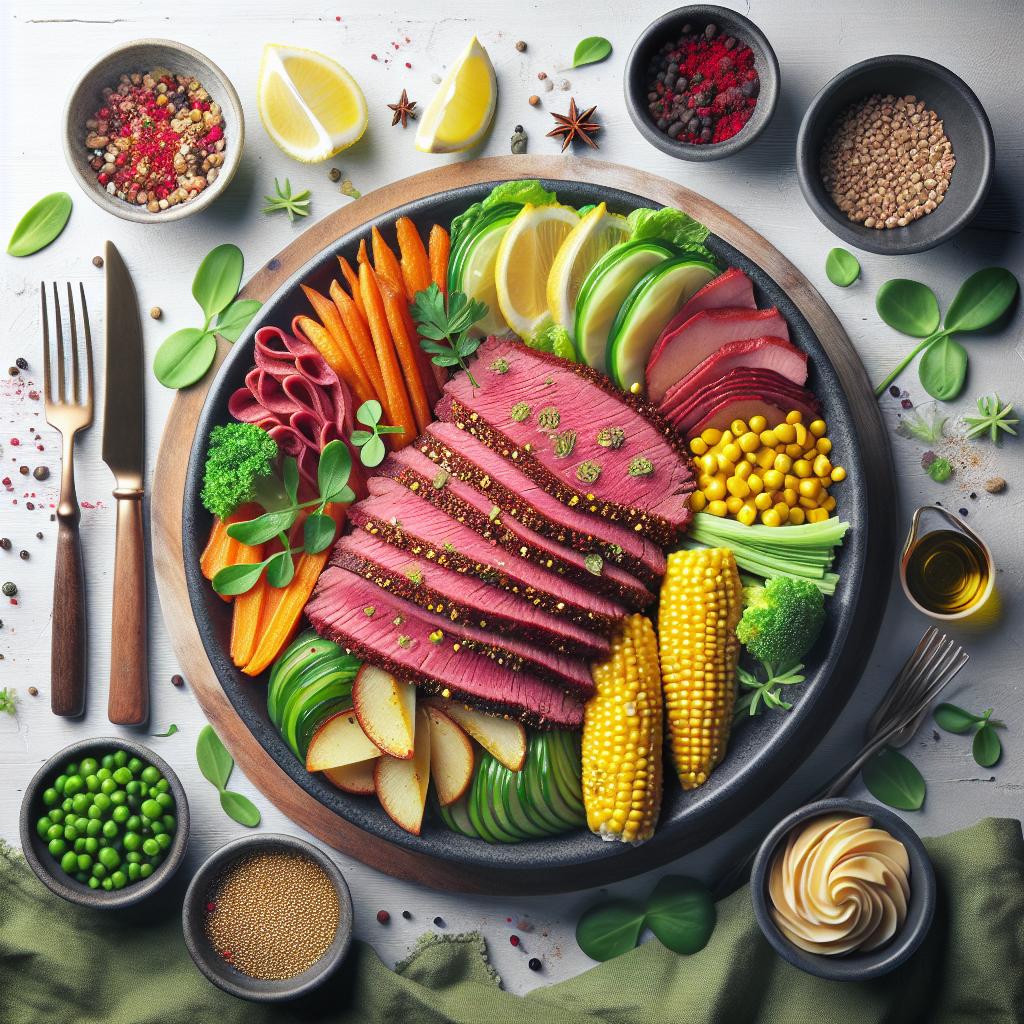
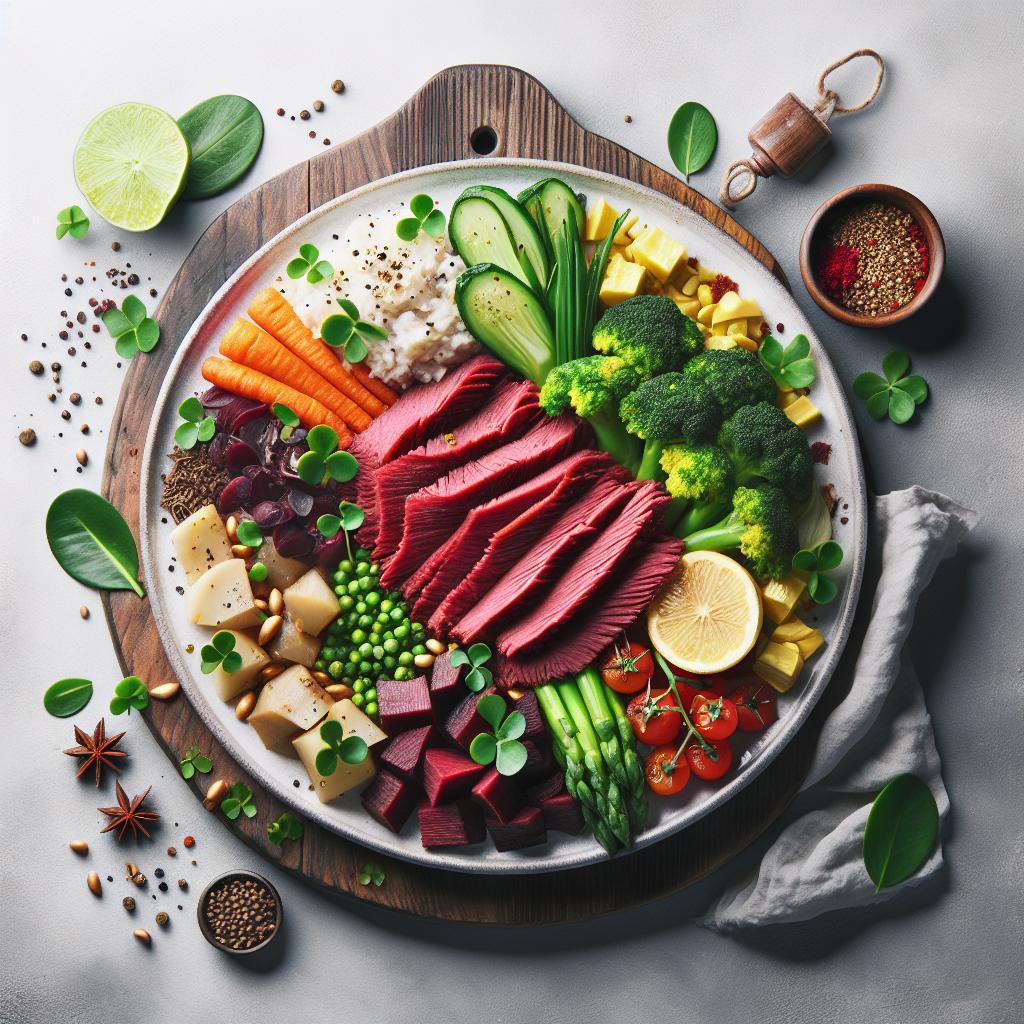
Present your corned beef sliced thick on a rustic wooden board, accented with steamed cabbage wedges and honey-glazed carrots. Garnish with fresh thyme sprigs and a dollop of spicy mustard or creamy horseradish sauce for vibrant contrast. A hearty slice of rye bread or buttery boiled potatoes rounds out this comforting feast beautifully.

| Nutrient | Per Serving |
|---|---|
| Calories | 380 kcal |
| Protein | 45 g |
| Carbohydrates | 5 g |
| Fat | 18 g |
For more on flavor-enhancing cooking techniques, explore our comprehensive guide. To deepen your understanding of the Maillard reaction, visit ScienceDaily’s in-depth article.
Q&A
Q&A: Unlocking Flavor – The Chemistry Behind Cooking Corned Beef
Q1: What exactly is corned beef, and how does chemistry play a role in its flavor?
A1: Corned beef is a cut of beef, usually brisket, cured in a salt brine with spices. The “corned” part comes from the large grains or “corns” of salt used in the curing process. Chemically, this curing initiates a series of reactions-salt draws moisture out of the meat, breaking down muscle fibers and enhancing tenderness, while the curing agents and spices infuse unique flavor compounds. It’s a delicious dance of salts, proteins, and aromatics unlocking rich flavors.
Q2: How does the curing process transform the beef at the molecular level?
A2: During curing, sodium chloride (table salt) penetrates the meat and causes proteins like myosin to denature and unwind. These changes allow the meat to hold onto water better, resulting in a juicier, more succulent texture. Moreover, nitrates or nitrites often added in curing prevent harmful bacterial growth and give corned beef its characteristic pink hue by transforming myoglobin molecules.
Q3: Why is the cooking method important in flavor development for corned beef?
A3: Slow cooking corned beef in liquid, such as simmering or braising, encourages collagen in the brisket to break down into gelatin. This gelatin coats your tongue with a silky mouthfeel. The low and slow heat also allows spices infused during brining-like peppercorns, bay leaves, and mustard seeds-to slowly release their aromatic oils, layering the meat with complex flavors.
Q4: Can Maillard reaction occur with corned beef, and does it affect flavor?
A4: Absolutely! Although corned beef is often boiled or braised, if you brown it afterward-say, in a hot pan or under the broiler-the Maillard reaction kicks in. This chemical reaction between amino acids and sugars at high heat generates a golden crust bursting with nutty, savory, and roasted flavors, adding a new dimension to the tender meat inside.
Q5: How do the spices in the brine influence the final taste?
A5: Spices such as coriander, cloves, garlic, and mustard seeds contain volatile oils and compounds like eugenol, allyl isothiocyanate, and citral. Over hours, these compounds dissolve and infuse the meat, harmonizing with the salty, savory base to produce a nuanced bouquet. Essentially, the brine acts as a flavor reservoir, slowly seeping aromatic chemistry into every bite.
Q6: Can understanding the chemistry behind corned beef improve how I cook it?
A6: Definitely! Knowing that salt both preserves and tenderizes, or that slow heat transforms tough collagen into luscious gelatin, empowers you to manipulate the process for better results. For instance, a longer soak in the brine intensifies flavor, while finishing with a sear enhances texture through Maillard browning. Chemistry isn’t just for labs-it’s your secret ingredient in the kitchen.
Q7: Are there any tips to maximize flavor using chemistry principles when cooking corned beef?
A7: Yes! Try simmering the beef gently to preserve moisture, allow ample time for collagen breakdown, and don’t rush the spice infusion. After cooking, rest the meat to let juices redistribute-protein fibers relax, improving tenderness. To boost aroma and texture, finish with a quick sear or broil. Ultimately, your best flavor unlocks when you respect the chemical journey of the meat.*
Unlocking the chemistry behind cooking corned beef transforms a humble dish into a gourmet experience, inviting both science buffs and food lovers alike to savor the perfect balance of salt, spice, texture, and aroma.
Insights and Conclusions
As the savory aroma of tender corned beef fills the kitchen, it’s clear that cooking is much more than a simple act-it’s a flavorful symphony orchestrated by chemistry. By understanding the intricate dance between salt, heat, and time, we unlock the secrets behind corned beef’s rich texture and mouthwatering taste. This fusion of science and tradition transforms humble ingredients into a culinary masterpiece, reminding us that every bite carries a story written in molecules. So the next time you savor corned beef, take a moment to appreciate the chemistry at work-because in the world of cooking, flavor is truly a delicious science waiting to be explored.