
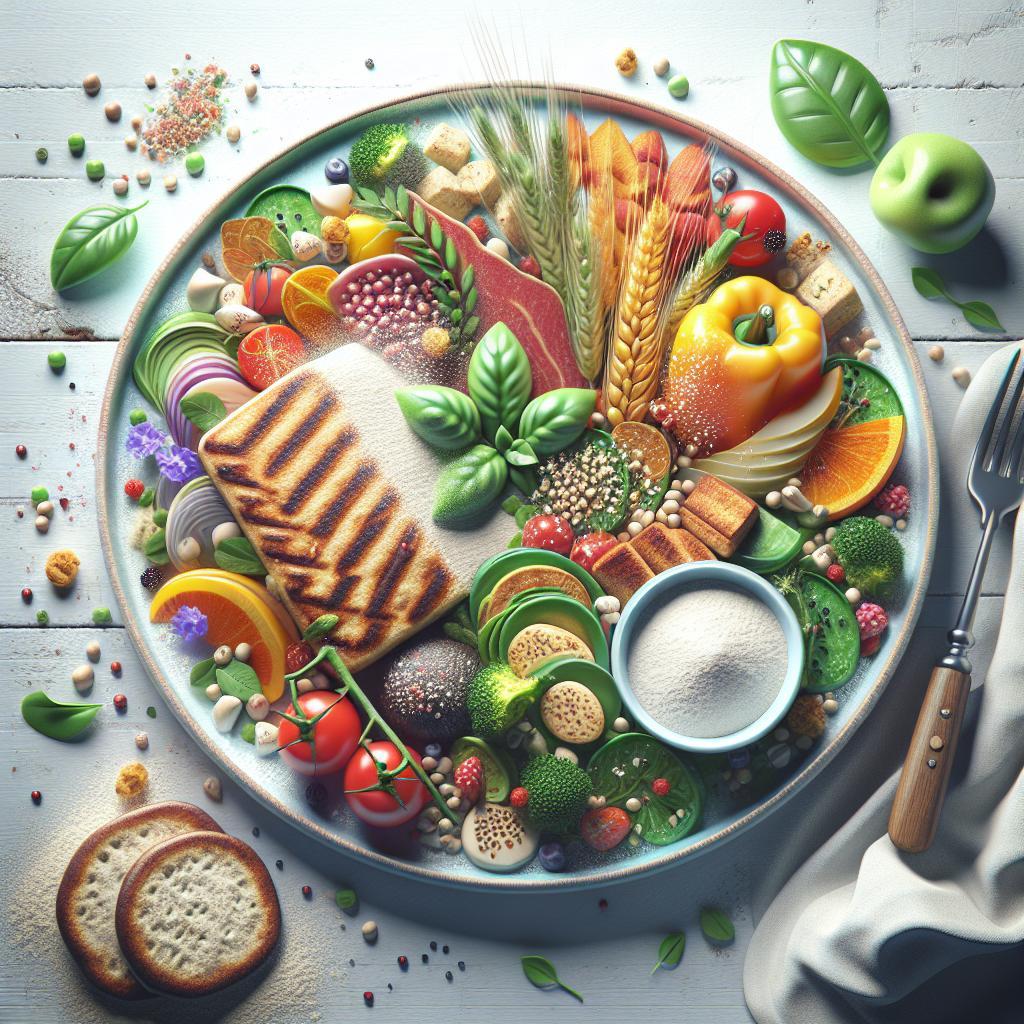

In the ever-evolving world of baking and nutrition, gluten-free flours have carved out a vibrant niche, promising delicious creations for those with dietary restrictions and curious food lovers alike. But beneath their powdery surfaces lies a fascinating story, one woven from the complex tapestry of proteins that define texture, flavor, and nutritional value. Unlocking the secrets of these proteins is not just a scientific quest-it’s the key to transforming gluten-free baking from a challenge into an art. Join us as we delve into the hidden world of protein structures, interactions, and innovations that are reshaping how we understand and use gluten-free flours, unlocking new potential for wholesome, irresistible delights.
Unlocking Protein Secrets in Gluten-Free Flours: Elevate Your Baking
Unlocking protein secrets in gluten-free flours is the gateway to mastering texture and flavor in your baked creations. Unlike traditional wheat flours that owe their elasticity and structure to gluten, gluten-free flours each bring their own unique protein profiles to the mix. Understanding these nuances allows you to craft moist, tender, yet structurally sound breads, cakes, and pastries that rival their gluten-containing counterparts.
Prep and Cook Time
- Preparation: 15 minutes
- Cooking/Baking: 25-30 minutes
- Total Time: 40-45 minutes
Yield
Makes 8 moderately sized muffins or 1 9-inch loaf
Difficulty Level
Medium – Ideal for bakers familiar with gluten-free flour blends but eager to enhance protein content and texture.
Ingredients
- 1 cup brown rice flour (provides neutral flavor and moderate protein)
- 1/2 cup almond flour (rich in protein and healthy fats for moistness)
- 1/4 cup tapioca starch (boosts chewiness and binding)
- 1/4 cup pea protein isolate (high protein source that improves structure)
- 2 tsp baking powder (gluten-free, for leavening)
- 1/2 tsp baking soda
- 1/2 tsp xanthan gum (mimics gluten elasticity)
- 1/4 tsp fine sea salt
- 2 large eggs (binds and adds protein)
- 1/2 cup plain Greek yogurt (protein-rich for tenderness)
- 1/3 cup pure maple syrup
- 1/4 cup melted coconut oil (adds moistness)
- 1 tsp pure vanilla extract
- Optional: 1/2 cup fresh berries or chopped nuts (for added texture)
Instructions
- Preheat your oven to 350°F (175°C). Grease or line a muffin tin or loaf pan with parchment paper.
- Combine dry ingredients: In a large mixing bowl, whisk together the brown rice flour, almond flour, tapioca starch, pea protein isolate, baking powder, baking soda, xanthan gum, and sea salt. This blend balances protein content and texture beautifully.
- Mix wet ingredients: In a separate bowl, beat the eggs, then add Greek yogurt, maple syrup, melted coconut oil, and vanilla extract. Stir until smooth and glossy.
- Incorporate the wet into dry: Pour the wet ingredients into the dry mixture. Gently fold until just combined – avoid overmixing to maintain a tender crumb.
- Add optional mix-ins: If using berries or nuts, fold them in evenly, distributing texture and flavor bursts.
- Transfer batter: Spoon the batter evenly into the prepared muffin tin or loaf pan, smoothing the tops lightly.
- Bake: Place in the oven. Muffins typically take 20-25 minutes; loaf versions will need 30-35 minutes. Check doneness with a toothpick; it should come out clean or with a few moist crumbs.
- Cool: Let your baked goods cool for 10 minutes in the pan before transferring to a wire rack to cool completely. This resting phase is crucial for proteins to set the structure properly.
Chef’s Notes and Tips for Success
- Protein synergy: Combining nut flours with pea protein creates a complementary protein boost enhancing both moisture retention and crumb strength.
- Adjust liquid ratios: Gluten-free flours absorb differently; if batter feels too dry or thick, add a tablespoon of milk or water, one at a time.
- Xanthan gum alternatives: If sensitive, substitute with ground flaxseed (1 tbsp ground flaxseed + 3 tbsp water = 1 tbsp xanthan gum equivalent).
- Make-ahead: These muffins or loaf slices freeze well for up to 1 month. Thaw at room temperature or toast lightly before serving.
- Boost flavor: Add warm spices like cinnamon or nutmeg to the dry mix for a cozy twist.
Serving Suggestions
Serve these protein-enriched gluten-free muffins warm, slathered with a pat of grass-fed butter or a spread of almond butter for additional protein punch. Garnish with a sprinkle of toasted chopped almonds, a drizzle of honey, or a dusting of powdered sugar for an elegant finish. Pair with a cup of herbal tea or your favorite coffee to highlight the rich, nutty undertones.

| Nutrient | Per Muffin |
|---|---|
| Calories | 180 kcal |
| Protein | 6 g |
| Carbohydrates | 22 g |
| Fat | 8 g |
For further insights on combining gluten-free flours for protein enhancement, explore our guide on advanced gluten-free flour blends. Also, for a deep dive into protein quality and baking science, visit ScienceDaily’s article on protein innovations in baking.
Q&A
Q&A: Unlocking Protein Secrets in Gluten-Free Flours
Q1: Why is protein important in flours, especially gluten-free ones?
A1: Protein acts as the backbone of dough, providing structure, elasticity, and chewiness. In traditional wheat flour, gluten proteins create a stretchy network essential for bread’s texture. Gluten-free flours, however, lack these proteins, so understanding their unique protein content helps bakers mimic that structure and bake delicious, chewy treats without gluten.
Q2: Do all gluten-free flours have protein?
A2: Absolutely! While they don’t contain gluten, many gluten-free flours-like chickpea, almond, and teff-are protein-packed. The type and amount of protein vary, influencing how these flours behave in recipes. For instance, chickpea flour has a robust protein profile that can add density and moisture, while rice flour is lower in protein and tends to yield lighter textures.
Q3: How do the proteins in gluten-free flours differ from gluten?
A3: Gluten is a unique protein complex that creates stretchy, elastic networks. Gluten-free proteins, on the other hand, don’t naturally form these bonds. Instead, they offer varying functional properties-some absorb water well, others bind fats or help with browning. Exploring these differences helps bakers combine flours and additives (like xanthan gum or psyllium husk) to recreate that coveted gluten effect.
Q4: Can understanding these proteins help improve gluten-free baking?
A4: Definitely! When bakers unlock the protein secrets in gluten-free flours, they learn to balance moisture, texture, and rise more artfully. For example, combining higher-protein flours like quinoa with starchier ones like tapioca can produce bread with great crumb and chew. This knowledge transforms baking from guesswork to a scientific art.
Q5: What’s the best way to experiment with protein in gluten-free flours?
A5: Start blending! Combine different flours to balance texture and nutrition. Use protein-rich flours for structure and lighter ones for fluffiness. Add natural binders if needed, observe how dough behaves, and adapt hydration levels. Treat your kitchen like a lab – test, taste, and tweak until you crack the protein puzzle.
Q6: Any final thoughts on protein and gluten-free flour?
A6: Embrace the diversity of proteins beyond gluten! Each gluten-free flour brings its own nutritional benefits and baking quirks. By understanding their protein profiles and interactions, you unlock new culinary possibilities-turning gluten-free baking into a creative adventure bursting with flavor and texture.
The Conclusion
As we journey deeper into the world of gluten-free flours, the intricate dance of proteins within these alternative grains reveals itself as both a challenge and an opportunity. Unlocking these protein secrets not only enriches our understanding but also empowers bakers and food scientists to craft gluten-free creations that rival their traditional counterparts in texture, nutrition, and flavor. With each discovery, we move closer to a future where gluten-free doesn’t mean compromise, but rather innovation-a celebration of nature’s diverse bounty in every bite.