

Whipping Wonders: Crafting Meringue on a Humid Day
There is something undeniably magical about a glossy meringue—light as a cloud, crisp outside and tender inside. Humidity complicates the process, but a clear technique and the right ingredient choices resolve most problems.
- Control moisture: Dry air or dehumidification improves drying and stability.
- Stabilize proteins: Acid and cornstarch help egg whites hold peaks in damp conditions.
- Use technique: Slow sugar incorporation and low, steady baking preserve texture.
- Store smart: Airtight containers prevent reabsorption of moisture.
Mastering the Role of Ingredients for a Perfect Meringue on a Humid Day
Every ingredient plays a function. Egg whites supply the foam structure through protein networks; sugar stabilizes that foam and creates the shiny crust; acid strengthens proteins for better air retention.
Understanding these interactions lets you adapt recipes when humidity rises. For background on meringue chemistry, see meringue and consult the egg white properties described in food science resources.
Recipe Overview
This overview covers time, yield, and difficulty so you can plan when humidity interferes with kitchen timing. Accurate timing reduces the chance of weeping or sticky meringues.
Follow the steps below precisely, and adjust baking duration based on local humidity and oven performance. For context on the baking process, refer to general baking principles.
Prep and Cook Time
Preparation: 15 minutes. This includes bringing egg whites to the proper temperature and ensuring tools are spotless. Proper prep limits delays that allow moisture to affect the whites.
Cooking/Baking: 45–60 minutes at low heat, plus slow cooling time. Low, steady heat dries the interior without browning, and gradual cooling prevents cracks.
Yield
Makes roughly 12 medium meringue kisses or one 8-inch pavlova shell. Yields vary by piping size and oven circulation, so test one or two before committing the full batch.
Scale the recipe proportionally and bake on multiple trays if you need more volume. Keep airflow consistent between trays for uniform results.
Difficulty Level
Advanced. Meringue demands precision and timing, especially under humid conditions where variables multiply. Expect a learning curve; focused practice yields consistent outcomes.
Consider practicing Swiss or Italian meringue techniques to build confidence; these variants heat the sugar and egg whites together, which increases stability.
Ingredients
Use fresh, room-temperature egg whites for optimal whipping. Cold egg whites whip more slowly but often produce more stable foam if warmed slightly first; test for the best approach in your kitchen.
Key stabilizers include acid (cream of tartar or vinegar), cornstarch to absorb moisture, and superfine sugar to dissolve quickly. Each element reduces the negative effect of ambient humidity.
- 4 large egg whites, at room temperature (about 70°F/21°C)
- 1 cup superfine granulated sugar (caster sugar)
- 1/4 teaspoon cream of tartar or 1 teaspoon white vinegar
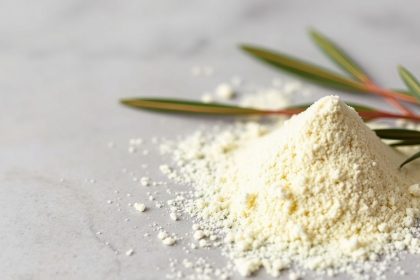
- 1 teaspoon cornstarch (adds stability)
- 1 teaspoon vanilla extract or almond extract (optional)
- A pinch of salt
Instructions
Clean equipment and correct separation set the foundation. Any fat or egg yolk contamination reduces volume and makes the foam vulnerable to collapse in moist air.
Work methodically: gentle initial whisking, gradual sugar addition, a final stabilization step with cornstarch, then slow baking and cooling.
- Prepare your equipment: Ensure mixing bowl and whisk are clean and dry. Use metal or glass bowls; they transfer heat and are less likely to retain grease.
- Separate the egg whites: Remove whites to avoid any yolk contact. Even a small trace of fat reduces foam stability and invites collapse.
- Add cream of tartar: Sprinkle cream of tartar or white vinegar into the whites early to strengthen proteins and improve air retention.
- Start whisking: Whisk on medium speed until the whites are foamy and soft peaks form. Build structure before adding sugar for even incorporation.
- Incorporate sugar gradually: Add superfine sugar one tablespoon at a time. Slow addition ensures full dissolution, avoids grit, and keeps the foam glossy and stable.
- Fold in cornstarch and vanilla: Sift cornstarch in near the end and fold gently. Cornstarch absorbs excess moisture and helps the meringue keep shape in humid conditions.
- Check for readiness: The meringue should form firm, shiny peaks and feel smooth between your fingers. If it remains gritty, continue whisking briefly to finish dissolving sugar.
- Bake with care: Pipe or spoon onto parchment and bake at about 225°F (110°C) for 45–60 minutes, depending on size. Turn the oven off and allow the meringues to cool inside slowly to minimize cracking.
Tips for Success
Humidity is the main external variable. Use a dehumidifier or run the oven briefly before starting to lower kitchen moisture. Bake when outdoor humidity is lowest, often in the morning.
Use superfine sugar and sift cornstarch to avoid lumps. If you lack caster sugar, briefly process regular granulated sugar in a clean grinder to achieve a finer texture.
[preserve spacing for TIP/ WARNING separation]
[TESTPLACEHOLDER]
Store meringues in airtight containers with silica gel packets or in a cool, dry cabinet. Avoid refrigeration unless you have an airtight barrier to stop condensation forming on the meringue surface.
Practice small batches to dial in oven time. Ovens vary, and humidity alters drying time—trial and error helps you find the sweet spot for crisp exteriors and marshmallow centers.
Serving Suggestions
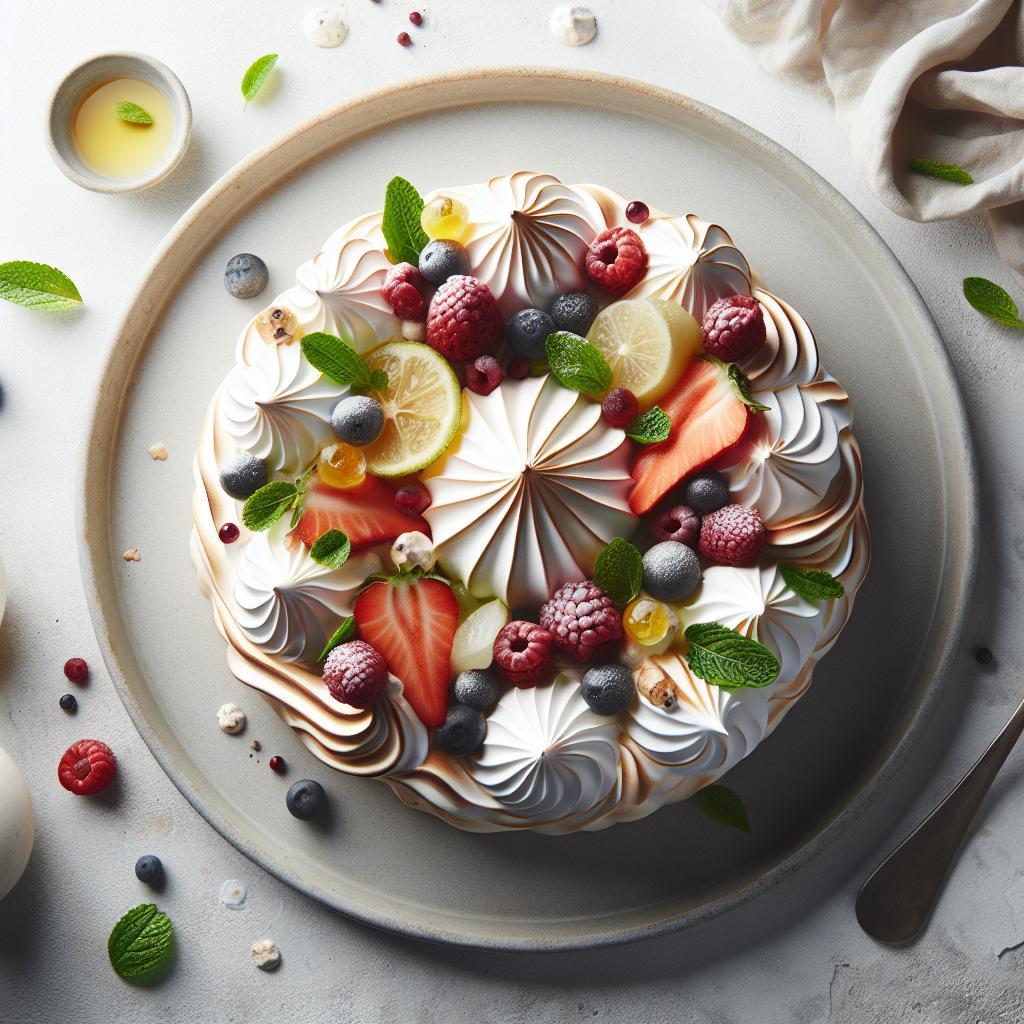
Serve a crisp pavlova shell topped with lightly whipped cream and fresh berries for contrast in texture and acidity. The fruit adds brightness and reduces perceived sweetness.
Alternatively, pipe small meringue kisses and dip their bases in tempered dark chocolate for contrast. These store and travel better when dry.
Nutrition
Per serving, a medium meringue kiss contains low fat and modest calories, primarily from sugar. Adjust portion size to fit dietary needs.
For accurate dietary planning, calculate values based on the exact sugar and portion sizes you use, and consult nutritional references if required.
| Nutrient | Amount per Serving (1 medium meringue) |
|---|---|
| Calories | 45 |
| Protein | 1.5g |
| Carbohydrates | 10g |
| Fat | 0g |
Advanced Techniques and Alternatives
Swiss and Italian meringues improve safety and stability by heating the sugar-egg mixture before whipping. These methods reduce sensitivity to humidity and make better frostings.
Use Italian meringue for buttercream and toppings where humidity might otherwise collapse a French meringue. The cooked sugar stabilizes the network and resists weeping.
FAQ
Why is making meringue on a humid day challenging?
High ambient moisture slows drying and encourages the meringue to absorb water, which reduces rigidity and causes weeping. The proteins struggle to form a strong, dry matrix when the air contains extra water.
That moisture forces you to extend drying time or reduce baking humidity with kitchen controls like a dehumidifier.
What is the best sugar type for humid conditions?
Superfine (caster) sugar dissolves rapidly, which reduces grit and prevents early water attraction. Dissolved sugar forms a smooth, glossy crust that seals moisture inside while the interior dries.
If you cannot find caster sugar, pulse regular granulated sugar in a clean blender briefly to reach a finer grain.
Can I rescue a soft or sticky meringue?
Often you can. A short re-whip with a pinch of acid may reintroduce structure. If the mixture is too far gone, spread it thin on a baking tray and slowly dry it into crisp cookies.
For assembled desserts, transfer meringue elements to a lower-humidity environment or use stabilization methods like Swiss meringue to rebuild structure.
Does altitude affect meringue making?
Yes. Higher altitudes tend to have drier air, which helps drying but alters whipping and baking times. You typically whip faster and reduce baking time at altitude.
Adjust sugar ratios and baking temperature experimentally to find the right balance at your elevation.
Are there storage tips for meringues made on humid days?
Store in airtight containers with desiccants like silica gel or in a cool, dry cabinet. Avoid refrigeration unless you can guarantee no condensation will form on the meringues.
Label containers with the bake date and check texture before serving; if slight stickiness appears, refresh in a low oven for a few minutes to re-dry.
See also: meringue