
By using this site, you agree to the Privacy Policy and Terms of Use.
Accept
CookOrBitCookOrBitCookOrBit
  • Home
  • About Us
  • Ingredient Science
    • Flavor & Aroma
    • Protein Chemistry
    • Sugar & Starch
    • Fats & Emulsions
  • Cooking Techniques
    • Searing & Grilling
    • Baking & Roasting
    • Boiling & Steaming
    • Low & Slow
  • Kitchen Experiments
    • DIY Ferments
    • Flavor Tests
    • Gadget Testing
    • Molecular Gastronomy
  • Food Myths
    • Searing Myth
    • 5-Second Rule
    • MSG Myths
    • Microwave Myths
  • Tools
  • More
    • Extra Picks
    • Quick & Easy
      • Breakfast Ideas
      • Desserts
      • Snacks
      • Soups
    • Global Flavors
      • Asian Street Eats
      • Latin Comforts
      • Mexican Flavors
      • Modern Mediterranean
CookOrBitCookOrBit
  • Home
  • About Us
  • Ingredient Science
  • Cooking Techniques
  • Kitchen Experiments
  • Food Myths
  • Tools
  • More
Search
  • Home
  • About Us
  • Ingredient Science
    • Flavor & Aroma
    • Protein Chemistry
    • Sugar & Starch
    • Fats & Emulsions
  • Cooking Techniques
    • Searing & Grilling
    • Baking & Roasting
    • Boiling & Steaming
    • Low & Slow
  • Kitchen Experiments
    • DIY Ferments
    • Flavor Tests
    • Gadget Testing
    • Molecular Gastronomy
  • Food Myths
    • Searing Myth
    • 5-Second Rule
    • MSG Myths
    • Microwave Myths
  • Tools
  • More
    • Extra Picks
    • Quick & Easy
    • Global Flavors
Follow US
  • Advertising Policy: 10 Practical Rules for Safe, Compliant Ads
  • Contact Us
  • Cookie Policy: Clear Guide for Site Owners
  • Copyright Notice Guide: 7 Essential Rules for Website Owners
  • Disclaimer
  • Privacy Policy
  • Terms of Service
By Fimaw.com
- Unlocking Flavor: How Deglazing Captures Searing's Essence
CookOrBit > Blog > Extra Picks > Unlock Flavor: 7 Practical Ways Deglazing Captures Searing’s Essence
Extra Picks

Unlock Flavor: 7 Practical Ways Deglazing Captures Searing’s Essence

William J. Kroll
By William J. Kroll
Published: November 1, 2025
Share
SHARE

Deglazing turns the browned remnants of a sear into the backbone of an expressive sauce. This focused guide explains why the process works, which liquids work best, and how to execute deglazing cleanly so you capture every concentrated flavor.

  • Capture fond: Dissolve browned bits into a glossy sauce.
  • Choose liquids: Wine, stock, or vinegar change the final profile.
  • Technique matters: Heat, scraping, and reduction intensify flavor.
  • Finish smart: Cold butter or cream rounds acidity and adds gloss.

What is deglazing and how it honors a sear

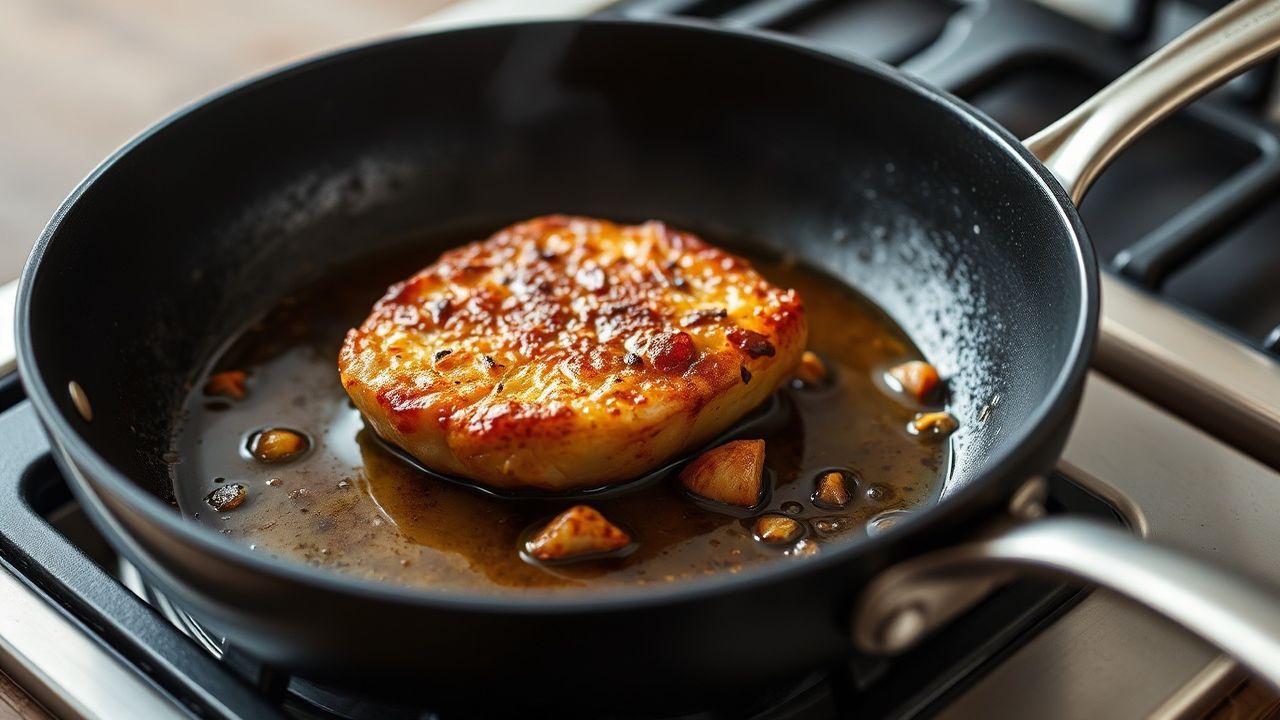
Deglazing means adding liquid to a hot pan to dissolve the caramelized particles left after searing. Chefs call those particles fond, and they contain concentrated amino acids, sugars, and caramelized fats.

When you add a hot liquid and scrape the pan, you free those compounds and integrate them into a sauce. That step converts isolated flavor into a cohesive layer that coats the protein.

Why searing produces depth

Searing creates dry-heat chemical changes that give roasted, nutty, and savory notes. The key transformation behind those notes is the Maillard reaction, where amino acids and reducing sugars react under heat.

Those Maillard products cling to the pan as fond; they do not dissolve in fat alone. Deglazing rescues them and amplifies the perception of umami and roast in the final dish.

Choosing a deglazing liquid

Pick a liquid that complements your main ingredient. Dry white wine brightens poultry and fish, while reductions of fortified wine or sherry work well for beef and game.

Stock provides savory depth without added acidity; consult a good stock for structure. Even a splash of quality wine can lift flavors by balancing richness with acid.

Step-by-step: Deglazing for pan-seared chicken

Prep and timing

Prep ingredients and mise en place before you heat the pan. Chop aromatics, measure liquids, and have a wooden spoon ready so you deglaze while the pan stays hot.

Plan roughly 30 minutes total: 10 minutes prep, 20 minutes cook. This timing lets you build a quick pan sauce while the chicken rests briefly to keep juices sealed.

Ingredients

Core items: olive oil, chicken breasts, salt, pepper, shallot, dry white wine, chicken stock, fresh thyme, cold butter, and optional honey. These keep the sauce balanced between acidity, savory stock, and richness from butter.

Keep liquids warm if possible. A warm stock or room-temperature wine integrates faster and avoids cooling the pan too much when you pour.

Instructions

  1. Preheat skillet: Heat over medium-high until shimmering. Add oil and coat the surface.
  2. Season and sear: Pat chicken dry, salt and pepper, then sear 4–5 minutes per side to develop a deep crust. Transfer to a warm plate.
  3. Sauté aromatics: Lower heat to medium. Add shallot and sweat until translucent, about 2 minutes.
  4. Deglaze: Pour in wine and immediately scrape the pan with a wooden spoon to lift fond. Let the liquid bubble and reduce by half, concentrating flavor.
  5. Add stock and herbs: Stir in stock and thyme, return the chicken, and simmer until cooked through, about 6–8 minutes.
  6. Finish: Off heat, swirl in cold butter and a touch of honey if needed for balance. Adjust seasoning and serve.

Chef’s notes and practical adjustments

Temperature control is essential. Keep the pan hot for fast fond release but avoid burning aromatics; medium heat stabilizes reduction without bitter notes.

Remember that reduction concentrates both flavor and salt. Taste the sauce near the end and correct salt gradually to avoid oversalting.

  • Selecting liquids: Use wine for brightness, stock for body, vinegar for lift, or fruit juices for novelty. Reduce to concentrate.
  • Emulsification: Cold butter whisked in off heat creates a silky emulsion and glossy finish.
  • Herbs: Add delicate herbs like thyme or parsley at the end to preserve freshness.
💡 Expert Insight
Expert Insight: When deglazing, tilt the pan slightly to pool the liquid near the hottest zone; this localizes extraction of fond and speeds reduction. Use a wooden spoon to prevent scratching and to collect fond from corners.

Allow the sauce to rest a minute before plating so fat and water phases bind and mouthfeel improves. That small pause raises perceived elegance.

⚠️ Pro-Caution
Pro-Caution: Never pour cold liquid into a smoking-hot pan; the drastic temperature drop can cause oil to spatter or the fond to seize and burn. Warm liquids and a measured pour prevent dangerous bursts and bitter flavors.

Serving suggestions and pairings

Serve chicken with the sauce spooned over and a garnish of fresh thyme. Offer a crusty bread or mashed potatoes to absorb the sauce and present complementary textures.

For menus, match the sauce weight: lighter wine-based reductions suit vegetable sides; richer stock or cream finishes pair with root vegetables and denser starches. For more ideas, see our internal guide on Ultimate Guide to Sauces and a focused piece on Pan-Searing Techniques.

Practical troubleshooting

If fond refuses to lift, add a little more warm liquid and increase heat slightly while scraping. Mechanical scraping is the simplest fix.

If the sauce tastes thin, simmer to reduce and concentrate. If it tastes too acidic, finish with a small knob of butter or a pinch of sugar to round edges.

FAQ

What exactly is fond?

Fond refers to the flavorful browned bits left on a pan after searing. Deglazing dissolves fond and incorporates its concentrated taste into sauces.

Can I deglaze with water?

Yes, water will lift fond and work in a pinch, but it adds no flavor. Prefer stock or wine when you want depth and complexity.

Does deglazing work for vegetarian cooking?

Absolutely. Searing mushrooms or vegetables creates fond. Use vegetable stock or wine to harvest those vegetal flavors into a sauce.

How long should I reduce after deglazing?

Reduce until the liquid concentration and aroma intensify and the volume drops by roughly half. That window typically takes 2–6 minutes on medium heat depending on liquid volume.

How do I keep sauces glossy?

Finish off-heat with cold butter or a splash of cream and whisk until emulsified. This step yields a silky, shiny sauce that clings to protein.

For technical background on sauce structure and cooking reactions, consult resources about sauces and the Maillard reaction.

See also: Deglazing

Contents
  • What is deglazing and how it honors a sear
  • Why searing produces depth
  • Choosing a deglazing liquid
  • Step-by-step: Deglazing for pan-seared chicken
    • Prep and timing
    • Ingredients
    • Instructions
  • Chef’s notes and practical adjustments
  • Serving suggestions and pairings
  • Practical troubleshooting
  • FAQ
    • What exactly is fond?
    • Can I deglaze with water?
    • Does deglazing work for vegetarian cooking?
    • How long should I reduce after deglazing?
    • How do I keep sauces glossy?
7 Key Differences: Free vs Bound Glutamate
7 Pro Tips for Hearty Beef Stew with Rice: Comforting Classic
9 Practical Benefits of Cast Iron: The Art & Science Behind a Pan
Cutting Board Care: 11 Pro Tips to Clean & Sanitize Like a Chef
10 Expert Steps to a Perfect Sear: Science-Backed Steak Sizzle
TAGGED:anddeglazinghowMaillard reactionpan saucepan seared chickenSearing techniquetheunlockingwine reductionyour
Share This Article
Facebook Pinterest Whatsapp Whatsapp LinkedIn Telegram Threads
What do you think?
Love0
Sad0
Happy0
Sleepy0
Angry0
Dead0
Wink0
Previous Article - The Science Behind a Tender, Juicy Steak's Perfect Interior 7 Science-Proven Steps for a Perfect Juicy Steak Interior
Next Article - Zesting Science: Unraveling Citrus' Flavorful Secrets Zesting Science: 7 Proven Ways Citrus Zest Transforms Flavor
Hearty Beef and Broccoli Stew: A Flavorful Comfort Classic
Beef Stew: Hearty Beef & Broccoli Stew
Extra Picks
Hearty Chicken and Rice Soup: Comfort in Every Bowl
7 Pro Tips for Hearty Chicken Soup
Extra Picks
Sizzling Beef and Broccoli Skillet: Quick, Flavorful Feast
10-Min Beef Broccoli Skillet — Fast, Flavorful
Extra Picks
Savory Secrets to Perfectly Creamy Garlic Chicken Delight
7 Savory Secrets for Perfectly Creamy Garlic Chicken Delight
Extra Picks

Tags

and art baked baking science baking techniques Baking tips batch cooking beef behind butternut squash caramelization cast iron skillet chemistry chicken comfort food Cooking science cooking technique Cooking techniques Cooking tips crafting creamy creamy soup crispy culinary science fish flavor flavor chemistry food food safety Food science for garlic golden Ground turkey hearty heat high-heat cooking high protein meals how instant read thermometer lactic acid bacteria Lean protein magic Maillard reaction make ahead meals make ahead soup mastering meal prep Meal prep recipes meat thermometer microwave microwave cooking moisture control one pot meals Pan searing perfect perfectly Plant based protein Probe thermometer protein denaturation roasted roasted squash roasted tomato soup Roasted vegetables Roasting techniques Roux technique savor savory science Searing technique Searing techniques secrets slow cooking squash steak steak cooking sweet temperature control the top turkey turkey soup turkey stew ultimate umami cooking umami flavor unlock unlocking unveiling vegetable velvety weeknight dinner Weeknight dinners weeknight meals what when why with your zesty
March 2026
M T W T F S S
 1
2345678
9101112131415
16171819202122
23242526272829
3031  
« Feb    

You Might Also Like

Bake Fresh Delight: The Art of Homemade Pita Bread
Extra Picks

Bake Fresh Delight: 7 Expert Steps to Perfect Homemade Pita Bread

William J. Kroll
William J. Kroll
February 6, 2026
When Poached Eggs Fall Apart: Tips for Perfect Results
Protein Chemistry

Poached Eggs: 12 Expert Tips for Perfect Results

William J. Kroll
William J. Kroll
February 16, 2026
Bright Start: Refreshing Lemon Blueberry Overnight Oats Recipe
Extra Picks

Bright Start: 5-Step Lemon Blueberry Overnight Oats Recipe

William J. Kroll
William J. Kroll
January 15, 2026
Unlocking Nature’s Scents: What Are Terpenes in Herbs?
Flavor & Aroma

7 Practical Ways Terpenes Improve Herb Flavor and Aroma

William J. Kroll
William J. Kroll
February 16, 2026
Savor the Flavor: Homemade Beef Keema with Peas Delight
Extra Picks

Savor the Flavor: 7 Proven Beef Keema Techniques for Home Cooks

William J. Kroll
William J. Kroll
January 28, 2026
- Inside the Pasta Maker: How Rollers and Cutters Craft Perfec
Gadget Testing

Inside the Pasta Maker: 7 Expert Techniques Rollers and Cutters Use to Craft Perfection

William J. Kroll
William J. Kroll
September 30, 2025
Follow US
By Fimaw.com © All Rights Reserved.
  • Advertising Policy: 10 Practical Rules for Safe, Compliant Ads
  • Contact Us
  • Cookie Policy: Clear Guide for Site Owners
  • Copyright Notice Guide: 7 Essential Rules for Website Owners
  • Disclaimer
  • Privacy Policy
  • Terms of Service
Welcome Back!

Sign in to your account

Username or Email Address
Password

Lost your password?