

Hearty Turkey Soup and Potato Comfort
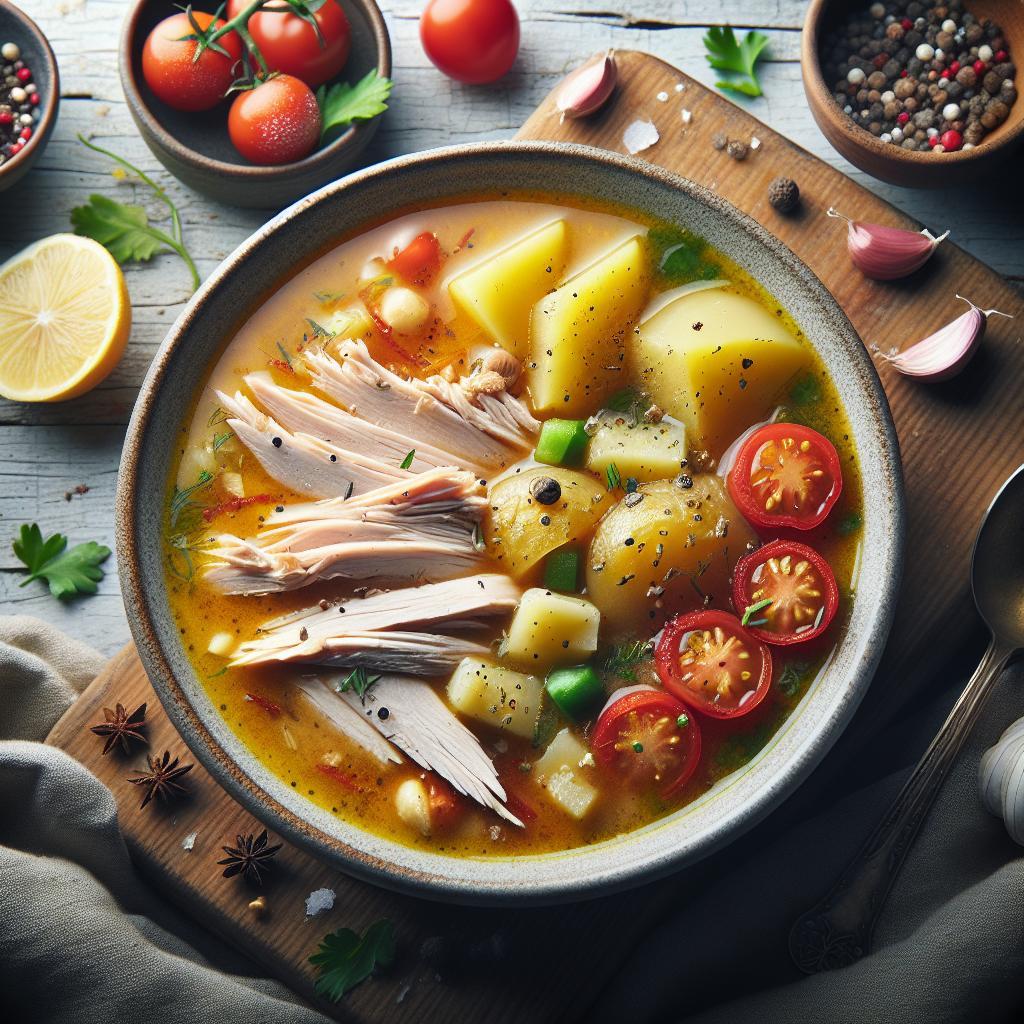
Turkey soup delivers warmth, sustenance, and reliable flavor when nights turn cool. This turkey soup recipe balances a clear, savory broth, tender turkey, and soft potatoes to provide filling comfort and practical nutrition for busy households.
- Hearty Turkey Soup and Potato Comfort
- Prep and Cook Time (turkey soup)
- Yield (turkey soup)
- Difficulty Level (turkey soup)
- Ingredients for Turkey Soup
- Instructions (turkey soup)
- Tips for Success (turkey soup)
- Serving Suggestions to Elevate Your Turkey Soup
- Nutritional Information (turkey soup)
- Q&A (turkey soup)
- What makes turkey soup ideal comfort food?
- Can I use leftover turkey in this recipe?
- Which potatoes are best for turkey soup?
- How should I store and reheat turkey soup?
- Technical Notes and Culinary Context (turkey soup)
- Key Takeaways
- Comfort in a bowl: Lean protein and starchy potatoes supply sustained energy and a satisfying mouthfeel.
- Make-ahead friendly: Flavors deepen overnight; portions freeze well for quick weeknight meals.
- Simple swaps: Swap dairy-free cream or mix potato types to match texture and diet needs.
Prep and Cook Time (turkey soup)
Preparation: 20 minutes. Cooking: 40 minutes. These times let you build layered flavor while keeping the process accessible for weekday cooking.
Work efficiently by prepping vegetables first and measuring seasonings before heating the pot. While the soup simmers, finish a quick side salad or warm crusty bread for a complete meal.
Yield (turkey soup)
This recipe yields 6 hearty servings, suitable for families or for freezing single portions. You can halve or double the quantities without changing technique.
Leftovers keep 3–4 days refrigerated; freeze cooled portions for up to three months. Reheat gently and add a splash of stock to restore consistency when reheating frozen portions.
Difficulty Level (turkey soup)
Rated Easy to Medium. The techniques are basic: sautéing aromatics, gentle simmering, and finishing with seasoning and optional cream.
Equipment needs remain minimal: a heavy-bottomed pot and a sharp knife deliver consistent results. Good mise en place—cutting, measuring, and organizing—shortens active time and reduces mistakes.
Ingredients for Turkey Soup
Choose high-quality components: clear turkey stock, firm potatoes, and cooked turkey for the best texture and flavor. Ingredient quality affects the broth clarity and the overall mouthfeel.
Use Yukon Golds for buttery texture or Russets for a heartier finish. If you have bones, roast and simmer them to intensify the stock before starting the soup.
- 2 tablespoons olive oil
- 1 medium onion, finely chopped
- 3 cloves garlic, minced
- 4 cups low-sodium turkey broth or stock
- 2 cups cooked turkey, shredded or diced
- 4 medium potatoes (Yukon Gold or Russet), peeled and diced
- 2 medium carrots, thinly sliced
- 2 stalks celery, chopped
- 1 teaspoon fresh thyme leaves (or ½ teaspoon dried)
- 1 bay leaf
- Salt and freshly ground black pepper to taste
- ½ cup heavy cream or full-fat coconut milk (optional)
- Fresh parsley, chopped for garnish
Instructions (turkey soup)
Follow proper sequencing: sweat aromatics, add vegetables, then stock and potatoes, and finish by adding turkey and seasoning. This order builds a clear, clean flavor profile without muddiness.
Maintain a gentle simmer for even cooking. Boiling breaks down potatoes too fast and produces a mealy texture rather than a creamy finish.
Step-by-step
Warm 2 tablespoons olive oil over medium heat in a large heavy-bottomed pot. Add the chopped onion and sauté until translucent, about five minutes, stirring often to prevent browning.
Add minced garlic, sliced carrots, and chopped celery. Cook another four to five minutes until vegetables soften and begin to release their aroma.
Simmering the base
Pour in 4 cups turkey broth and bring to a gentle simmer. Add diced potatoes, thyme, and the bay leaf; cook uncovered until the potatoes are fork-tender, about 15 minutes.
Stir in the cooked turkey and warm through for five minutes. Taste and adjust salt and pepper gradually to avoid over-salting the broth.
If you prefer a richer mouthfeel, stir in ½ cup heavy cream or coconut milk just before serving. Heat gently without boiling to preserve a smooth texture and prevent curdling.
Remove the bay leaf before serving. Garnish with chopped parsley and ladle into warmed bowls to maintain temperature and aroma.
Tips for Success (turkey soup)
Layering flavor is critical: sauté aromatics first, then add vegetables and stock. That order extracts maximum flavor from simple ingredients and keeps the broth clear.
Reserve one cup of cooked potatoes, mash it, and return to the pot to thicken naturally. This method increases body without using additional thickeners or altering flavor balance.
Broth build-up: For a richer base, roast turkey bones and scrape the pan before simmering to capture caramelized flavors. Strain the concentrated stock for a deep, savory backbone.
Use a mix of potato textures if you want structure plus silkiness. Waxy potatoes hold shape while starchy varieties soften and release starch to slightly thicken the broth.
Serving Suggestions to Elevate Your Turkey Soup
Serve turkey soup in deep bowls paired with crusty bread or a simple green salad for contrast. Warm bread soaks up the broth and complements the soup’s soft textures.
Finish with a drizzle of extra virgin olive oil or a light sprinkle of smoked paprika for visual appeal. Fresh herbs—parsley or chives—add bright top notes that lift the bowl.
For texture contrast, scatter toasted seeds or crispy shallots over each serving. These small touches introduce crunch and complexity against the soup’s velvet components.
Choose beverage pairings that match the soup’s weight: a crisp cider or a mild herbal tea keeps the meal balanced without overpowering delicate flavors.
Nutritional Information (turkey soup)
Per-serving estimates: roughly 320 kcal, 28 g protein, 30 g carbohydrates, and 9 g fat. Exact values depend on ingredient choices and portion sizes.
Adding vegetables increases fiber and micronutrients. Swap heavy cream for coconut milk to reduce dairy content while maintaining richness.
| Nutrient | Per Serving |
|---|---|
| Calories | 320 kcal |
| Protein | 28 g |
| Carbohydrates | 30 g |
| Fat | 9 g |
Q&A (turkey soup)
This section answers common practical questions on technique, storage, and ingredient swaps. Use these responses to adapt the recipe while preserving its core steps for reliable results.
Each answer uses precise, tested guidance so you can modify without undermining the soup’s structure.
What makes turkey soup ideal comfort food?
Warm broth and combined lean protein plus starchy potatoes provide sustained energy and a soothing mouthfeel. Herbs and aromatics add depth without heaviness.
Texture balance—soft potatoes alongside shredded turkey—creates a familiar contrast that many find reassuring and restorative.
Can I use leftover turkey in this recipe?
Yes. Leftover turkey works well and adds concentrated savory note. Add it near the end to warm through and avoid drying the meat.
Trim excess fat and shred or dice uniformly so the pieces heat evenly. Reserve dark meat if you prefer richer texture in the bowl.
Which potatoes are best for turkey soup?
Yukon Golds yield creamy, buttery texture while Russets provide a fluffier body. Mixing both gives structure plus silkiness.
Starchy potatoes release more starch and slightly thicken the broth; waxy potatoes hold shape for distinct pieces in the finished soup.
How should I store and reheat turkey soup?
Refrigerate in airtight containers for up to four days. For long-term storage, cool fully, then freeze in portions for up to three months.
Reheat over low heat and add a splash of stock if the soup tightens. Add delicate herbs fresh after reheating to preserve their brightness.
Technical Notes and Culinary Context (turkey soup)
This recipe follows classic small-batch stock-making and mirepoix techniques used in professional kitchens. Controlled sautéing and simmering extract flavor efficiently while preserving clarity.
For background on the key concepts, consult authoritative references on soup composition, turkey anatomy, and potato varieties.
Relevant reading: soup, turkey (bird), and potato. For herb uses, see thyme.
Key Takeaways
Hearty turkey soup succeeds through good ingredients, correct sequencing, and gentle simmering. Small technique choices—temperature control and finishing touches—improve the final bowl materially.
Make extra stock when time allows; concentrated stock improves texture and flavor in future batches and makes the recipe a reliable meal-builder.

See also: Turkey Soup recipes and leftover turkey recipes on our site for variations and batch-cook strategies.
See also: turkey soup