

Picture this: the crackling of a campfire, the scent of pine in the air, and the promise of a delicious meal cooked under the stars. But behind every sizzling skillet and bubbling pot lies a world of chemistry-elements and reactions working quietly to turn raw ingredients into savory delights. Welcome to “Campfire Chemistry: Mastering a Safe Camping Kitchen Quiz,” where science meets the great outdoors. This article will guide you through the essential knowledge and safety tips you need to become a master of cooking chemistry on your next camping adventure. Get ready to light your fire with confidence, blend flavors with precision, and keep your kitchen as safe as it is satisfying. Let’s explore the fascinating chemistry behind campfire cooking and quiz your way to culinary mastery beneath the canopy of the night sky!
Campfire Chemistry Essentials: Unlocking the Secrets to Flavor and Safety
Campfire Chemistry Essentials unveil the science and artistry behind outdoor cooking, transforming simple ingredients into memorable meals under the stars. From managing campfire heat to protecting your family’s health, mastering these skills elevates your camping kitchen to new heights.
Prep and Cook Time
Prep Time: 15 minutes | Cook Time: 25-30 minutes | Total Time: 40-45 minutes
Yield
Serves 4 adventurers hungry for wholesome, rustic flavor
Difficulty Level
Medium – perfect for campers ready to explore scientific cooking fundamentals with confidence
Ingredients
- 2 lbs boneless chicken thighs, trimmed and patted dry
- 1/4 cup olive oil, extra virgin
- 3 cloves garlic, minced
- 1 tbsp fresh rosemary, finely chopped
- 1 tsp smoked paprika
- 1 tsp sea salt
- 1/2 tsp freshly ground black pepper
- 1 lemon, zested and juiced
- 2 medium sweet potatoes, sliced into 1/2-inch rounds
- 1 large red bell pepper, sliced
- Aluminum foil (for grilling packet and wrapping veggies)
- Fresh parsley for garnish (optional)
Instructions
- Marinate the chicken: In a bowl, combine olive oil, garlic, rosemary, paprika, salt, pepper, lemon zest, and lemon juice. Add the chicken thighs and ensure they are fully coated. Cover and refrigerate for at least 30 minutes before campfire cooking to maximize flavor absorption.
- Prepare your campfire: Build a medium-hot fire and let it burn down until you have glowing embers, which provide consistent heat essential for chemical reactions in cooking proteins safely and thoroughly.
- Wrap the vegetables: Lay slices of sweet potato and red bell pepper on a large sheet of aluminum foil. Drizzle with a bit of olive oil, sprinkle with salt, and fold into a sealed packet.
- Start with the vegetables: Place the foil packet on embers or a grill grate over the fire. Cook for about 20 minutes, turning the packet every 5 minutes to distribute heat evenly-this prevents hotspots that can char or undercook.
- Grill the chicken: Remove chicken from marinade and place directly on a grill grate or clean cast iron skillet over the campfire. Cook for 6-8 minutes per side, or until internal temperature reaches 165°F (74°C), ensuring safe food handling and bacterial destruction.
- Rest and serve: Let the cooked chicken rest for 5 minutes off the heat before slicing. This resting period allows juices to redistribute, intensifying flavor and tenderness.
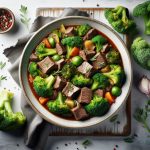
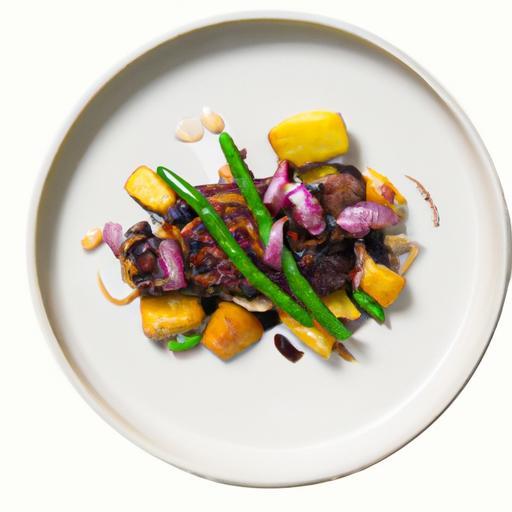
- Plate your meal: Serve grilled chicken alongside the sweet potato and bell pepper packet, garnished with fresh parsley for a vibrant finish.
Chef’s Notes: Tips for Success
- Safety first: Always use a reliable food thermometer to verify meat is cooked thoroughly-outdoor cooking demands extra caution to prevent foodborne illness.
- Marinade alternatives: For a zesty twist, substitute rosemary with fresh thyme, or add a splash of balsamic vinegar for depth.
- Vegetable variation: Swap sweet potatoes for carrots or parsnips; root veggies caramelize beautifully over open flames, enhancing natural sugars.
- Heat management: Control flare-ups by moving food away from direct flames. Coals provide gentle, even heat that encourages perfect Maillard browning-a chemistry that creates savory crusts.
- Make-ahead: Pre-marinate chicken and prep veggies at home to save time around the campfire, helping you focus on technique.
Serving Suggestions
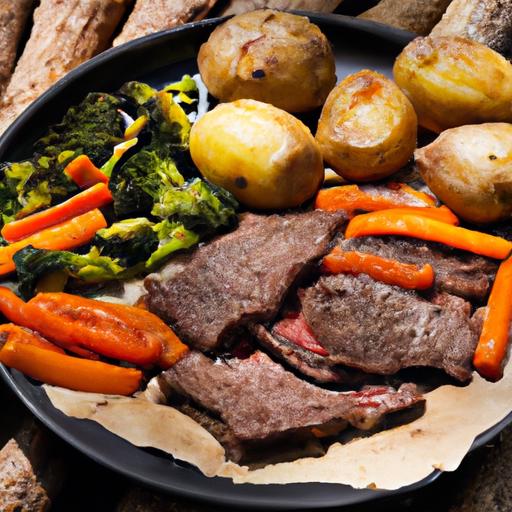
Plate your campfire masterpiece on rustic wooden boards or enamel plates to echo the outdoor vibe. Pair with a chilled glass of crisp white wine or sparkling water infused with fresh lemon and mint. Add a side of toasted campfire bread, smeared with herbed butter, to soak up the vibrant juices.
| Nutrient | Amount per Serving |
|---|---|
| Calories | 380 kcal |
| Protein | 34 g |
| Carbohydrates | 18 g |
| Fat | 18 g |
Explore our comprehensive guide on safe outdoor cooking techniques to fortify your camp kitchen skills. For scientific insights into how heat transforms food, visit USDA Food Safety and Inspection Service.

Q&A
Q&A: Campfire Chemistry – Mastering a Safe Camping Kitchen Quiz
Q1: Why is understanding campfire chemistry important for safe cooking outdoors?
A: Campfire chemistry isn’t just about flames and smoke-it’s the science of how heat interacts with food and fuel. Knowing the basics helps you control your fire better, prevent harmful fumes, avoid burning your meals, and keep your campsite safe from accidental fires.
Q2: What common chemical reaction powers your campfire?
A: Combustion! When wood or charcoal burns, it reacts with oxygen in the air to produce heat, light, carbon dioxide, and water vapor. This exothermic reaction releases energy that cooks your food.
Q3: How can you tell if your firewood is chemically ready to burn safely?
A: Dry wood has less moisture, meaning it combusts more cleanly, producing less smoke and creosote. Moist wood undergoes incomplete combustion, creating soot and potentially harmful gases like carbon monoxide.
Q4: What’s a safe and effective way to start a campfire considering chemistry principles?
A: Use small, dry kindling that ignites quickly because it has a large surface area relative to volume. This supports efficient oxidation, giving you a hot flame to ignite larger logs gradually.
Q5: Why shouldn’t you use certain materials like plastic or treated wood as fuel?
A: Burning plastics or chemically treated wood releases toxic compounds such as dioxins and heavy metals into the air and onto your cookware-posing health risks and contaminating food.
Q6: How can understanding the Maillard reaction improve your campfire cooking?
A: The Maillard reaction is a chemical process between amino acids and sugars heated around 140-165°C (285-330°F), responsible for the delicious browning and complex flavors of grilled meats and toasted bread. Mastering fire temperature ensures your food tastes great without charring.
Q7: What’s the safest way to extinguish your campfire from a chemistry perspective?
A: Starving the fire of oxygen by smothering it with dirt or sand disrupts combustion. Dousing with water cools down hot embers and reacts with the fire’s heat energy, turning to steam and rapidly lowering temperatures to prevent re-ignition.
Q8: How does the choice of cookware material influence your campfire chemistry experience?
A: Metals like cast iron and stainless steel conduct heat evenly and withstand high temperatures, making cooking safer and more predictable. Avoid cookware coated with non-stick layers that can degrade or release toxins under extreme campfire heat.
Q9: What role does ventilation play in safe campfire cooking chemistry?
A: Proper airflow supplies oxygen necessary for complete combustion, reducing smoke and poisonous gases. Position your fire in a well-ventilated spot and arrange fuel to encourage steady airflow.
Q10: What’s the best mindset to bring to mastering campfire chemistry for a safe camping kitchen?
A: Curiosity mixed with caution! Understanding the science behind your fire lets you cook tasty meals while respecting nature’s power-balancing heat, chemistry, and safety for an unforgettable outdoor feast.
Future Outlook
As the final ember glows and your camping kitchen settles into quiet warmth, remember that mastering campfire chemistry is more than just mixing ingredients-it’s about blending safety, science, and spirit into every outdoor meal. With the knowledge you’ve gained from our quiz, you’re now better equipped to create delicious dishes without the risks that campfire cooking can bring. So next time you strike a match beneath the stars, let your newfound chemistry skills guide you to a safer, smarter, and more satisfying adventure in the wild. Happy camping, and may your fires always burn bright and safely!