
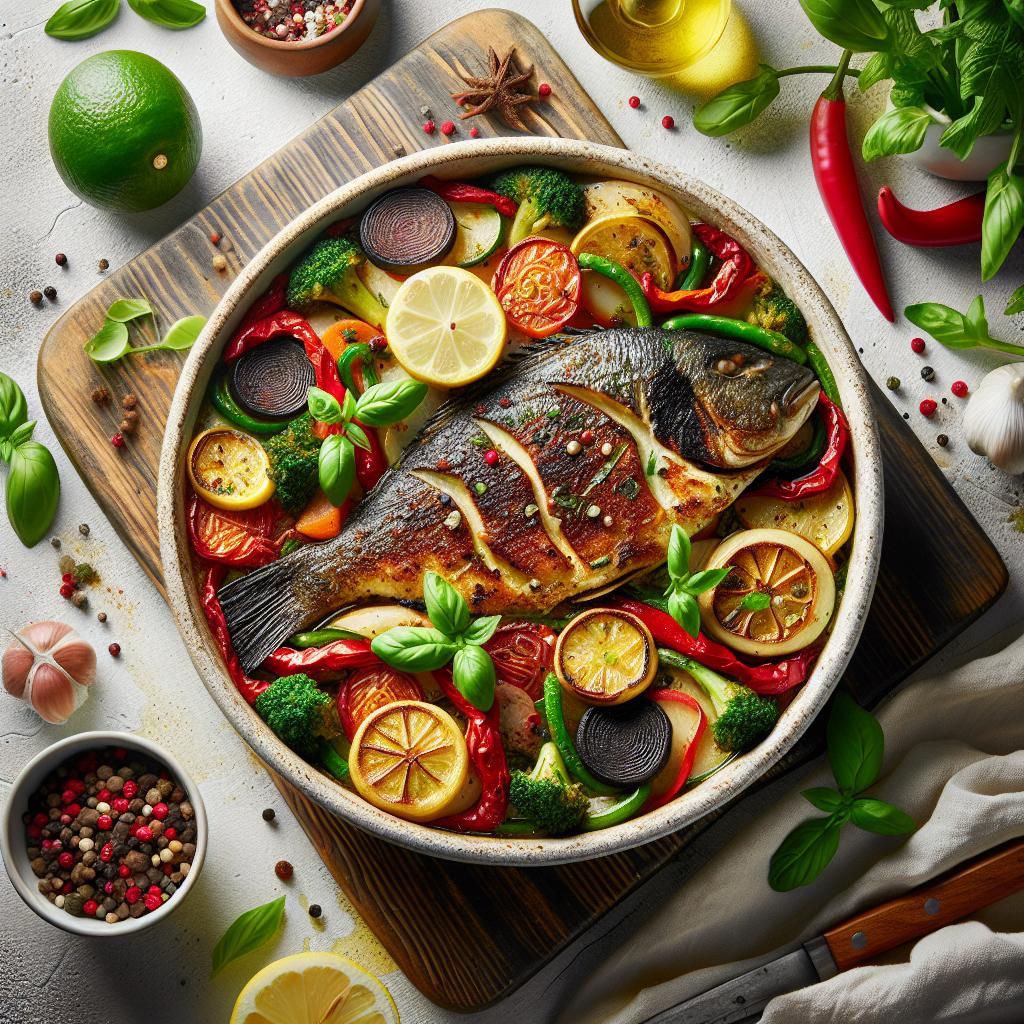

Hearty Baked Fish Stew: A Savory Ocean Delight Recipe
This Hearty Baked Fish Stew blends fresh white fish, ripe tomatoes, and aromatic herbs into a robust, oven-finished broth. The method emphasizes gentle heat to preserve delicate fish texture while building deep, layered flavor.
- Fast prep: 20 minutes to assemble for a weeknight meal.
- Oven finish: 25 minutes seals texture and concentrates the broth.
- Family friendly: Serves six with balanced protein and vegetables.
- Flexible: Use cod, halibut, sea bass, or a firm white fish.
Use a heavy Dutch oven or oven-safe skillet to control heat and concentrate flavor. That equipment helps deliver consistent results when making a baked fish stew.
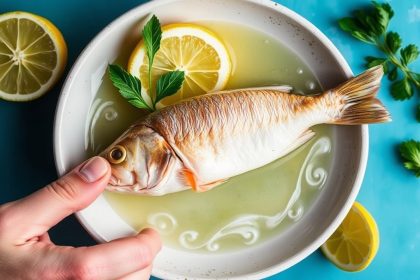
Choose the freshest fish available and handle fillets gently during assembly to avoid flaking before the bake. For context on species and seafood classification, consult fish biology and select sustainable options when possible.
Prep and Cook Time
Preparation: 20 minutes. Organize ingredients and trim fish ahead to speed the stovetop steps and avoid overcooking the fillets.
Cooking: 45 minutes total, including 25 minutes in the oven. The sealed bake stage steams the protein while the broth concentrates into a savory base.
Yield
This recipe yields six hearty portions ideal for family dinners or small gatherings. Portions assume a protein-forward bowl served with a starch or bread.
Increase portions by adding shellfish or extra fish, and adjust liquid to maintain broth balance. Leftovers taste better after flavors meld overnight and reheat gently.
Difficulty Level
Rated medium: requires basic knife skills and heat control. The key steps are layering aromatics and finishing in the oven to protect delicate fish texture.
Use a probe thermometer to confirm doneness when unsure; fish reaches safe internal temperature near 145°F (63°C). This guides timing without overbaking the stew.
Ingredients
Gather ingredients before you begin: fresh fish, low-sodium broth, ripe tomatoes, aromatics, and optional saffron for color. Mise en place keeps the stovetop stage efficient.
Use low-sodium broth to control salt and steep saffron briefly in warm liquid if using. For saffron context, see saffron.
- 2 lbs fresh white fish fillets (cod, haddock, or snapper), cut into 2-inch chunks
- 1 large onion, finely diced
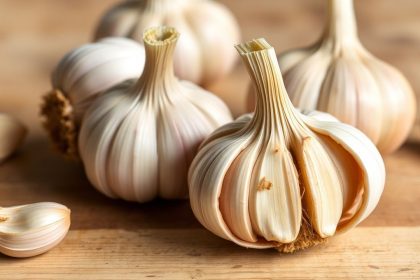
- 4 cloves garlic, minced
- 3 medium ripe tomatoes, peeled and chopped
- 1 red bell pepper, diced
- 3 cups fish or vegetable broth, low-sodium
- 1 cup water
- 2 tbsp olive oil
- 1 large carrot, thinly sliced
- 3 sprigs fresh thyme
- 1 bay leaf
- 1 tsp smoked paprika
- 1/2 tsp saffron threads (optional)
- Salt and freshly ground black pepper, to taste
- 1 tbsp fresh parsley, chopped for garnish
- Juice of 1 lemon
Instructions
Preheat the oven to 375°F (190°C). Heat olive oil in a large oven-safe skillet or Dutch oven to distribute heat evenly during the stew’s assembly.
Work in stages: sauté aromatics, build the vegetable base, add broth and spices, then nestle the fish for a short bake. This sequence protects fillets and develops a layered broth.
- Preheat: Set oven to 375°F (190°C). Heat olive oil in an oven-safe pan over medium heat.
- Sauté aromatics: Add onion and garlic, cooking 4–6 minutes until translucent and fragrant.
- Add vegetables: Stir in bell pepper, carrot, and tomatoes; cook 7–8 minutes until softened.
- Season the base: Add smoked paprika, saffron if using, bay leaf, and thyme. Bloom spices 1–2 minutes.
- Pour broth: Add broth and water, bring to a gentle simmer, and taste to adjust seasoning.
- Add fish: Nestle fish chunks into the simmering broth, spacing pieces for even steam circulation.
- Bake: Cover and transfer to oven. Bake 25 minutes to steam fish gently and concentrate the broth.
- Finish: Remove from oven, discard bay leaf and thyme sprigs, stir in lemon juice, and adjust salt and pepper.
- Serve: Garnish with parsley and serve with crusty bread or herbed rice to soak up the broth.
Check doneness visually: fish should flake easily and remain moist. If you add shellfish, introduce it late to avoid overcooking delicate proteins.
When reheating, warm gently on low heat to preserve the fish texture and prevent the broth from separating. High heat will toughen flakes and reduce quality.
Chef’s Notes
Small technique adjustments yield major improvements. Toasting saffron briefly and steeping it in warm broth amplifies color and aroma without raising cost per serving.
Swap white fish for halibut or sea bass depending on availability; choose thicker cuts for baking. For species-specific info, review cod profiles and select sustainably.
When selecting fillets, request pin-boned or skin-on cuts if your butcher can prepare them. Skin-on portions add structure during the bake and can be removed at the table if preferred.
For a vegetarian version, substitute chunky root vegetables and chickpeas and use vegetable broth. Adjust simmer times so vegetables reach tenderness before the bake.
Serving Suggestions
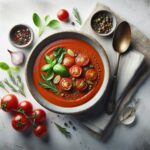
Serve the stew in deep bowls so each diner gets both broth and fish. Offer lemon wedges at the table so guests can fine-tune acidity to their taste.
Pair this baked fish stew with crusty bread or herbed rice. Internal guides for side dishes: crusty bread and herbed rice recipes work well to soak up the broth.
Nutritional Snapshot
This stew provides high protein, moderate fat, and controlled carbohydrates per serving. White fish offers lean protein and essential micronutrients in a low-calorie bowl.
Nutrition per serving is an estimate based on typical ingredients and portion sizes. Modify values if you change oil quantity, fish type, or add starch-heavy sides.
| Nutrient | Per Serving |
|---|---|
| Calories | 320 |
| Protein | 40g |
| Carbohydrates | 12g |
| Fat | 10g |

Source Notes & Practical Tips
Techniques here reflect coastal Mediterranean approaches that favor fresh produce and simple, layered seasoning. For regional technique reference, see Mediterranean cuisine.
Ask your fishmonger for advice on fillet thickness and skin options; proper handling reduces waste and improves final texture. Freshness and cut quality define the stew’s success.
FAQ
What makes baked fish stew different from stove-top fish soups?
Baking finishes the stew in a closed environment, which steams fish gently and concentrates the broth. The oven provides even ambient heat and reduces the need for active stirring.
As a result, the texture becomes slightly firmer and the flavors integrate more evenly than with a rapid stovetop simmer. The method suits pot-to-table service and batch cooking.
Which types of fish work best in this stew?
Firm white-fleshed fish like cod, halibut, and sea bass hold shape well when baked and absorb aromatic broth without disintegrating. These varieties create a neutral canvas for robust seasonings.
Adjust oven time for lean or flaky fish and monitor internal temperature to prevent drying. When using frozen fish, thaw thoroughly and pat dry before adding to the stew.
Can I add shellfish or make it vegetarian?
Yes. Add shrimp, mussels, or clams for briny complexity; introduce shellfish late so they remain tender. For a vegetarian version, use root vegetables and chickpeas with vegetable broth.
Match cook times: shellfish cook quickly, while root vegetables require longer pre-simmering to reach tenderness before the bake. Plan staging accordingly.
How do I store and reheat leftovers?
Cool completely, refrigerate in airtight containers for up to 3 days, or freeze up to 2 months. Reheat gently on low heat to preserve fish texture and prevent broth separation.
When reheating from frozen, thaw overnight in the refrigerator and warm slowly. Avoid high heat which will make the fish tough and dry.
How can I ensure a rich, balanced broth?
Layer aromatics: sweat onions and garlic first, then add tomatoes and peppers to build sweetness and body. Bloom dry spices briefly in fat to release essential oils before adding liquid.
Finish with acid and fresh herbs to lift the final bowl. Taste and adjust seasoning at each stage rather than only at the end for the best results.
By prioritizing ingredient quality and straightforward technique, this baked fish stew yields consistent, restaurant-quality results at home. Use the steps and tips above to adapt the recipe to seasonal produce and preferred fish species while preserving the stew’s signature savory ocean flavor.
See also: fish stew