
By using this site, you agree to the Privacy Policy and Terms of Use.
Accept
CookOrBitCookOrBitCookOrBit
  • Home
  • About Us
  • Ingredient Science
    • Flavor & Aroma
    • Protein Chemistry
    • Sugar & Starch
    • Fats & Emulsions
  • Cooking Techniques
    • Searing & Grilling
    • Baking & Roasting
    • Boiling & Steaming
    • Low & Slow
  • Kitchen Experiments
    • DIY Ferments
    • Flavor Tests
    • Gadget Testing
    • Molecular Gastronomy
  • Food Myths
    • Searing Myth
    • 5-Second Rule
    • MSG Myths
    • Microwave Myths
  • Tools
  • More
    • Extra Picks
    • Quick & Easy
      • Breakfast Ideas
      • Desserts
      • Snacks
      • Soups
    • Global Flavors
      • Asian Street Eats
      • Latin Comforts
      • Mexican Flavors
      • Modern Mediterranean
CookOrBitCookOrBit
  • Home
  • About Us
  • Ingredient Science
  • Cooking Techniques
  • Kitchen Experiments
  • Food Myths
  • Tools
  • More
Search
  • Home
  • About Us
  • Ingredient Science
    • Flavor & Aroma
    • Protein Chemistry
    • Sugar & Starch
    • Fats & Emulsions
  • Cooking Techniques
    • Searing & Grilling
    • Baking & Roasting
    • Boiling & Steaming
    • Low & Slow
  • Kitchen Experiments
    • DIY Ferments
    • Flavor Tests
    • Gadget Testing
    • Molecular Gastronomy
  • Food Myths
    • Searing Myth
    • 5-Second Rule
    • MSG Myths
    • Microwave Myths
  • Tools
  • More
    • Extra Picks
    • Quick & Easy
    • Global Flavors
Follow US
  • Advertising Policy: 10 Practical Rules for Safe, Compliant Ads
  • Contact Us
  • Cookie Policy: Clear Guide for Site Owners
  • Copyright Notice Guide: 7 Essential Rules for Website Owners
  • Disclaimer
  • Privacy Policy
  • Terms of Service
By Fimaw.com
Layers of Flavor: The Art of Roasted Vegetable Lasagna
CookOrBit > Blog > Extra Picks > 7 Pro Techniques: Layers of Flavor in Roasted Vegetable Lasagna
Extra Picks

7 Pro Techniques: Layers of Flavor in Roasted Vegetable Lasagna

William J. Kroll
By William J. Kroll
Published: January 21, 2026
Share
SHARE

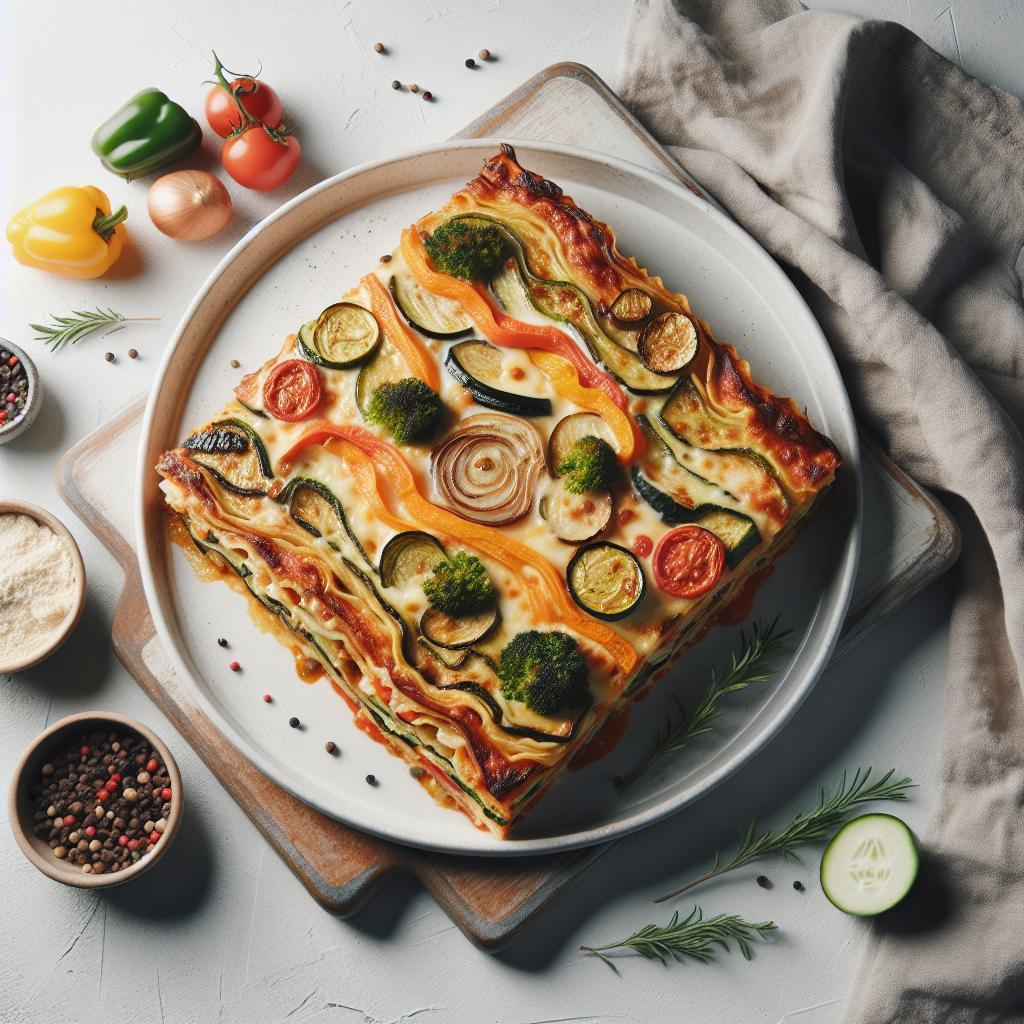
There is real alchemy when simple vegetables hit high heat and turn deeply sweet and savory. Roasting concentrates sugars, tightens texture, and adds smoky edges that become the backbone of a lasagna built on vegetables.

Contents
  • Prep and Cook Time
  • Yield
  • Difficulty Level
  • Ingredients
  • Instructions
  • Chef’s Notes
  • Serving Suggestions
  • Nutritional Information
  • Technical Notes and Food Science
  • Practical Variations
  • FAQ
    • What makes roasted vegetable lasagna different from traditional lasagna?
    • Should I roast vegetables before assembling lasagna?
    • Can I use fresh lasagna sheets instead of no-boil noodles?
    • Which vegetables roast best for lasagna?
    • How far ahead can I assemble this lasagna?
  • Roast first: Caramelize to prevent a watery bake.
  • Layer with intent: Alternate sauce, vegetables, and cheese for balance.
  • Rest before slicing: Let the strata set to preserve clean portions.

The finished dish becomes a study in contrasts: tender pasta, crisped edges, creamy ricotta, and concentrated vegetable flavor. These techniques adapt to seasonal produce and reward precise timing and seasoning.

Prep and Cook Time

Preparation: 35 minutes. This includes washing, slicing, and seasoning vegetables and preparing the sauce and cheese mixture.

- Advertisement -

Cooking: 50 minutes active oven time plus 10–15 minutes resting. Total project time varies with roast time and cooling.

  • Total Time: 1 hour 25 minutes (approx.)

Yield

This recipe yields about 6 generous servings, suitable for family dinners or for portioned leftovers. It scales well; increase vegetables and sauce proportionally for larger pans.

If you prefer smaller portions, a 9×9-inch dish will serve 4; a full 9×13-inch pan serves six comfortably.

- Advertisement -

Difficulty Level

Rated Medium. The most demanding steps are consistent roasting and layered assembly. Home cooks gain the biggest returns by mastering those two stages.

Skills practiced here include heat control, seasoning in stages, and timing for texture contrast between pasta and vegetables.

Ingredients

Gather high-quality produce and dairy; each ingredient contributes to structure and flavor. Use firm vegetables that hold shape when roasted.

- Advertisement -

Essential staples include good olive oil and freshly grated cheese to improve melt and mouthfeel. Consider the link on olive oil for background on varieties and smoke points.

  • 3 cups assorted vegetables (zucchini, eggplant, bell peppers, carrots), sliced into ½-inch pieces
  • 2 tbsp extra virgin olive oil
  • 1 tsp sea salt
  • ½ tsp freshly ground black pepper
  • 1 tbsp fresh rosemary, finely chopped
  • 1 tbsp fresh thyme leaves
  • 2 cups ricotta cheese
  • 1 cup shredded mozzarella cheese
  • ½ cup grated Parmesan cheese
  • 1 cup basil-infused tomato sauce
  • 9 sheets no-boil lasagna noodles
  • 2 cloves garlic, minced
  • 1 medium onion, diced
  • 1 tbsp fresh basil, minced
  • 1 tbsp fresh oregano, minced
  • Salt and pepper, to taste

Instructions

1. Preheat and prep: Set the oven to 425°F (220°C). Toss sliced vegetables with oil, salt, pepper, rosemary, and thyme; spread in a single layer on parchment-lined sheet pans.

2. Roast: Roast 25–30 minutes, turning once, until caramelized and tender. Aim for browned edges without burning, which concentrates sweetness and reduces moisture.

3. Make the sauce: Heat 1 tablespoon oil over medium heat, sauté onion and garlic until translucent. Add tomato sauce, basil, oregano, salt, and pepper; simmer gently 20 minutes to harmonize flavors.

4. Mix the ricotta: Combine ricotta, half the Parmesan, a pinch of salt, pepper, and fresh basil. This mixture provides a cooling, creamy counterpoint to roasted vegetables.

5. Assemble: Spread a thin layer of sauce in a 9×13-inch baking dish. Cover with three lasagna sheets, a third of the roasted vegetables, dollops of ricotta mixture, a light sprinkle of mozzarella, and more sauce. Repeat twice, finishing with mozzarella and remaining Parmesan.

6. Bake and rest: Cover loosely with foil and bake at 375°F (190°C) for 30 minutes. Remove foil for the last 10 minutes to brown the top. Let rest 10–15 minutes before cutting to allow layers to set.

⚠️ Pro-Caution
Pro-Caution: Avoid overcrowding the roasting pan. Overcrowding traps steam, prevents caramelization, and leads to a watery lasagna. Roast in batches if needed.

7. Finish: After resting, garnish with minced basil and a light drizzle of olive oil before serving. Clean slices hold their shape when the internal steam has dissipated.

Chef’s Notes

Vegetable swaps allow seasonal flexibility and texture contrast. For sturdier layers, use root vegetables or roasted mushrooms that release less water when reheated.

Consider adding a thin layer of béchamel for silkiness; nutmeg in béchamel adds warmth and rounds the cheese flavors.

💡 Expert Insight
Expert Insight: Roast vegetables until they show deep-browned edges but still retain bite. That balance preserves texture after baking and concentrates flavor without turning mushy.

Fresh herbs always perform better in the final cheese and ricotta layers; dried herbs work well in the simmering sauce. Season in stages: taste sauce, then ricotta, then vegetables before final assembly.

Serving Suggestions

Serve slices with a simple, bright salad to cut richness. A lemon-based vinaigrette highlights the sweetness from the roasted vegetables.

Offer warm crusty bread or grilled polenta for an added texture contrast. Garnish each serving with a scattering of fresh basil and a light drizzle of good-quality olive oil.

Nutritional Information

This dish strikes a balanced profile of carbohydrates, protein, and fat, with fiber from vegetables. Nutritional values vary with cheese and pasta choices.

Per serving estimates reflect typical ingredients and preparation; adjust for dietary preferences like reduced-fat cheese or gluten-free noodles.

Nutrient Per Serving
Calories 380 kcal
Protein 18 g
Carbohydrates 35 g
Fat 15 g

Technical Notes and Food Science

Roasting is a dry-heat method that uses high temperatures to trigger Maillard reactions and sugar caramelization, both of which amplify savory and sweet notes. For an overview of the method, see roasting (cooking).

Lasagna as a format layers structural starch, sauce, and fat to produce both melt and chew. For historical context on the dish, consult the entry for lasagne.

Practical Variations

To adapt for vegan diets, substitute ricotta with firm tofu blended with nutritional yeast and lemon for tang. Use vegan mozzarella to maintain stretch and topping color.

To intensify umami, add roasted mushrooms or a light splash of balsamic reduction to the vegetable mix before layering.

FAQ

What makes roasted vegetable lasagna different from traditional lasagna?

Roasted vegetable lasagna replaces meat with vegetables that are concentrated by roasting. The process adds sweet and smoky notes absent in meat-based versions, while cheese and sauce preserve the classic lasagna mouthfeel.

Should I roast vegetables before assembling lasagna?

Yes. Roasting removes excess moisture and develops flavor through caramelization. This reduces the risk of a watery final dish and strengthens the vegetable’s texture under bake conditions.

Can I use fresh lasagna sheets instead of no-boil noodles?

Fresh sheets work well but may require less sauce to avoid sogginess. If using traditional dried noodles, ensure adequate sauce to hydrate them without creating a slurry.

Which vegetables roast best for lasagna?

Opt for vegetables that hold shape and caramelize: eggplant, zucchini, bell peppers, mushrooms, and firm root vegetables such as carrots or sweet potato. For background on plant-based produce, see vegetable.

How far ahead can I assemble this lasagna?

You can assemble the lasagna a day ahead and refrigerate it unbaked. Baking from chilled adds 10–15 minutes to the oven time; resting after bake remains essential for clean slices.

These focused techniques ensure roasted vegetable lasagna delivers on flavor, texture, and presentation. Apply precise roasting, mindful seasoning, and intentional layering to build a lasagna that slices cleanly and tastes concentrated in every forkful.

See also: Vegetable Lasagna

Microwave Explosion: 7 Reasons Your Food Exploded and How to Stop It
Whipping Siphon Science: 7 Charge-Level Experiments to Master Texture
5 Evidence-Based Reasons Not to Avoid All Food Additives
Bamboo Steamers: 7 Proven Techniques for Perfect Steam Cooking
5 Proven At-Home Taste Experiments to Master the Five Tastes
TAGGED:andartFamily dinnerLasagna recipelayersOven roastingRicotta lasagnaroastedRoasted vegetablestheVegetable lasagnaVegetarian lasagna
Share This Article
Facebook Pinterest Whatsapp Whatsapp LinkedIn Telegram Threads
What do you think?
Love0
Sad0
Happy0
Sleepy0
Angry0
Dead0
Wink0
Previous Article Hearty Beef and Rice Stew: A Comforting Culinary Classic 7 Pro Tips for Hearty Beef Stew with Rice: Comforting Classic
Next Article Savory Delight: Mastering Creamy Coconut Chicken Curry Coconut Curry: 7 Pro Steps for Creamy Chicken
Creamy Garlic Chicken with melted Parmesan and fresh herbs on a rustic white plate
Garlic Chicken: 7 Ultimate Brilliant Recipes to Make the Best-Ever Creamy Garlic Chicken with Parmesan & Fresh Herbs
Extra Picks
Colorful bowls of Leftover Couscous transformed into salads, fritters, and stuffed peppers.
12 Amazing Practical Leftover Couscous Ideas: Brilliant Ways to Reuse and Remix
Uncategorized
Colorful jars of spice blends beside steaming couscous with herbs and lemon
7 Ultimate spice blends That Transform Your Couscous — Amazing Best Flavor Boosts
Uncategorized
Bowls of gluten-free couscous alternatives: quinoa, millet, cauliflower, and rice
10 Amazing couscous alternatives: Best Gluten-Free Swaps for Incredible Flavor
Uncategorized

Tags

and art baked baking science baking techniques Baking tips batch cooking beef behind browning techniques butternut squash caramelization cast iron skillet chemistry chicken comfort food Cooking science cooking technique Cooking techniques Cooking tips crafting creamy creamy soup crispy culinary science fish flavor flavor chemistry food food safety Food science for garlic golden Ground turkey hearty heat high-heat cooking high protein meals how instant read thermometer Lean protein magic Maillard reaction make ahead meals make ahead soup mastering meal prep Meal prep recipes meat thermometer microwave microwave cooking moisture control one pot meals Pan searing perfect perfectly Plant based protein Probe thermometer protein denaturation Quick dinners roasted roasted squash roasted tomato soup Roasted vegetables Roasting techniques savor savory science Searing technique Searing techniques secrets slow cooking squash steak steak cooking sweet temperature control the top turkey turkey soup turkey stew ultimate umami cooking umami flavor unlock unlocking unveiling vegetable velvety weeknight dinner Weeknight dinners weeknight meals what when why with your zesty
March 2026
M T W T F S S
 1
2345678
9101112131415
16171819202122
23242526272829
3031  
« Feb    

You Might Also Like

Assortment of flavorful fats: olive oil, butter, bacon fat, coconut oil, herbs, wooden spoons
Flavor & Aroma

12 Flavorful Fats That Instantly Transform Your Cooking

William J. Kroll
William J. Kroll
August 27, 2025
- Mastering Chicken: Exploring Poaching Temperatures for Perfe
Boiling & Steaming

7 Expert Steps: Poached Chicken Perfection

William J. Kroll
William J. Kroll
November 1, 2025
Creamy Roasted Garlic Mashed Potatoes: A Savory Twist
Extra Picks

Silky Roasted Garlic Mashed Potatoes — 7 Pro Tips

William J. Kroll
William J. Kroll
January 2, 2026
Roasted Cauliflower & Chickpea Curry: A Flavorful Feast
Extra Picks

Cauliflower Curry: 7 Pro Tips for Bold Roasted Cauliflower & Chickpea Flavor

William J. Kroll
William J. Kroll
February 6, 2026
- Unveiling the Secret: What Exactly Is a Fond in Cooking?
Low & Slow

Unveiling Fond: 7 Expert Ways to Build Deep Pan Flavor

William J. Kroll
William J. Kroll
September 30, 2025
Salt Savvy: How to Perfectly Balance Your Ferments
DIY Ferments

Salt Fermentation Mastery: 7 Rules to Perfectly Balance Your Ferments

William J. Kroll
William J. Kroll
February 12, 2026
Follow US
By Fimaw.com © All Rights Reserved.
  • Advertising Policy: 10 Practical Rules for Safe, Compliant Ads
  • Contact Us
  • Cookie Policy: Clear Guide for Site Owners
  • Copyright Notice Guide: 7 Essential Rules for Website Owners
  • Disclaimer
  • Privacy Policy
  • Terms of Service
Welcome Back!

Sign in to your account

Username or Email Address
Password

Lost your password?