
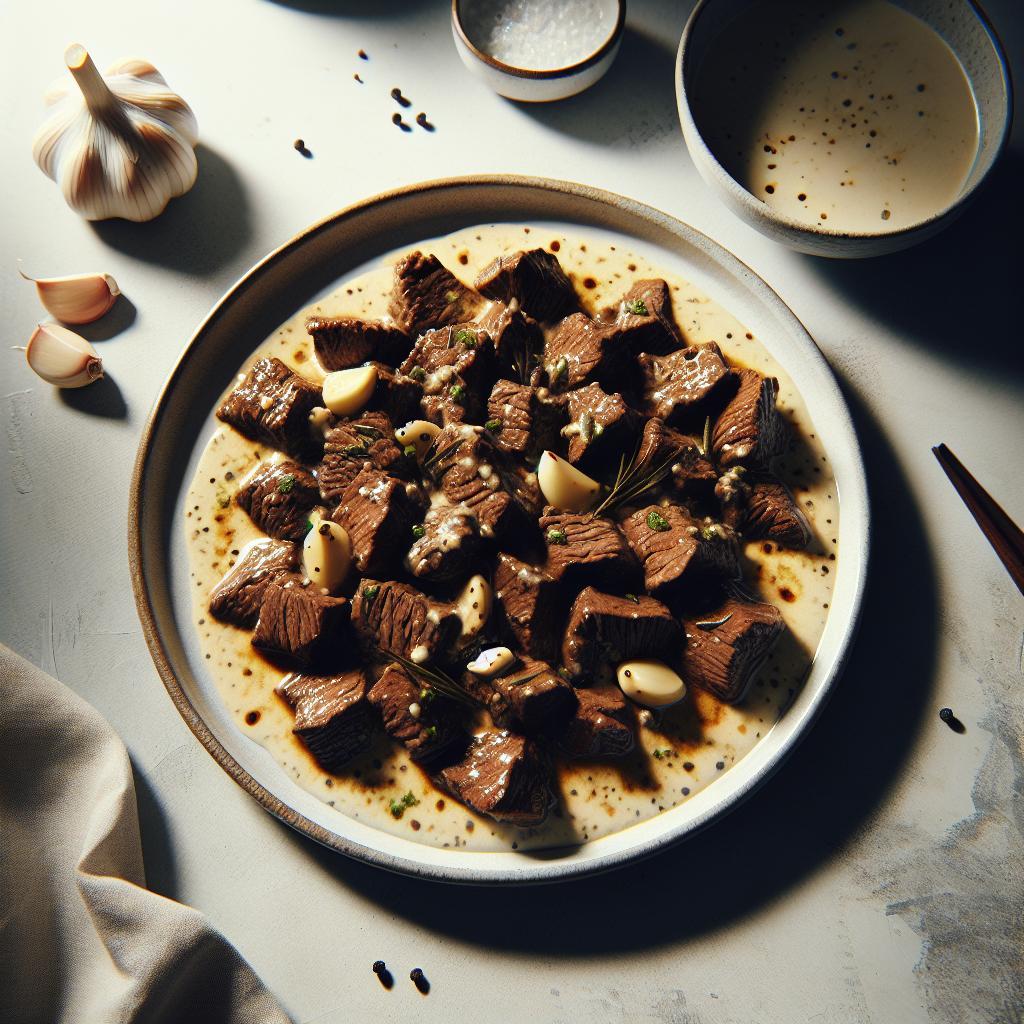

There is something deeply satisfying about garlic fused with well-seared beef. This recipe refines that classic pairing by marrying a silky cream sauce with concentrated garlic flavor and the right beef cut.
The method focuses on fundamental technique: high-heat browning, controlled sauce development, and finishing steps that preserve texture and flavor. Follow each stage deliberately for consistent, restaurant-quality results.
- Key takeaway: Browning builds flavor; don’t crowd the pan.
- Key takeaway: A light roux plus controlled simmer gives a stable, velvety sauce.
- Key takeaway: Choose marbled cuts for tenderness and mouthfeel.
- Key takeaway: Rest meat briefly to preserve juiciness.
Crafting the Perfect Creamy Garlic Sauce to Elevate Your Beef
The sauce relies on three pillars: concentrated garlic, an emulsified dairy phase, and a proper thickening agent. Use fresh garlic for volatile aromatics and quick flavor release; minced or crushed garlic softens quickly when sautéed briefly in butter or oil.
For body and stability, combine cold heavy cream with a cooked flour base or reduction. Cold cream incorporates smoothly and resists splitting when added gradually to a warm, stabilized liquid. See the cream entry for basic composition and how fat percentage affects sauce behavior.
Core Sauce Techniques
Start by sweating garlic briefly to develop sweetness without browning. Then create a light roux to bind fat and liquid, which yields a satin mouthfeel and prevents separation.
Use the roux method or a beurre manié for finishing; both stabilize and thicken while preserving gloss. Whisk constantly when introducing liquid to avoid lumps.
Prep and Cook Time
Plan for about 20 minutes of active prepping and 30 minutes of cooking. Active timing varies with cut thickness and pan size, but these benchmarks fit most home kitchens.
Allow extra time for resting the meat and finishing the sauce. Resting for 5–10 minutes improves texture and redistributes juices.
- Preparation: 20 minutes
- Cooking: 30 minutes
- Total Time: 50 minutes
Ingredients: Select for Flavor and Texture
Ingredient choice determines the final profile. Use marbled cuts—top sirloin, ribeye, or tenderloin—for consistent tenderness and flavor. For background on beef composition, consult the beef reference.
Keep ingredients simple and high quality: fresh garlic, unsalted butter, a neutral oil, heavy cream, and a low-sodium beef stock help you control seasoning precisely.
- Beef: 1.5 lbs top sirloin or ribeye, trimmed and cut into 1-inch strips
- Garlic: 6 cloves, finely minced
- Butter: 3 tbsp unsalted
- Olive oil: 2 tbsp extra-virgin
- All-purpose flour: 2 tbsp, sifted
- Heavy cream: 1 1/2 cups, cold
- Beef broth: 1 cup, low-sodium
- Dijon mustard: 1 tsp for acidity and balance
- Fresh thyme: 1 tsp, finely chopped
- Fresh parsley: 2 tbsp, finely chopped, for garnish
- Salt & pepper: to taste
- Optional: pinch of smoked paprika
Step-by-Step Instructions
Technique beats speed. Work in controlled stages: sear, remove, build sauce, then finish by returning beef to the pan. Each stage requires brief attention for consistent results.
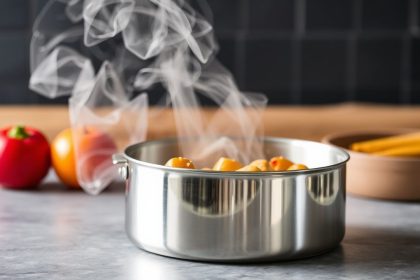
Use a heavy skillet or a stainless steel pan for predictable browning and easy deglazing. Reserve pan juices to enrich the sauce.
- Prepare the beef: Pat meat dry with paper towels. Season generously with salt and freshly cracked black pepper to season to the core.
- Brown in batches: Heat oil over medium-high heat. Add strips without overcrowding. Sear 3–4 minutes per side until deeply caramelized, then transfer to a warm plate.
- Sauté garlic: Reduce heat to medium, melt butter, and add minced garlic. Sauté 1–2 minutes until fragrant, stirring constantly to prevent bitter charring.
- Create the roux: Sprinkle flour into the butter-garlic mixture and whisk for about 2 minutes to cook raw flour taste away while keeping the roux pale.
- Deglaze and build: Gradually whisk in beef broth to lift fond, then add cold heavy cream in a slow stream while whisking to form an emulsion. Stir in Dijon and thyme.
- Simmer and adjust: Simmer gently until sauce thickens to coat the back of a spoon, roughly 5–7 minutes. Taste and adjust salt and pepper.
- Return beef: Add beef with accumulated juices back to the skillet. Warm through for 3–5 minutes to meld flavors without overcooking.
- Finish and serve: Off heat, stir in chopped parsley. Rest briefly, then plate over mashed potatoes, noodles, or rice to capture every drop of sauce.
Tips for Success from a Culinary Professional
Temperature control matters most. High initial heat forms a flavorful crust; lower temperatures during finishing preserve tenderness and prevent curdling of dairy.
Use small batches when searing and keep a warm oven (120°C / 250°F) to hold finished meat if you must. This prevents carryover cooking from drying the protein.
Herbs and acid balance the richness. A teaspoon of Dijon or a small splash of white wine reduces perceived fattiness and sharpens flavors without dominating the profile.
For dairy-free adaptations, substitute coconut cream and a neutral oil, but taste carefully: coconut carries its own aroma that changes the final profile. Adjust herbs and acid to compensate.
Serving Suggestions and Pairing Ideas for an Unforgettable Meal
Serve this beef over creamy mashed potatoes or buttered egg noodles to highlight the sauce. The starch acts as a carrier for the silky cream and captures the pan juices.
Round the plate with lemon-tossed asparagus or roasted Brussels sprouts to introduce a bright counterpoint. Crusty bread also performs well for mopping the pan.
For wine, choose a medium-bodied red that offers moderate tannin and ripe fruit notes to match the sauce’s weight. For non-alcoholic options, a citrus-infused sparkling beverage cuts richness and refreshes the palate.
Explore related resources on our site for advanced techniques, such as luxury beef dinners and a guide to selecting beef cuts to refine your approach to texture and doneness.
| Nutrient | Per Serving |
|---|---|
| Calories | 480 kcal |
| Protein | 38 g |
| Carbohydrates | 8 g |
| Fat | 32 g |

FAQ
Which beef cuts work best for this dish?
Choose marbled cuts such as ribeye or top sirloin for juiciness and flavor. These cuts sear well and stay tender during the brief simmer in sauce.
Can I make the sauce ahead of time?
Yes. Prepare the sauce up to 48 hours in advance and cool rapidly. Reheat gently over low heat, then add freshly cooked beef to preserve texture and temperature control.
How do I prevent the cream from splitting?
Add cold cream slowly while whisking and keep the sauce below a rapid boil. Maintain a gentle simmer to stabilize the emulsion and avoid high heat that causes separation.
What are good side pairings?
Buttery mashed potatoes, garlic-infused noodles, and roasted seasonal vegetables complement the sauce. Acidic or bright sides help balance fat and refresh the palate.
Is there a vegetarian alternative that keeps the same profile?
Replace beef with seared king oyster mushrooms or firm tofu and use vegetable stock in the sauce. Finish with the same technique to achieve a similar savory, creamy texture.
See also: Garlic beef