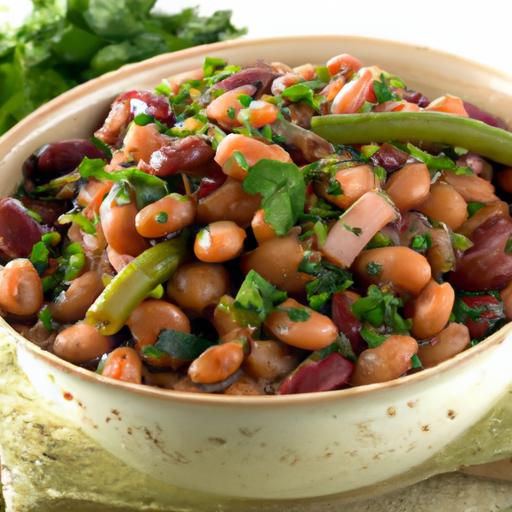

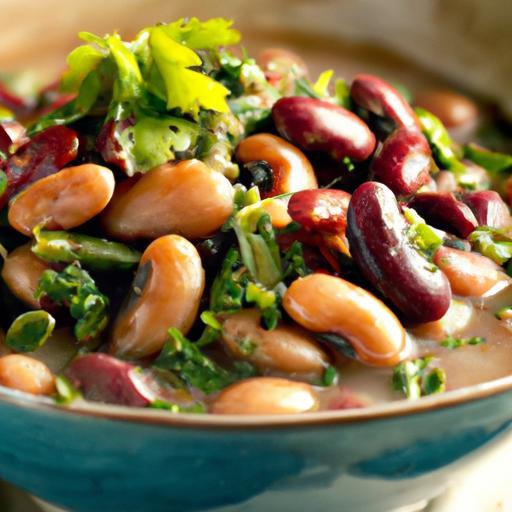

There’s nothing quite as satisfying as biting into a perfectly cooked bean-soft, tender, and full of flavor. Yet, many home cooks find themselves frustrated when their beans stubbornly remain hard, turning what should be a comforting meal into a culinary challenge. If you’ve ever wondered, “Why are my beans still hard?” you’re not alone. Unlocking the secrets to flawlessly soft beans is part science, part technique, and a dash of patience. In this guide, we’ll explore common pitfalls and pro tips to help you transform tough, unyielding beans into melt-in-your-mouth delights every time. Say goodbye to chewy bites and hello to bean bliss!
Why Are My Beans Still Hard? Whether you’re simmering a pot of hearty chili or crafting a creamy bean dip, understanding the nuances of different bean varieties and their cooking needs is key to achieving that perfectly soft texture. As a longtime culinary content creator and food stylist, I’ve discovered that the secret to tender beans lies far beyond just cooking time-it’s about respecting the bean’s nature from selection to serving.
Prep and Cook Time
- Prep Time: 8-12 hours (soaking)
- Cook Time: 45-90 minutes (varies by bean variety)
Yield
4 servings (approximately 2 cups cooked beans)
Difficulty Level
Medium
Ingredients
- 1 cup dried beans (black, kidney, navy, pinto, or chickpeas)
- 4 cups filtered water (for soaking)
- 4 cups filtered water (for cooking)
- 1 teaspoon sea salt (added after beans are tender)
- 1 bay leaf (optional, for flavor)
- 1 tablespoon olive oil (optional, to reduce foam)
Instructions
- Select your bean variety carefully. Different beans like black beans, chickpeas, or kidney beans have unique cooking times and water absorption rates. For example, chickpeas take longer than black beans, so plan accordingly.
- Rinse the beans thoroughly under cold water, removing any debris or damaged beans. This simple step ensures cleaner cooking and better taste.
- Soak the beans in filtered water for 8-12 hours or overnight. Proper soaking hydrates the beans evenly, which reduces cooking time and promotes softness. Avoid using hard tap water for soaking, as minerals can toughen the beans.
- Drain and rinse the soaked beans before cooking to remove residual sugars that cause foaming and indigestion.
- Transfer the beans to a large pot. Add fresh filtered water to cover them by about 2 inches. Add a bay leaf or aromatics if desired, but hold off on salt until the beans are nearly tender.
- Bring to a gentle boil over medium heat, then reduce to a very low simmer. Managing heat is crucial: a vigorous boil can split the beans’ skins and make them mushy on the outside but hard inside.
- Simmer uncovered, stirring occasionally to prevent sticking. Begin checking for tenderness after 45 minutes, but be prepared for cooking times up to 90 minutes depending on the bean type and freshness.
- Add salt and olive oil only once beans are tender. Adding salt earlier can toughen skins. Olive oil helps reduce foam and adds a silky finish.
- Drain or use the cooking liquid based on your recipe’s needs. The liquid contains nutrients and flavor that enhance your dish.
Tips for Success: Mastering Heat Control and Troubleshooting
- Hard water caution: If your tap water is high in calcium or magnesium, try bottled or filtered water. These minerals interfere with softening.
- Beans still hard after cooking? They may be old; beans stored over a year often take much longer or never fully soften. Purchase from reputable sources and check expiration.
- Simmer, don’t boil: Keep the temperature steady at a low simmer. Boiling damages the skins, while insufficient heat prolongs cooking.
- Soaking alternatives: Quick soak by boiling beans for 2 minutes, then letting them rest for an hour. This method softens skins faster without long waits.
- Never add salt early: Salt affects water penetration and toughens beans. Add towards the end of cooking for optimal softness and flavor.
Serving Suggestions
Serve your perfectly tender beans warm tossed with fresh herbs like cilantro or parsley and a drizzle of extra virgin olive oil. They’re the star in vibrant salads, comforting soups, or as a side to richly spiced meats. For extra flavor, garnish with diced red onion, feta cheese, or a sprinkle of smoked paprika. Beans also pair beautifully with grains like quinoa or rice for a wholesome, protein-packed bowl.
| Nutrient | Per 1 Cup Cooked Beans |
|---|---|
| Calories | 220 |
| Protein | 15g |
| Carbohydrates | 40g |
| Fat | 1g |

Curious to learn more about bean nutrition and benefits? Visit Harvard T.H. Chan School of Public Health for expert insights.
For additional inspiration, check out our guide on How to Make Creamy Black Bean Soup to elevate your bean dishes.
Q&A
Q: Why are my beans still hard after cooking?
A: Ah, the classic bean conundrum! Hard beans after cooking usually mean they didn’t absorb enough water or the cooking time was too short. Old beans, insufficient soaking, or very hard water can also stubbornly keep those beans firm as rocks.
Q: How does soaking affect bean softness?
A: Soaking is like a spa day for your beans-it hydrates them, jumpstarting the cooking process. An overnight soak softens the beans internally, cutting down on cooking time and helping them cook evenly. Without soaking, they may remain tough and chewy.
Q: Can the bean’s age cause hardness?
A: Absolutely! Beans lose moisture and nutrients over time, becoming tougher. Older beans can take much longer to soften or may never fully tenderize. Always aim for fresh beans, ideally within a year of purchase.
Q: Does water quality impact how beans cook?
A: Yes! Hard water, rich in minerals like calcium and magnesium, can reinforce the bean’s outer layer, keeping it firm. Using filtered or distilled water, or adding a pinch of baking soda to soften the water, can make a big difference.
Q: How can I fix hard beans once they’re partially cooked?
A: Don’t despair-simply add a pinch of baking soda to the pot and continue simmering. The baking soda raises the pH, breaking down tough fibers. Just be cautious not to add too much, or you might end up with mushy beans and a soapy taste.
Q: Should I add salt during cooking?
A: Salt is a flavor enhancer, not a bean adversary! Contrary to popular myth, adding salt early actually helps the beans soften by strengthening their skins. Just don’t add acidic ingredients like tomatoes or vinegar until the beans are tender-they slow down the cooking.
Q: What cooking methods work best for tender beans?
A: Slow and steady wins the race! Simmer beans gently-rapid boiling can toughen skins. Pressure cookers are magical machines, drastically cutting cook time while delivering soft beans every time.
Q: Any last tips for perfectly soft beans?
A: Patience and preparation, friend. Soak your beans, use fresh beans, cook them slowly with good water, and don’t rush! Your taste buds will thank you with a creamy, dreamy bean feast.
In Conclusion
In the end, achieving perfectly soft beans is less about magic and more about understanding the little quirks of nature’s humble legume. From mindful soaking to the gentle embrace of a patient simmer, each step unlocks the bean’s potential to transform from stubbornly hard to delightfully tender. So next time your beans resist yielding, remember: with a bit of know-how and a splash of care, softness is well within reach-turning every bite into a comforting, nutritious delight. Happy cooking, and may your beans always be blissfully soft!