
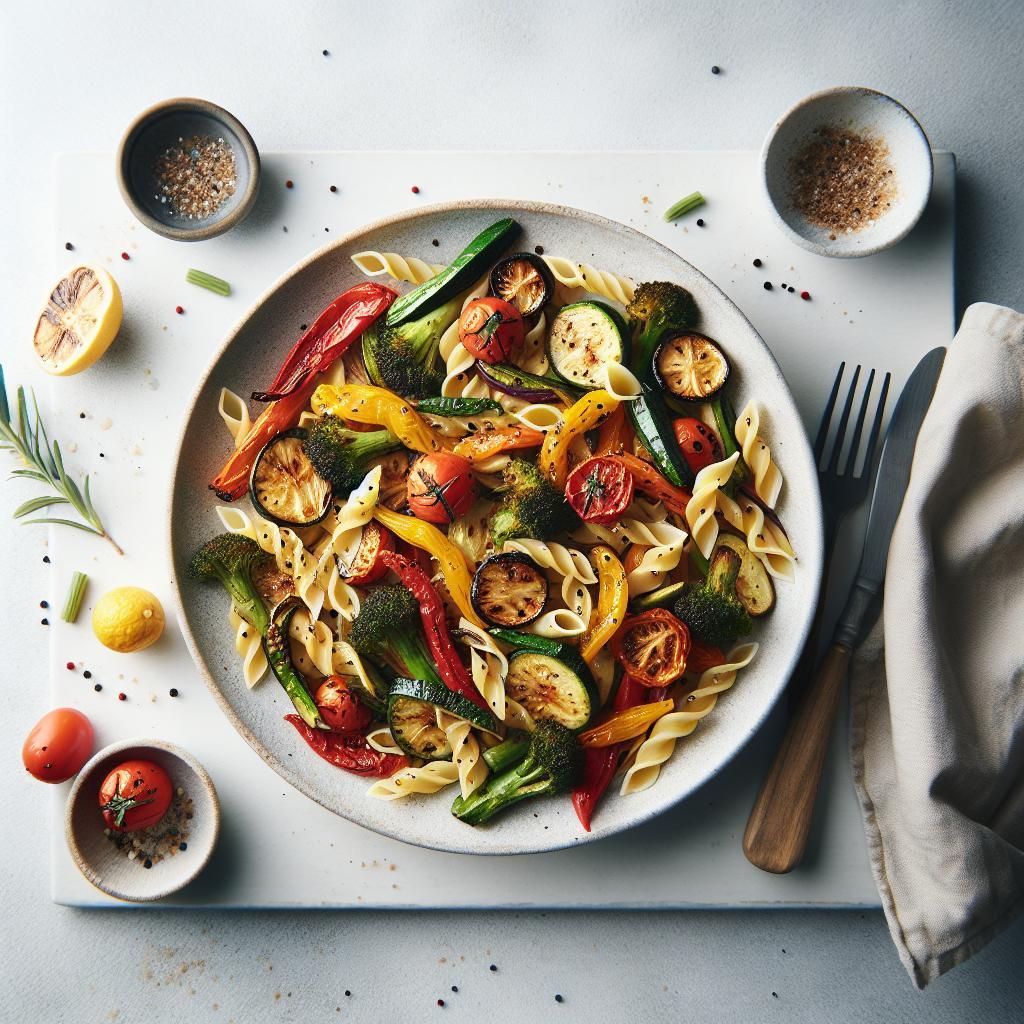

Savor the Flavor: A Guide to Perfect Roasted Vegetable Pasta
Roasted Pasta starts with confident technique: high heat, even cuts, and precise seasoning. When vegetables roast correctly, they develop concentrated sweetness and savory browning that transform a simple pasta into a standout meal.
- Roast at high heat for caramelization without steaming.
- Choose sturdy vegetables that keep shape under dry heat.
- Toss with reserved pasta water to marry sauce and pasta.
This guide uses practical chef methods and tested timings to produce consistent results. I present clear steps, ingredient notes, and variations so you can recreate the dish reliably.
Unlocking the Essence of Roasted Vegetables for Pasta
Roasting concentrates sugars and creates Maillard browning that adds savory depth. Chefs use this dry-heat method to build layers of flavor before finishing a dish with bright acid and fresh herbs.
To understand why roasting works, consult the technique overview on roasting (cooking). It explains the science behind browning and moisture loss that deliver the texture and taste we seek.
Vegetable Selection and Texture
Choose vegetables that tolerate high oven temperatures and keep structure. Bell peppers, zucchini, carrots, eggplant, onions, and mushrooms perform well when cut to uniform sizes.
Root vegetables take slightly longer than tender summer squash; monitor and mix varieties accordingly. Uniform cuts ensure even caramelization and avoid undercooked pieces.
Fat, Salt, and Seasoning
Use a neutral or fruity extra-virgin olive oil to promote browning and carry herbs. Olive oil chemistry supports even heat transfer and flavor release; see olive oil for its culinary properties.
Season early but sparingly. Salt draws moisture and helps surface browning; herbs add aromatic layers. Reserve some finishing salt to adjust at the end.
Prep and Timing
Efficient mise en place makes the roasting and pasta steps flow. Prep all vegetables, measure oil and seasonings, and set a pot of water to boil before you open the oven.
Timing keeps components hot and vibrant. The oven and stove should work together so roasted vegetables finish just as pasta drains and you assemble the final toss.
Prep and Cook Time
Preparation: 15 minutes. Cut vegetables to similar sizes and mince garlic. This reduces variability in roasting time.
Roasting: 20–25 minutes at 425°F / 220°C. Stir once midway to expose edges to direct heat and ensure even browning.
Total Time and Yield
Pasta & assembly: 10 minutes. Reserve 1/2 cup pasta water to adjust sauce viscosity. Toss gently over low heat to marry flavors.
Total: ~50 minutes. Yield: serves 4 generous portions. Scale ingredients proportionally for more servings.
Ingredients
Below are tested ingredient amounts and recommended swaps. Use listed quantities for four servings and adjust salt or cheese to taste.
For a deep-dive on pasta varieties and shapes that pair best with chunky sauces, reference pasta.
- 2 cups cherry tomatoes, halved
- 1 medium red bell pepper, 1-inch pieces
- 1 medium zucchini, sliced
- 1 cup baby carrots, halved lengthwise
- 1 medium red onion, wedges
- 3 tbsp extra-virgin olive oil
- 1 tsp smoked paprika
- 1 tsp dried thyme (or fresh sprigs)
- Salt & black pepper, to taste
- 12 oz dried pasta (penne or fusilli recommended)
- 2 cloves garlic, minced
- 1/4 cup freshly grated Parmesan or Parmigiano-Reggiano (optional)
- Fresh basil, for garnish
Step-by-Step Instructions
Follow these steps to ensure the vegetables roast properly and the pasta finishes with a glossy, cohesive coating.
Work confidently and check textures rather than exact times; ovens vary. Below is a sequence that synchronizes oven and stove work.
Roasting the Vegetables
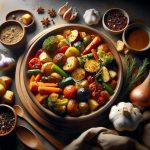
Preheat the oven to 425°F (220°C) and line a baking sheet with parchment. Toss cut vegetables with oil, smoked paprika, thyme, salt, and pepper.
Spread in a single layer with space between pieces. Roast 20–25 minutes, stirring once halfway, until edges brown and interiors are tender.
Cooking the Pasta
Bring a large pot of salted water to a rolling boil and cook pasta to al dente. Follow package timing as a baseline and taste for the desired bite.
Reserve 1/2 cup of pasta water before draining. This starchy liquid will help bind the vegetables and pasta into a cohesive sauce.
Finishing and Assembly
Return the drained pasta to the pot. Add minced garlic, roasted vegetables, and a splash of reserved pasta water. Toss gently over low heat until glossy and combined.
Adjust seasoning and stir in grated Parmesan if using. Serve immediately with basil and a light drizzle of olive oil for shine.
After the warning, take a moment to taste and season. Small adjustments of acid or salt at the end make a big difference.
Tips for Success
Small technique choices determine the final plate quality. Use these targeted tips to refine texture and flavor.
They focus on roast control, herb timing, and smart use of starch for a balanced finish.
Even Roasting
Do not crowd the pan and cut to uniform sizes. This approach prevents steaming and promotes dry-heat browning on all surfaces.
Use a rimmed baking sheet and single layer; tilt the sheet to drain any pooled oil for crisper edges.
Herb and Acid Timing
Add hardy herbs like rosemary before roasting; finish with delicate herbs like basil after tossing. Bright acid—lemon juice or a small splash of balsamic—lifts the flavors just before serving.
Keep finishing acid minimal to avoid flattening roasted flavor. A teaspoon or two is often sufficient for four servings.
Serving, Variations, and Storage
Presentation and side choices affect perceived quality. Serve on shallow bowls so the vegetables sit atop the pasta and look vibrant.
Pair with a crisp green salad and toasted bread for texture contrast. Small additions such as toasted pine nuts add crunch and fat balance.
Protein and Diet Swaps
For added protein, fold in grilled chicken, beans, or crispy tofu. For vegan plates, omit cheese and add nutritional yeast or toasted nuts for umami and texture.
Adjust roasting times for dense vegetables like butternut squash by cutting smaller or starting them first on the sheet.
Storing Leftovers
Store in an airtight container in the refrigerator for up to 3 days. Reheat gently in a skillet with a splash of water or olive oil to revive texture.
Add fresh herbs or a squeeze of lemon after reheating to refresh the dish. Avoid prolonged reheating that breaks down roasted textures.
Nutrition Snapshot
The following values reflect a typical portion using the recipe quantities listed above. Values vary by ingredient brands and portion sizes.
This meal provides a balance of carbohydrates, moderate protein, and healthy fats from olive oil and optional cheese.
| Nutrient | Per Serving |
|---|---|
| Calories | 380 kcal |
| Protein | 12 g |
| Carbohydrates | 55 g |
| Fat | 10 g |
FAQ
What vegetables roast best for this pasta?
Choose vegetables that tolerate high heat and keep structure, such as bell peppers, zucchini, carrots, onions, and mushrooms. Cut to uniform sizes so they cook evenly.
How do I prevent soggy vegetables?
Use a hot oven (425°F/220°C), a single layer on a rimmed sheet, and do not overcrowd. High heat promotes evaporation and crisp edges rather than steaming.
Can I make this ahead for a dinner party?
Yes. Roast the vegetables up to 24 hours in advance and chill. Reheat gently and toss with freshly cooked pasta just before serving to preserve texture.
What pasta shape works best?
Chunky, short shapes like penne, rigatoni, or fusilli trap roasted pieces and sauce. Long strands like spaghetti also work if you prefer a lighter presentation.
How do I adapt this for dietary needs?
For vegan plates, omit cheese and add nutritional yeast or toasted nuts for umami. Use gluten-free pasta if required; cooking time will vary.
For more on vegetable nutrition and plant-based cooking principles, consult the general overview on vegetables. To explore classic cheese-making that informs Parmesan flavor, see Parmigiano-Reggiano.
See also: Roasted Pasta